Tag Archives: pork

Italian Meatballs

Plate of Italian meatballs covered with tomato sauce, parmesan cheese, and basil leaves
A plate of juicy Italian meatballs topped with marinara sauce, parmesan, and fresh basil.

Italian meatballs are a cozy kitchen favorite, packed with tender texture, savory flavor, and the irresistible aroma of herbs and spices. Their straightforward recipe means every ingredient gets a chance to shine. Freshly ground meat creates a juicier, richer bite, while garlic, parsley, and basil bring a lively burst of flavor that dried or packaged versions often miss. Breadcrumbs keep the center light and delicate, and freshly grated Parmigiano-Reggiano adds savory depth with a gentle nutty note. Add a bright sauce of ripe tomatoes, onions, and olive oil, and the ingredients come together like a delicious little orchestra. The result is a meatball that is balanced, flavorful, and unmistakably homemade. Fresh ingredients do more than look appealing: they boost the aroma, improve the texture, and make every bite more satisfying. It is comfort food with personality—and definitely worth getting saucy over!

  • ½ pound of ground pork
  • ½ pound of veal (see Note below regarding meat)
  • ½ pound of ground beef chuck (85% lean)
  • ½ cup of grated Parmesan cheese
  • ¼ cup flat-leaf Italian parsley, finely minced
  • 2 teaspoons of kosher or sea salt
  • ½ cup of grated onion (food processor works great)
  • 3 cloves of garlic, pressed or minced
  • 1 large egg, beaten
  • 1 cup of dried breadcrumbs
  • 1/3 cup of milk
  • ¼ teaspoon black pepper
  • 1/3 cup olive oil for frying. See methods of cooking below

Process

  1. In a large bowl, combine breadcrumbs and milk to rehydrate. Set aside for 5 minutes.
  2. Mix in the meat, egg, Parmesan, parsley, salt, onion, garlic, and mix until well combined.
  3. Shape the meat mixture into golf ball-sized balls. Handle them gently and avoid packing the balls too tightly, as this can make them tough. Arrange the meatballs on a baking tray, then refrigerate them for 1 hour before cooking.

Cooking Methods: 

Method #1: Bake raw meatballs at 350°F for 15 minutes. They are ready when the center is no longer pink, and the internal temperature reaches 160°F.

  • If the meatballs have not reached 160°F, finish cooking them in marinara sauce. This ensures they are fully cooked while adding flavor to both the meatballs and the sauce.

Method #2: Fry the meatballs in olive oil, following the traditional method. Heat two tablespoons of olive oil in a non-stick skillet over medium-high heat. Add half the meatballs and cook for about 6 minutes, turning occasionally, until browned on all sides. Transfer them to a plate. Drain the oil, wipe the skillet clean, and return it to the heat. Add the remaining oil and meatballs. Cook until all the meatballs are evenly browned.

Method #3: Cooking raw meatballs in marinara sauce.

This method is safe if you keep the food gently simmering, check its internal temperature, and cook the meat completely. This method is popular because it is flavorful and convenient.

  • Simmer the marinara gently so it cooks evenly without making the meat tough.
  • Use evenly sized meatballs (about 1.5 inches) for consistent cooking.
  • Avoid undercooking: In sauce, heat transfer is slower than in dry‑heat methods, so cooking times are longer — often 20–30 minutes for even cooking.   Ground beef, pork, or veal meatballs must reach 160°F (71°C) 

Note: Meat: I find that using 85% lean ground beef is the perfect amount of fat. If you do not eat beef, you can substitute ground turkey, ground chicken, venison, or veal. You can also add Italian sausage to the mix for a different flavor note. 

Roasted Pork

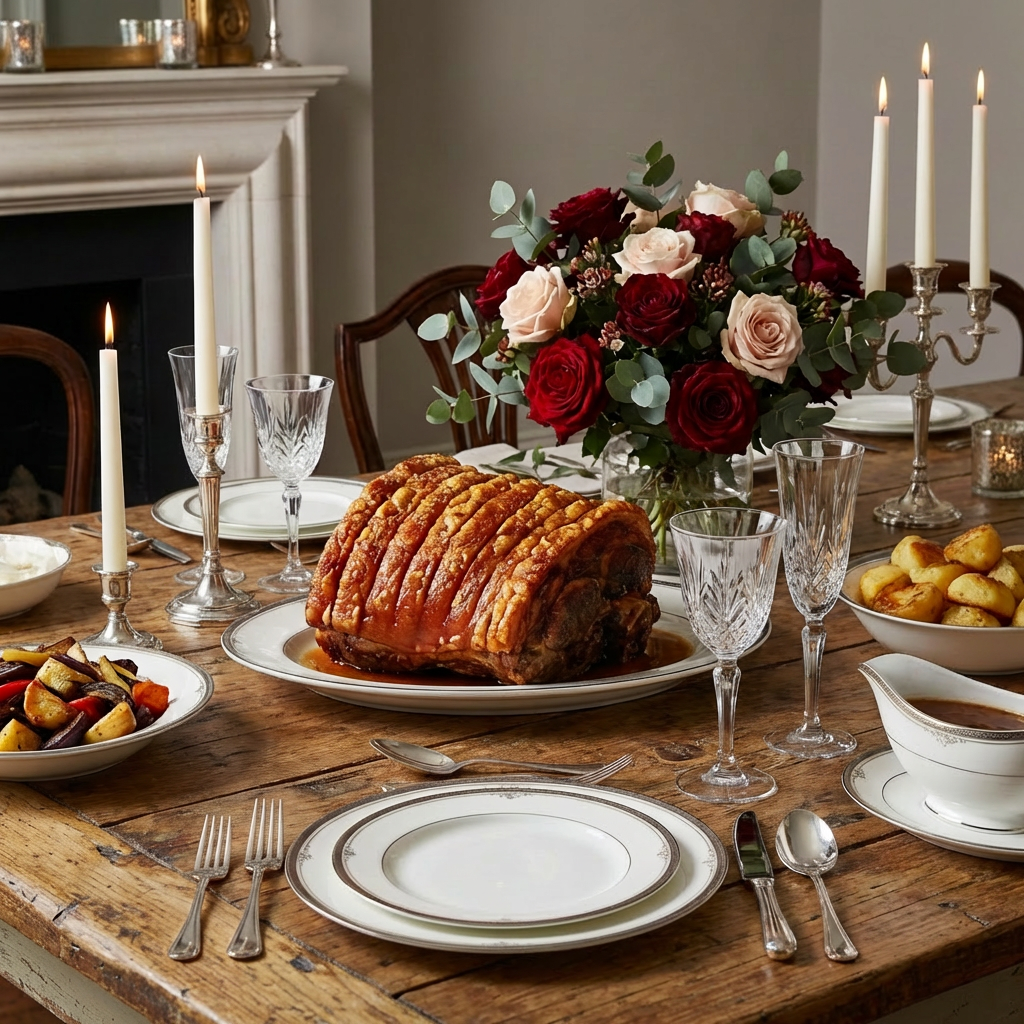
Roast pork with golden crackling on a dining table with flowers, candles, and sides.
A beautifully prepared roast pork dinner serves as the centerpiece of an elegant and festive table setting.

During Easter dinner, the aroma of roasted pork shoulder is both inviting and comforting, filling the room with a warm, savory scent that hints at the rich flavors to come. As the pork cooks, the exterior develops a golden-brown, crispy crust, infused with a blend of herbs and spices such as rosemary, thyme, garlic, and black pepper. This crust releases a tantalizing aroma characterized by hints of caramelization and roasted meat, creating an irresistible smell that stimulates the appetite.

Each bite delivers a satisfying combination of textures and flavors—crispy, tender, savory, and aromatic—making roasted pork shoulder a centerpiece that elevates any Easter celebration. The balance of aroma and taste creates an inviting atmosphere, encouraging guests to indulge and enjoy the festive meal to its fullest.

Ingredients

  • 9-10 lb bone-in Pork Shoulder
    • Bake 1.5 – 2.0 hours per pound in a low heat oven (250° – 275°F.)
    • Will take about 8 – 12 hours to cook
    • It is done when an internal meat thermometer reaches 195 – 205°F. for shredded pulled pork.
    • Or 160°F. for slicing.

Seasoning

  • 2 tablespoons coarse salt to season overnight
  • 4 – 6 garlic cloves
  • 1 tablespoon coarse salt
  • ½ tablespoon fresh cracked peppercorns
  • 1-1/2 tablespoon ground mustard
  • 1-1/2 tablespoon onion powder
  • 3 tablespoons of minced fresh rosemary

Process

  1. Rub the pork shoulder with 2 tablespoons of coarse salt all over, tie it, wrap it air-tight with cellophane, place in a sheet pan or roasting dish, and refrigerate overnight.
  2. Pull the pork out of the refrigerator about 30 minutes before cooking to bring to room temperature.
  3. Preheat the oven to 450°F. line the bottom of a roasting pan with aluminum foil for easy clean up and fit a roasting rack inside the pan.
  4. Cut each garlic clove into slivers. With a small knife poke holes in the pork that are about ½ inch deep (or the length of the garlic clove) to create slits and push the garlic sliver into each slit.
  5. Mix the seasoning together and rub into the pork shoulder, seasoning on all sides.
  6. Place the seasoned pork onto the roasting rack in the pan.
  7. Place the pan into the oven and let it roast for 15 minutes at 450°.
  8. Lower the heat to 275°F.  and let it slowly cook until it reaches the tender internal temperature of 200 – 203°F. internal temperature.
  9. Pull pork out of the oven, tent with aluminum foil and let rest for 1/2 hour up to 1 hour.
Roasted Pork Shoulder

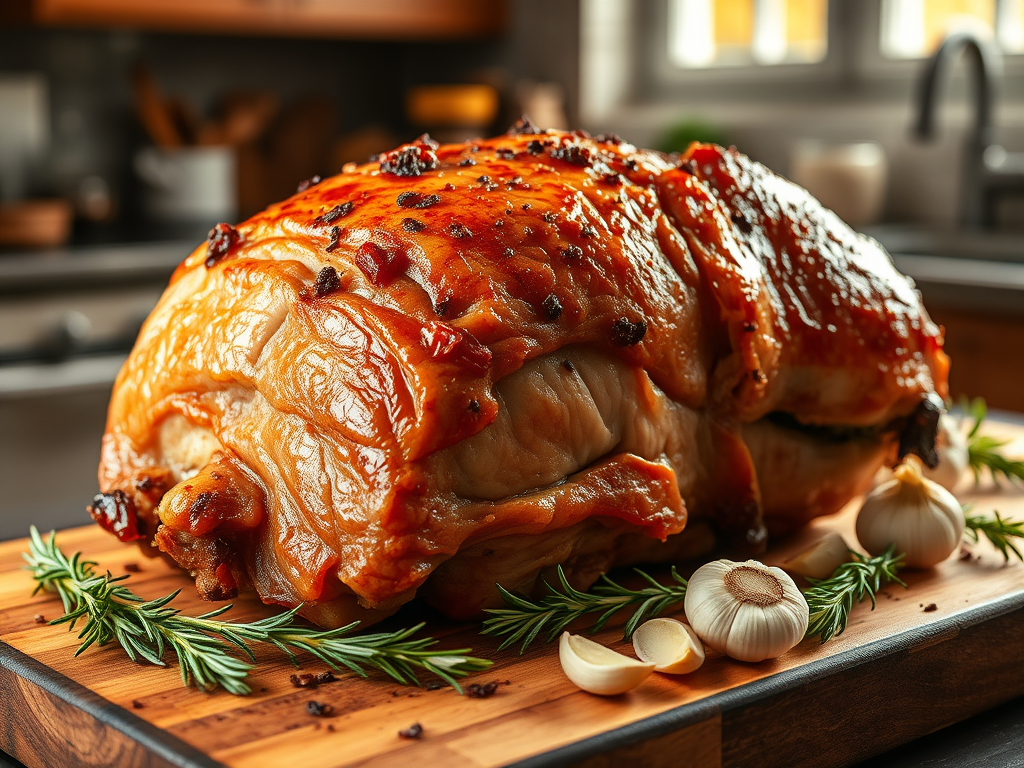
Tender Roasted Pork Shoulder
Roasted Pork Shoulder

The Pennsylvania Dutch started the tradition of eating pork and sauerkraut on New Year’s Day. This tradition is linked to hopes for good luck and prosperity in the coming year.

Eating sauerkraut on New Year’s Eve is a common practice in Germany. People believe that eating sauerkraut will bring blessings and wealth. Before the meal, people at the table wish each other good fortune and money, symbolized by the amount of shredded cabbage in the dish. The pig is also a symbol of good luck and well-being. Many believe that eating pork will bring luck for the new year. The pig is seen as a symbol of looking forward because it cannot turn its head from side to side or look behind. Instead, it faces forward, reminding us to focus on future opportunities rather than past events.

Ingredients

  • 9-10 lb bone-in Pork Shoulder
    • Bake 1.5 – 2.0 hours per pound in a low heat oven (250° – 275°F.)
    • Will take about 8 – 12 hours to cook
    • It is done when an internal meat thermometer reaches 195 – 205°F. for shredded pulled pork.
    • Or 160°F. for slicing.

Seasoning

  • 2 tablespoons coarse salt to season overnight
  • 4 – 6 garlic cloves
  • 1 tablespoon coarse salt
  • ½ tablespoon fresh cracked peppercorns
  • 1-1/2 tablespoon ground mustard
  • 1-1/2 tablespoon onion powder
  • 3 tablespoons of minced fresh rosemary

Process

  1. Rub the pork shoulder with 2 tablespoons of coarse salt all over, tie it, wrap it air-tight with cellophane, place in a sheet pan or roasting dish, and refrigerate overnight.
  2. Pull the pork out of the refrigerator about 30 minutes before cooking to bring to room temperature.
  3. Preheat the oven to 450°F. line the bottom of a roasting pan with aluminum foil for easy clean up and fit a roasting rack inside the pan.
  4. Cut each garlic clove into slivers. With a small knife poke holes in the pork that are about ½ inch deep (or the length of the garlic clove) to create slits and push the garlic sliver into each slit.
  5. Mix the seasoning together and rub into the pork shoulder, seasoning on all sides.
  6. Place the seasoned pork onto the roasting rack in the pan.
  7. Place the pan into the oven and let it roast for 15 minutes at 450°.
  8. Lower the heat to 275°F.  and let it slowly cook until it reaches the tender internal temperature of 200 – 203°F. internal temperature.
  9. Pull pork out of the oven, tent with aluminum foil and let rest for 1/2 hour up to 1 hour.
Cooking a City Ham for the Holidays

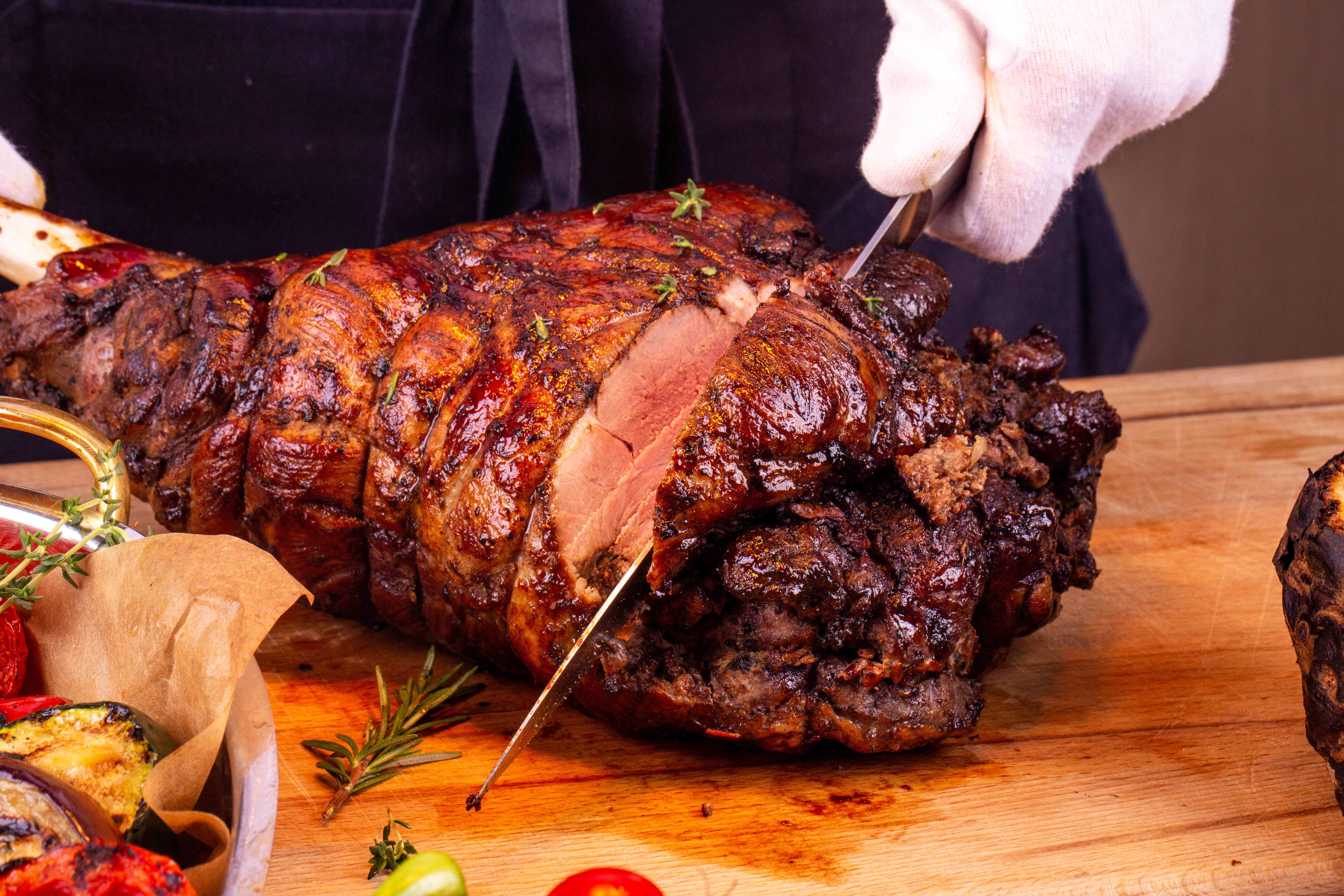
The main difference between city ham and country ham is how they are cured. Country hams are dried and cured with salt and seasonings over several months. This slow process makes them saltier and gives them a strong, unique flavor. They tend to be dry and are best sliced very thin, like prosciutto. City hams are soaked in a salty water solution for a shorter time, which keeps them moist and tender. They are milder in flavor and can be sliced thicker. The curing method affects the taste, texture, and how each ham is served. Country ham has a salty, intense flavor and is good for appetizers or charcuterie boards. It is often used in small slices. City ham is more versatile, suitable for sandwiches, main dishes, or breakfast. It has a milder taste and is easier to slice in thicker pieces. When choosing between the two, consider the flavor you want and how you plan to serve the ham. Both types are popular and can be the main part of a meal. Proper preparation can make either type of ham more enjoyable for different occasions.

Applying a glaze to your ham during the final stages of cooking enhances its appearance and flavor, resulting in a caramelized, lightly crisp exterior. It is important to time the glazing appropriately; applying it too early, especially during prolonged cooking, can lead to burning and an undesirable burnt glaze.

Ingredients

  • 1 city style (brined) ham, hock end
  • ¼ cup brown mustard
  • 2 cups dark brown sugar
  • 1-ounce bourbon (poured into a spritz bottle)
  • 2 cups of crushed ginger snap cookies

Directions

  1. Heat oven to 250°F.
  2. Remove ham from bag, rinse and drain thoroughly. Place ham, cut side down, in a roasting pan. Using a small parting knife score the ham from bottom to top, spiraling clockwise as you cut. Be careful to only cut through the skin and first few layers of fat. The aim is to create a diamond pattern all over the ham.
  3. Tent the ham with heavy duty foil, cook for 3 to 4 hours or until the internal temperature at the deepest part of the meat registers 130°F.
  4. Remove ham from oven and remove the aluminum foil. Using tongs, pull away the diamonds of skin and any sheets of fat that come off with them.
  5. Heat oven to 350° F.
  6. Dab the ham dry with paper towels and then brush on a liberal coat of mustard, using a basting brush. Sprinkle on the brown sugar, packing loosely as you go until the ham is coated. Spritz this layer lightly with bourbon, then loosely pack on as much of the cookie crumbs as you can.

Insert the thermometer and cook until the interior temperature reaches 140°F. approximately one hour.

Let the ham rest outside of the oven for ½ hour before slicing.