Tag Archives: sauce

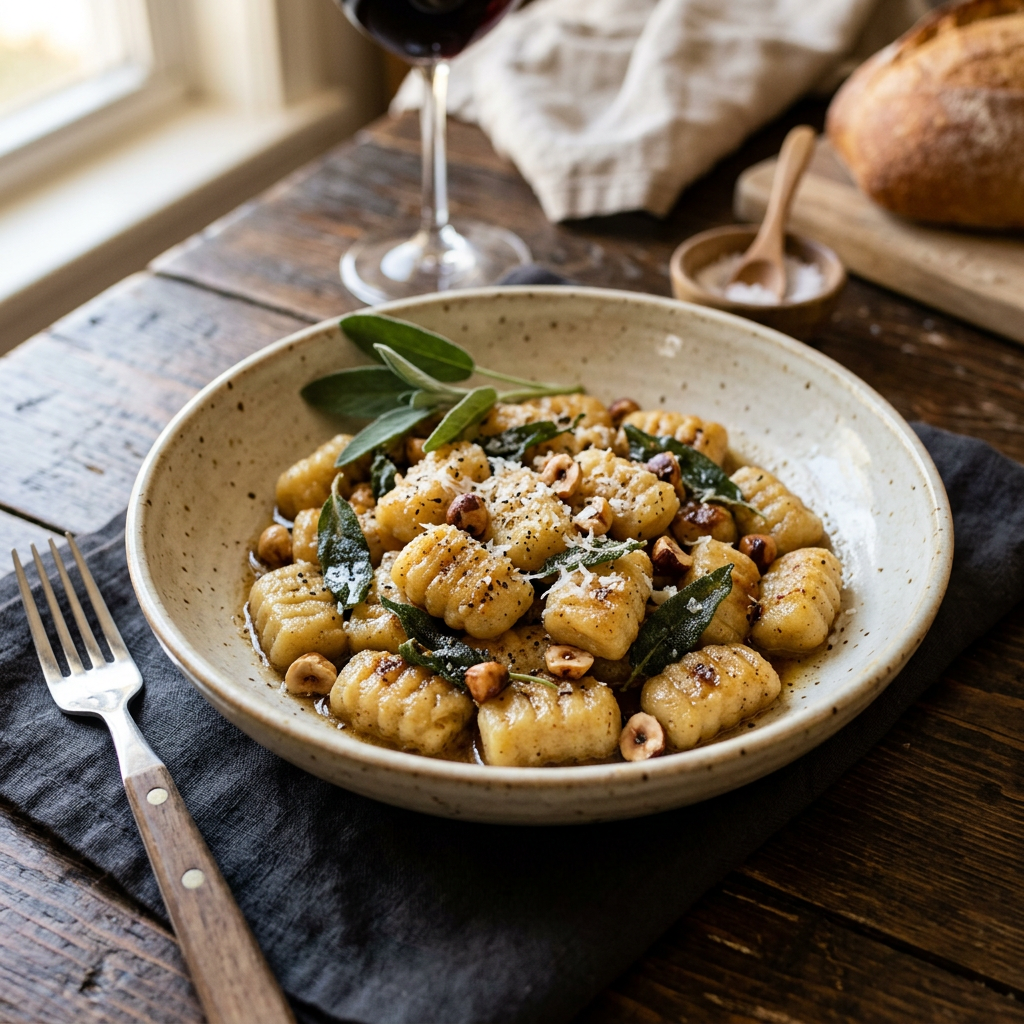
Gnocchi with Brown Butter Sage Sauce

Gnocchi with brown butter sage sauce
Delicious gnocchi topped with crispy Sage & Brown Butter sauce

Sumptuously tender and feather-light, gnocchi are Italy’s most indulgent little dumplings—delicately fashioned from silken potato, fine flour, and egg, then poached until they rise like clouds. Each velvety morsel becomes an exquisite canvas for truffle-scented cream, sage-kissed brown butter, vibrant pesto, or a deeply simmered tomato sauce, finished with a snowfall of aged Parmigiano-Reggiano. Luxurious yet soulful, handmade gnocchi transform humble ingredients into an elegant expression of Italian comfort.

Brown butter sage sauce recipe follows; prepare ahead if desired. See steps below for easy reheating.

Ingredients

  • 1-3/4 to 2 pounds of potatoes (about 5 medium). Do not peel potatoes. Use starchy potatoes, such as russets or Yukon Gold
  • ½ cup freshly grated Parmesan cheese
  • 1-1/2 teaspoons of salt
  • ¼ teaspoon black pepper
  • ¼ teaspoon of ground nutmeg (fresh if possible)
  • 1 large egg yolk, beaten with a fork (save white for another recipe)
  • 1 cup (or more) all-purpose flour
  • 2 tablespoons of butter for sautéing

Process

  1. Cover potatoes with at least 1″ of salted water and boil potatoes whole for about 20 – 25 minutes or longer. Potatoes should be fork-tender. Transfer to a large bowl. Cool slightly about 10 minutes.
  2. When cool enough to handle, peel potatoes and cut into chunks.
  3. Mash potatoes until smooth.
  4. Mix in Parmesan cheese, salt, pepper, and nutmeg.
  5. Add egg yolk and mix until blended.
  6. Slowly add 1 cup of flour. Knead for about 2 minutes until the dough is smooth. If it feels too sticky, add more flour, one tablespoon at a time.
  7. Line a rimmed baking sheet with parchment.
  8. Bring a large pot of salted water to a boil.
  9. Divide dough into 4 equal pieces.  Roll 1 piece on a lightly floured surface into a 24-inch-long rope.
  10. Cut the ropes into 3/4-inch (2 cm) pieces. Press each piece lightly against the tines of a fork to form ridges; don’t press too hard. Lightly dust with flour and toss so pieces don’t stick together. Repeat with the remaining dough. Let the gnocchi rest 20 minutes before boiling.
  11. Melt two tablespoons of butter in a large skillet. Set aside until gnocchi are ready to be sautéed.
  12. Spoon gnocchi into the large pot of boiling salted water until they float to the surface; boil for 1 minute longer.
  13. With a slotted spoon, transfer gnocchi to skillet with melted butter. Sauté all gnocchi over medium-low heat until they begin to brown, stirring occasionally for about 5 minutes.
  14. Optional: Sprinkle with chopped walnuts.
  15. Cover with your favorite sauce and serve.

Sage Brown Butter Sauce

Ingredients

  • ½ cup of butter
  • 1/3 cup thinly sliced fresh sage leaves, see Tip below
  • 1-1/2 teaspoons finely grated lemon peel

Process

  1. Cook butter in a medium skillet over medium-low heat until it starts to brown, about 4 minutes. Stay nearby and stir or move the butter with a spatula so it browns evenly and becomes golden brown. Watch closely to avoid burning the butter.
  2. Add sage leaves and lemon peel. Remove from heat.
  3. Season with salt and pepper. Set sauce aside until ready to use.

Tip

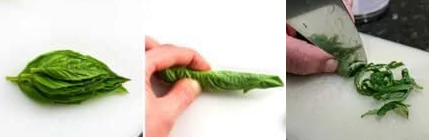
  1. Remove the stems by cutting the leaves from the stem.
  2. Stack the leaves with the largest leaf at the bottom and the smallest at the top. Align the leaves.
  3. Roll the leaves tightly to create a cylinder.
  4. Slice with a sharp knife into thin, even ribbons. Aim for consistent thickness. Use the ribbons right away.
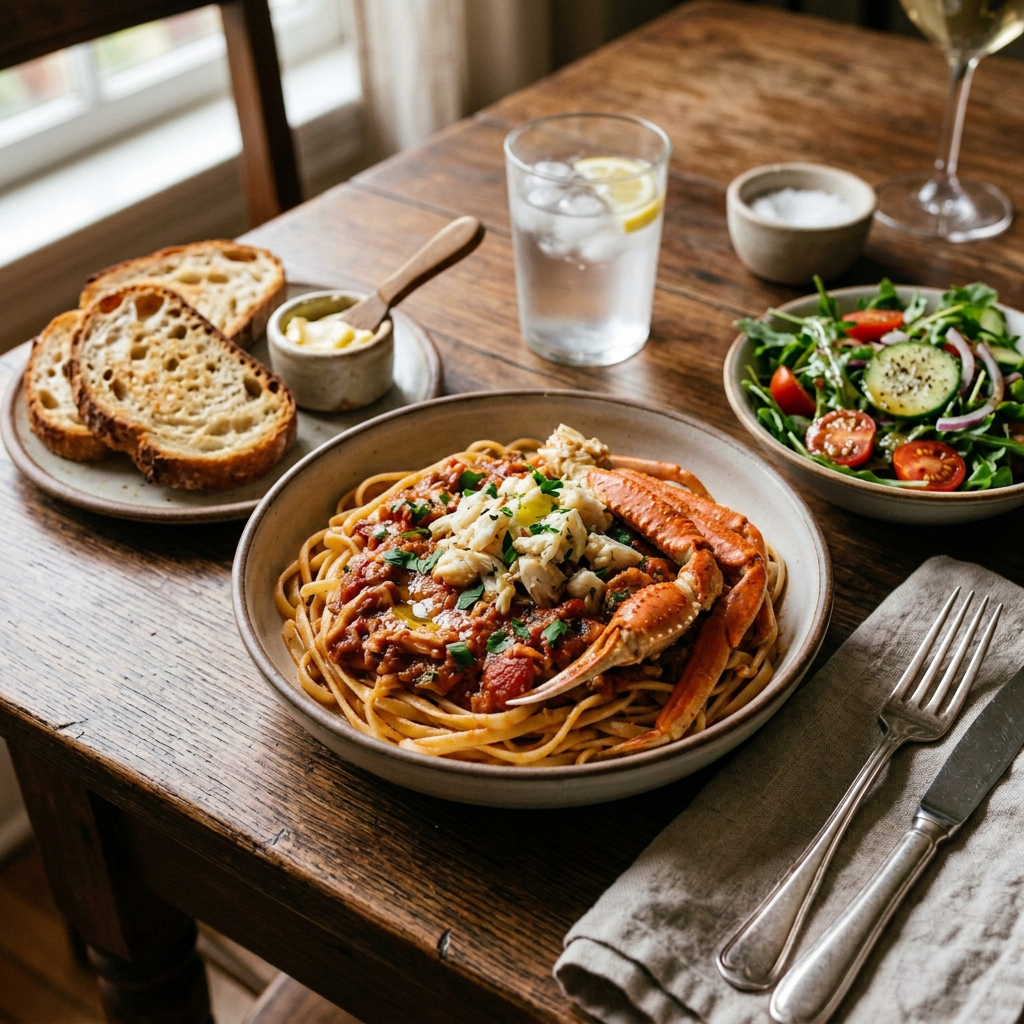
Crab Sauce

A bowl of pasta topped with tomato and seafood sauce next to a salad with cucumber and cherry tomatoes and a plate of sliced bread
A hearty plate of pasta with crab gravy

Summer memories simmer to life in this luscious crab sauce tossed with pasta. My mom nestled tender, sweet crab legs into the rich tomato gravy, letting them infuse every spoonful with briny flavor as an irresistible aroma filled the house. With crab season here in Virginia and crab legs in abundance, there’s no better time to share this cozy, crave-worthy family recipe. Twirl up a forkful, crack into the juicy crab, and enjoy!

Ingredients

  • ¼ cup olive oil
  • 1 cup of yellow onion, finely chopped
  • 2 ounces anchovies, + their oil
  • 6 garlic cloves, thinly sliced
  • ¼ teaspoon red pepper flakes
  • 2 cans of whole peeled tomatoes (two 28-ounce cans)
  • 1 6-ounce can of tomato paste
  • Salt and black pepper to taste
  • 1 small bunch fresh basil, roll leaves together and slice into ribbons
  • One pound of spaghetti or linguine.
  • 3 pounds Dungeness crab clusters or king crab legs, clean under cold running water
  • Extra basil and olive oil for serving (optional)

Process

  1. Heat olive oil in a large, heavy-bottomed pot over medium-high heat.
  2. In a large, heavy-bottomed saucepan or Dutch oven, heat the olive oil over medium-low heat. Add the onions, garlic, anchovies, and crushed red pepper. Cook the mixture until the onions and garlic become soft and begin to brown. At this stage, the anchovies should have completely dissolved into the oil.
  3. Add the tomatoes and crush them by hand as you place them in the pot. Alternatively, break them apart with a wooden spoon. Add a generous pinch of salt, then bring the mixture to a simmer.
  4. Nestle the crab legs into the gravy. Cover the pot and reduce the heat to low.
  5. Simmer for 1½ to 2 hours, stirring occasionally. Keep the crabs covered by the gravy during cooking; the gravy will develop a richer flavor and a pleasant, briny sweetness.
  6. During the final 10 minutes, add the basil leaves. Taste the gravy and adjust the salt if necessary. For a thicker gravy, stir in tomato paste until it dissolves completely.
  7. Meanwhile, boil the pasta in salted water according to package directions. Drain and set aside. Do NOT rinse.
  8. Serve the pasta with crab gravy, arranging the crabs on a platter beside it or on top. Drizzle with a little extra olive oil. Add a few more basil leaves, if desired, before serving.

10/2026

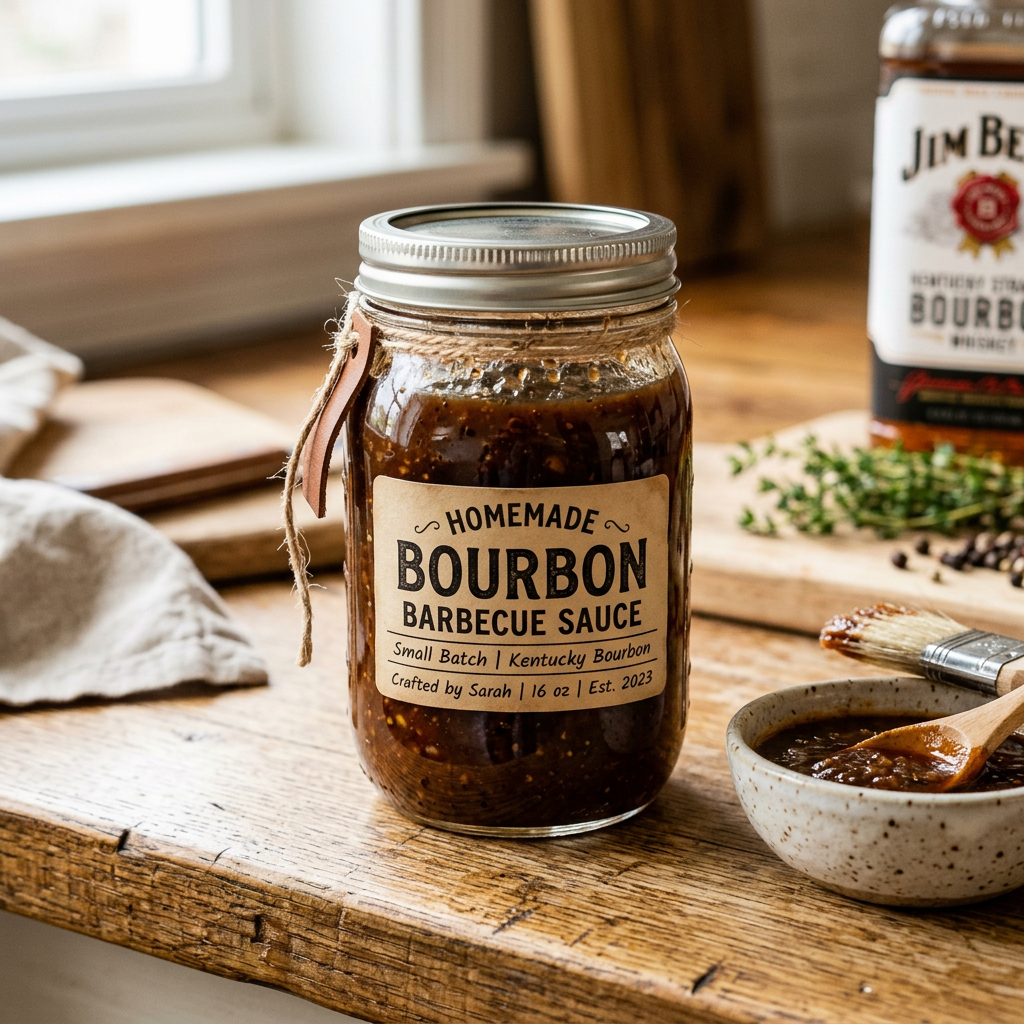
Bourbon Barbecue Sauce

Jar of homemade bourbon barbecue sauce labeled with small batch Kentucky bourbon
A jar of homemade bourbon barbecue sauce

Imagine a sauce so delicious it turns any grilled or smoked meat into a flavor explosion! Homemade bourbon barbecue sauce is your secret weapon for summer cookouts, family feasts, or just a fun night in. Made with simple ingredients, it blends the smoky richness of traditional barbecue with the sweet, caramel kick of bourbon—creating a taste that’s both complex and irresistible. Best of all, you get to be the chef, choosing fresh, natural ingredients instead of store-bought versions filled with preservatives. This sauce is super easy to whip up and perfect for adding a special touch to chicken, pork, beef, or even veggies. Its rich, smoky, and slightly sweet flavor makes every bite memorable. Whether you’re a barbecue pro or just love good food, this homemade bourbon sauce will quickly become your go-to for turning ordinary meals into extraordinary ones. Get ready to impress your friends and family with your culinary skills and a splash of bourbon magic!

Ingredients

  • 2 cups of ketchup
  • 4 tablespoons Worcestershire sauce
  • 3/4 cup Bourbon
  • 1/4 cup strong coffee
  • 4 tablespoons soy sauce
  • 1 tablespoon spicy brown mustard
  • 1 cup packed brown sugar
  • 1/2 teaspoon cayenne pepper (less if you don’t like spicy, more if you like hot)
  • 4 tablespoons cider vinegar
  • 1 tablespoon Tabasco sauce (optional if you don’t like hot)

Directions

  1. In a medium saucepan, combine all ingredients.
  2. Bring to a boil over high heat, stirring occasionally.
  3. Reduce the heat to low. Simmer for ½ hour, stirring occasionally until thickened.
  4. Store in refrigerator.

Leg of Lamb – reversed seared with Mint Chimichurri

Roasted leg of lamb on a wooden board with potatoes, carrots, mint sauce, and red wine.
Enjoy a classic Sunday roast with this beautifully cooked leg of lamb served with mint sauce and wine.

The reverse searing technique has become popular among chefs and home cooks because it improves meat texture, especially for a leg of lamb. This method involves cooking the meat slowly at a low temperature first, then finishing with a high-temperature sear. When used on lamb, reverse searing makes the meat more tender, evenly cooked, and flavorful. The final sear creates a tasty crust through the Maillard reaction, adding flavor without overcooking the inside. Since the meat is cooked evenly beforehand, the crust forms without drying out the meat.

Historically, mint has been paired with lamb due to cultural traditions. Instead of traditional mint jelly or fresh mint, try Mint Chimichurri—a vibrant herb sauce made with mint, parsley, jalapeño peppers, garlic, olive oil, honey, and vinegar. This sauce enhances lamb’s flavor with its herbaceous, tangy, and slightly spicy notes. It also pairs well with fresh vegetables, adding a bright, fresh taste that complement rich meats and enhances the overall dining experience. Recipe below

Ingredients

Meat Rub

  • 1/4 cup of fresh rosemary leaves, chopped
  • 1 tablespoon fresh thyme leaves
  • 3 teaspoons of kosher salt
  • 1 teaspoon black pepper
  • 2 Tablespoons of Dijon mustard (optional)
  • ¼ cup extra-virgin olive oil
  • Bone-in leg of lamb, between 5 and 7 pounds

Process

  1. Set a wire rack inside of a half sheet pan. Set the lamb on the wire rack.
  2. In a small bowl, stir to combine the oil, mustard, chopped fresh rosemary leaves, fresh thyme leaves, freshly ground black pepper, and kosher salt.
  3. Rub this mixture all over the lamb leg, making sure to get the underside of the meat.
  4. Let the lamb sit at room temperature uncovered for one hour.
  5. About 15 minutes before the hour is up, preheat the oven to 250℉.
  6. Place the lamb in the oven and cook for 90 minutes to 2 hours, adjusting time based on the size of the leg and preferred donenes.
  7. Around the 90-minute mark, begin checking the lamb with an instant-read or meat thermometer inserted into the thickest part of the meat (make sure the thermometer does not touch the bone).
  8. When the internal temperature is about 5 degrees below your target doneness (see notes below), remove the roast from the oven and let rest for 30 minutes at room temperature.
  9. While the lamb rests, increase the oven temperature as high as it will go, ideally 500℉. If your oven has a convection feature, turn that on too.
  10. Place the lamb back in the oven for about 5 minutes to brown the exterior. Turn the oven light on and watch through the glass to ensure the outside doesn’t get too brown (and to make sure things don’t get too smoky).
  11. The lamb is cooked when the skin starts to peel and crackle like bacon in a pan.
  12. Remove the lamb, then slice and serve right away. No need to rest again. Enjoy!

Internal temperatures for bone-in leg of lamb:

  • Rare: 125°F. – approximately 10 minutes per pound
  • Medium-rare: 130-135°F. – approximately 15 minutes per pound
  • Medium: 135-140°F. – approximately 20 minutes per pound
  • Well-done: 155-160°F. – approximately 25 minutes per pound

Mint Chimichurri

Ingredients

  • 1 cup of mint leaves, tightly packed
  • 1 cup flat-leaf parsley leaves, tightly packed
  • 3 cloves garlic
  • 2 small jalapeño peppers, seeded and roughly chopped
  • 2 tablespoons of honey (optional, balances the heat of the peppers)
  • 2 tablespoons of red wine vinegar
  • 1 tsp. salt
  • 1/3 – ½ cup extra-virgin olive oil

Process

  1. Finely chop the mint and parsley by hand for a rustic texture and add the rest of the ingredients, mix well.  Or use a food processor for convenience.
  2. If using a food processor, add the herbs with garlic, wine vinegar, honey, salt and jalapeno peppers.
  3. With the motor running, pour in the olive oil in a steady stream.
  4. Scrape the sides and pulse a few more times until the mixture is smooth and easy to spoon, with a loose consistency.
  5. Let the sauce sit at room temperature for 10 minutes to blend the flavors.