Tag Archives: dinner

Roasted Pork

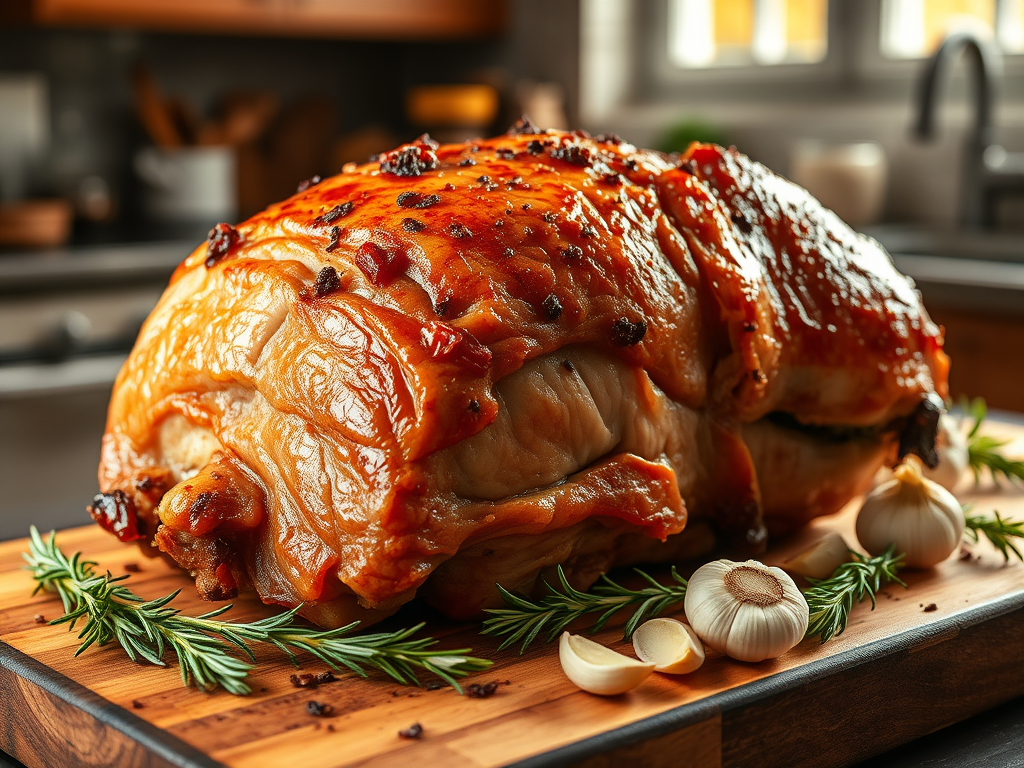
Tender Roasted Pork Shoulder
Roasted Pork Shoulder

During Easter dinner, the aroma of roasted pork shoulder is both inviting and comforting, filling the room with a warm, savory scent that hints at the rich flavors to come. As the pork cooks, the exterior develops a golden-brown, crispy crust, infused with a blend of herbs and spices such as rosemary, thyme, garlic, and black pepper. This crust releases a tantalizing aroma characterized by hints of caramelization and roasted meat, creating an irresistible smell that stimulates the appetite.

Each bite delivers a satisfying combination of textures and flavors—crispy, tender, savory, and aromatic—making roasted pork shoulder a centerpiece that elevates any Easter celebration. The balance of aroma and taste creates an inviting atmosphere, encouraging guests to indulge and enjoy the festive meal to its fullest.

Ingredients

  • 9-10 lb bone-in Pork Shoulder
    • Bake 1.5 – 2.0 hours per pound in a low heat oven (250° – 275°F.)
    • Will take about 8 – 12 hours to cook
    • It is done when an internal meat thermometer reaches 195 – 205°F. for shredded pulled pork.
    • Or 160°F. for slicing.

Seasoning

  • 2 tablespoons coarse salt to season overnight
  • 4 – 6 garlic cloves
  • 1 tablespoon coarse salt
  • ½ tablespoon fresh cracked peppercorns
  • 1-1/2 tablespoon ground mustard
  • 1-1/2 tablespoon onion powder
  • 3 tablespoons of minced fresh rosemary

Process

  1. Rub the pork shoulder with 2 tablespoons of coarse salt all over, tie it, wrap it air-tight with cellophane, place in a sheet pan or roasting dish, and refrigerate overnight.
  2. Pull the pork out of the refrigerator about 30 minutes before cooking to bring to room temperature.
  3. Preheat the oven to 450°F. line the bottom of a roasting pan with aluminum foil for easy clean up and fit a roasting rack inside the pan.
  4. Cut each garlic clove into slivers. With a small knife poke holes in the pork that are about ½ inch deep (or the length of the garlic clove) to create slits and push the garlic sliver into each slit.
  5. Mix the seasoning together and rub into the pork shoulder, seasoning on all sides.
  6. Place the seasoned pork onto the roasting rack in the pan.
  7. Place the pan into the oven and let it roast for 15 minutes at 450°.
  8. Lower the heat to 275°F.  and let it slowly cook until it reaches the tender internal temperature of 200 – 203°F. internal temperature.
  9. Pull pork out of the oven, tent with aluminum foil and let rest for 1/2 hour up to 1 hour.
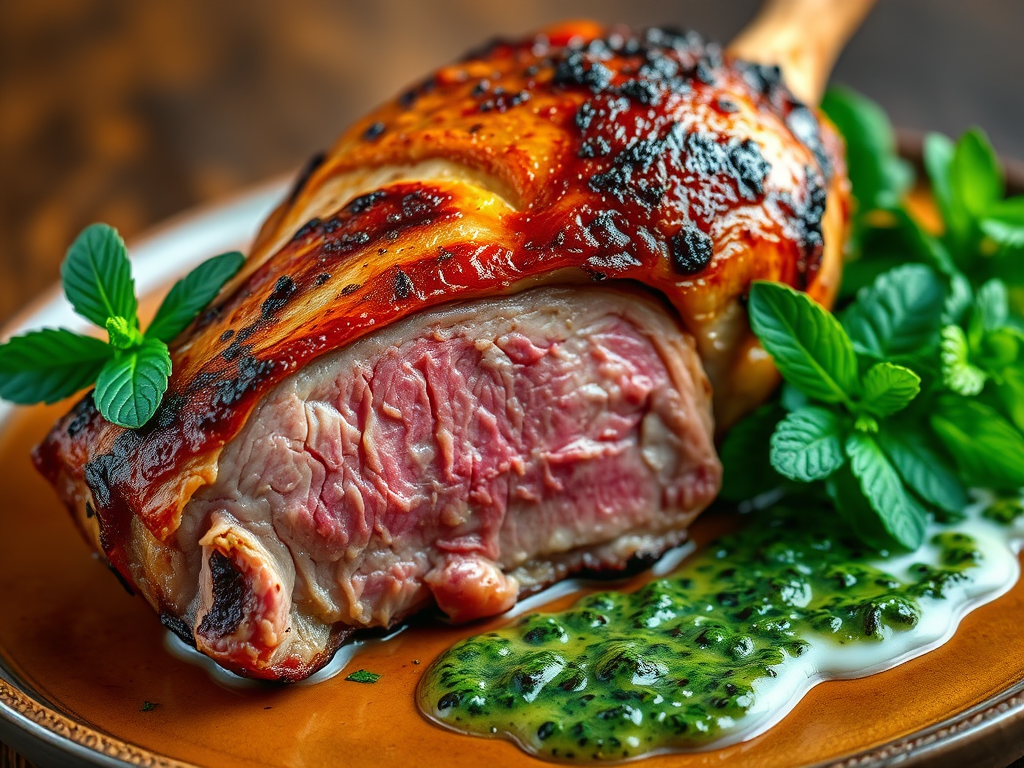
Leg of Lamb – reversed seared with Mint Chimichurri

The reverse searing technique has become popular among chefs and home cooks because it improves meat texture, especially for a leg of lamb. This method involves cooking the meat slowly at a low temperature first, then finishing with a high-temperature sear. When used on lamb, reverse searing makes the meat more tender, evenly cooked, and flavorful. The final sear creates a tasty crust through the Maillard reaction, adding flavor without overcooking the inside. Since the meat is cooked evenly beforehand, the crust forms without drying out the meat.

Historically, mint has been paired with lamb due to cultural traditions. Instead of traditional mint jelly or fresh mint, try Mint Chimichurri—a vibrant herb sauce made with mint, parsley, jalapeño peppers, garlic, olive oil, honey, and vinegar. This sauce enhances lamb’s flavor with its herbaceous, tangy, and slightly spicy notes. It also pairs well with fresh vegetables, adding a bright, fresh taste that complement rich meats and enhances the overall dining experience. Recipe below

Ingredients

    Meat Rub

  • 1/4 cup of fresh rosemary leaves, chopped
  • 1 tablespoon fresh thyme leaves
  • 3 teaspoons of kosher salt
  • 1 teaspoon black pepper
  • 2 Tablespoons of Dijon mustard (optional)
  • ¼ cup extra-virgin olive oil
  • Bone-in leg of lamb, between 5 and 7 pounds

Process 

  1. Set a wire rack inside of a half sheet pan. Set the lamb on the wire rack.
  2. In a small bowl, stir to combine the oil, mustard, chopped fresh rosemary leaves, fresh thyme leaves, freshly ground black pepper, and kosher salt.
  3. Rub this mixture all over the lamb leg, making sure to get the underside of the meat.
  4. Let the lamb sit at room temperature uncovered for one hour.
  5. About 15 minutes before the hour is up, preheat the oven to 250℉.
  6. Place the lamb in the oven and cook for 90 minutes to 2 hours, adjusting time based on the size of the leg and preferred donenes.
  7. Around the 90-minute mark, begin checking the lamb with an instant-read or meat thermometer inserted into the thickest part of the meat (make sure the thermometer does not touch the bone).
  8. When the internal temperature is about 5 degrees below your target doneness (see notes below), remove the roast from the oven and let rest for 30 minutes at room temperature.
  9. While the lamb rests, increase the oven temperature as high as it will go, ideally 500℉. If your oven has a convection feature, turn that on too.
  10. Place the lamb back in the oven for about 5 minutes to brown the exterior. Turn the oven light on and watch through the glass to ensure the outside doesn’t get too brown (and to make sure things don’t get too smoky).
  11. The lamb is cooked when the skin starts to peel and crackle like bacon in a pan.
  12. Remove the lamb, then slice and serve right away. No need to rest again. Enjoy!

Internal temperatures for bone-in leg of lamb:

  • Rare: 125°F. – approximately 10 minutes per pound
  • Medium-rare: 130-135°F. – approximately 15 minutes per pound
  • Medium: 135-140°F. – approximately 20 minutes per pound
  • Well-done: 155-160°F. – approximately 25 minutes per pound

Mint Chimichurri

Ingredients

  • 1 cup of mint leaves, tightly packed
  • 1 cup flat-leaf parsley leaves, tightly packed
  • 3 cloves garlic
  • 2 small jalapeño peppers, seeded and roughly chopped
  • 2 tablespoons of honey (optional, balances the heat of the peppers)
  • 2 tablespoons of red wine vinegar
  • 1 tsp. salt
  • 1/3 – ½ cup extra-virgin olive oil

Process

  1. Finely chop the mint and parsley by hand for a rustic texture and add the rest of the ingredients, mix well.  Or use a food processor for convenience.
  2. If using a food processor, add the herbs with garlic, wine vinegar, honey, salt and jalapeno peppers.
  3. With the motor running, pour in the olive oil in a steady stream.
  4. Scrape the sides and pulse a few more times until the mixture is smooth and easy to spoon, with a loose consistency.
  5. Let the sauce sit at room temperature for 10 minutes to blend the flavors.

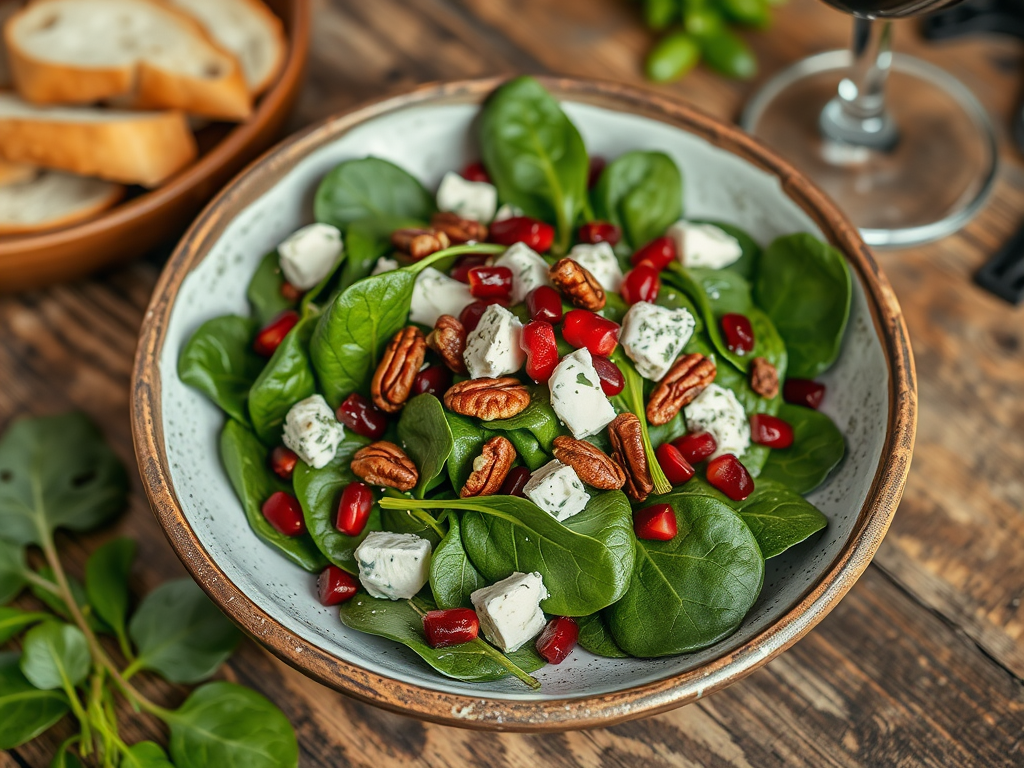
Spinach Salad with Candied Pecans

Cooking with fresh ingredients is a delightful adventure that sparks joy and creativity. Making a spinach salad with candied pecans turns mealtime into a fun, vibrant experience, filling my kitchen with warmth and happiness. It’s a simple way to add excitement and flavor to everyday meals.

Ingredients

  • 1 tablespoon butter
  • ½ cup pecan halves
  • 2 tablespoons brown sugar
  • 2 tablespoons of balsamic or white wine vinegar
  • 2 tablespoons of olive oil
  • 1 6-ounce package of baby spinach, long stems removed
  • 1 Pomegranate, seeded
  • ¼ cup feta or Gorgonzola cheese

Directions

  1. Melt butter in a small frying pan over low heat.
  2. Add pecans and 1 tablespoon of the brown sugar.
  3. Cook for 2 to 3 minutes, stirring constantly until nuts are caramelized.
  4. Spread out on wax or parchment paper to cool.
  5. In a jar with a lid, combine the remaining brown sugar, olive oil and vinegar, shake until sugar is melted.
  6. Place spinach in a large salad bowl and coat with the dressing, mix.
  7. Stir in pecans and pomegranate seeds, sprinkle with feta cheese or Gorgonzola cheese

Optional stir ins:

  • Thinly sliced tart apple
  • Golden raisins
  • Sliced Strawberries
  • Raspberries
  • Blueberries

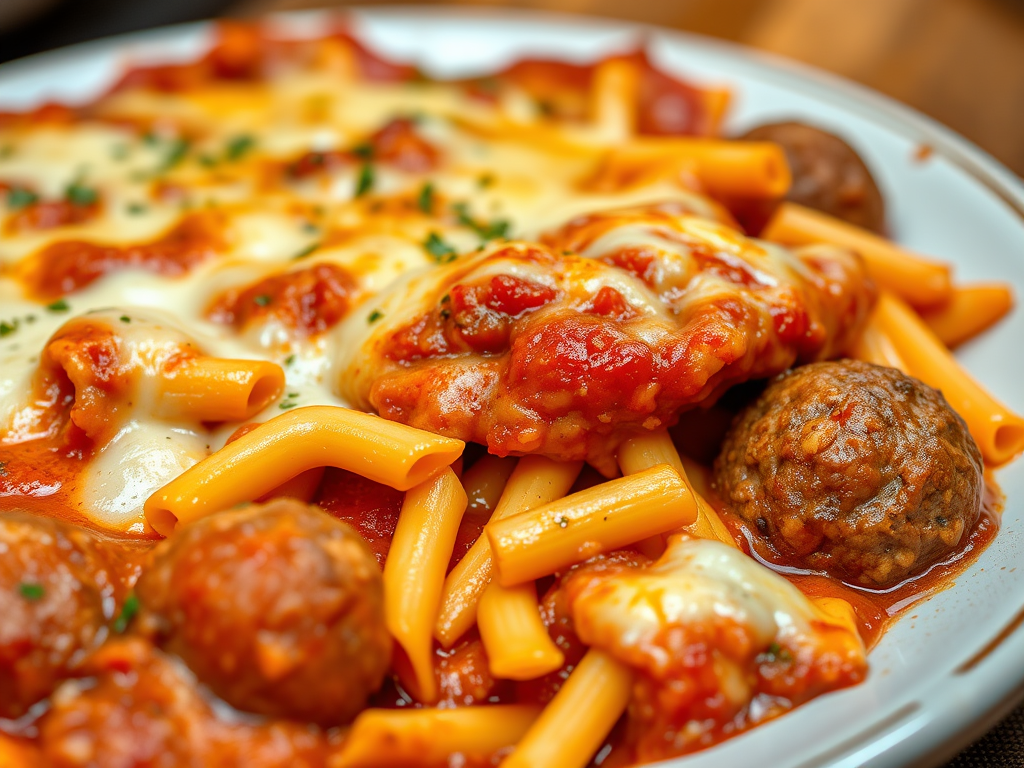
Baked Ziti

Sunday dinner on a cold winter day is special. Baked Ziti, a classic comfort food, is perfect for this occasion. Serve it with a fresh green salad and toasted garlic bread. You can use traditional pasta or opt for healthier options like whole wheat, protein, or high-fiber pasta. To keep it simple, I use jarred spaghetti sauce, but homemade sauce works well too. Sometimes, I add cooked Italian sausage or meatballs to enhance the flavor. This dish is easy to prepare and ideal for a cozy family meal.

Ingredients

  • 18-ounce box of Ziti, cook and drain as directed on the box. Do not rinse
  • 3-1/2 cups (32-ounce jar of sauce) spaghetti sauce
  • 2 cups of Ricotta cheese
  • 2 cups shredded mozzarella cheese
  • ¼ cup chopped, fresh parsley
  • 1 egg, slightly beaten
  • 1 teaspoon oregano
  • ½ teaspoon garlic powder
  • ¼ teaspoon pepper
  • 1 tablespoon freshly grated parmesan cheese
  • ½ cup shredded mozzarella cheese

Process

  1. Preheat oven to 375°F.
  2. Cook pasta according to directions, drain but do not rinse (rinsing pasta prevents sauce from sticking to it).
  3. In a large bowl combine ½ cup of spaghetti sauce, ricotta cheese, mozzarella cheese, fresh parsley, egg, oregano, garlic powder, pepper and 1 tablespoon of freshly grated parmesan cheese.
  4. In a 3-quart casserole pour another ½ cup of spaghetti sauce on bottom of dish and spread out with a spatula.
  5. Pour contents of ziti mixture into casserole pour remaining spaghetti sauce on top of ziti mixture, sprinkle with mozzarella cheese.
  6. Bake covered with aluminum foil for 30-35 minutes or until hot and bubbly

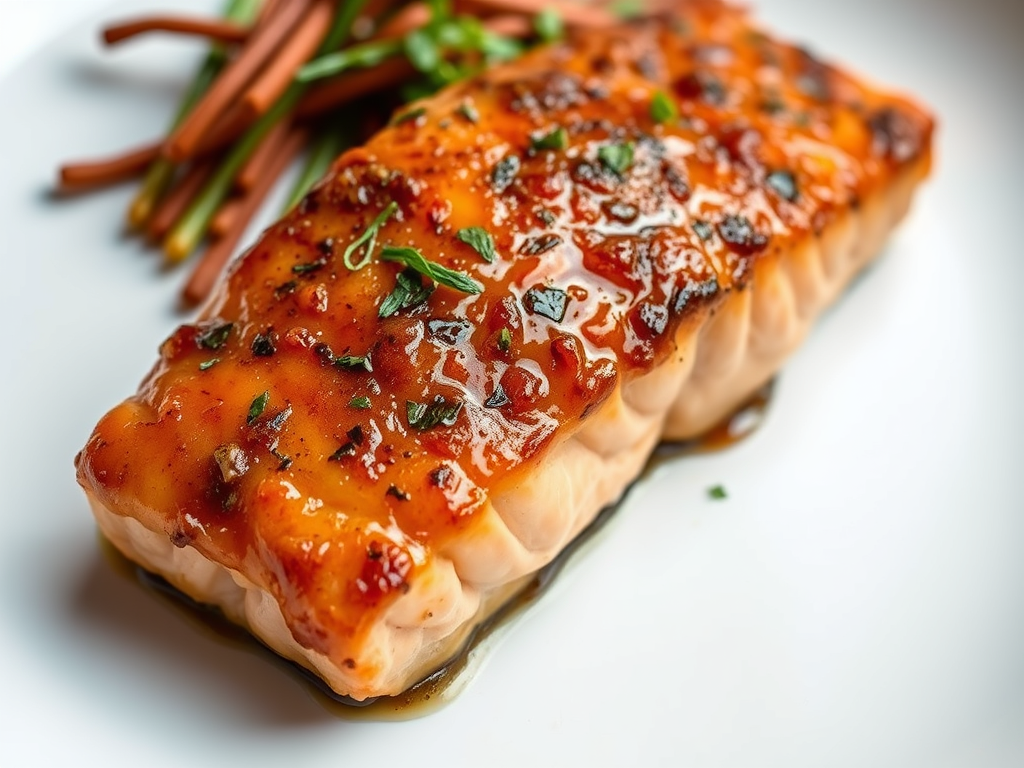
Baked Salmon with Brown Sugar Rub

Using a brown sugar rub on a salmon fillet not only elevates its flavor profile but also adds an appealing visual appeal, making it a popular choice among seafood enthusiasts and home cooks alike. Applying a brown sugar rub on a salmon fillet is a popular culinary technique that enhances the fish’s natural flavors while adding a subtle sweetness and caramelized crust. Additionally, the brown sugar rub can be customized with herbs or spices to suit personal preferences, making it a versatile option for enhancing the taste of salmon.

Ingredients

  • 1 tablespoon brown sugar
  • 1-1/2 teaspoon kosher salt
  • 1-1/2 teaspoon sweet paprika
  • 1-1/2 teaspoon garlic powder
  • 1 teaspoon Korean Pepper Flakes (optional)
  • ¼ teaspoon freshly cracked black pepper
  • 1 2-pound salmon filet
  • 1 tablespoon olive oil

Process

  1. Preheat the oven to 375° F.
  2. In a small bowl, combine the brown sugar, salt, paprika, garlic powder, pepper flakes, and pepper.
  3. Place the salmon on a parchment or aluminum foil lined, rimmed baking sheet, skin side down. Brush the salmon with the olive oil, then rub it with the spice mixture until completely coated.
  4. Bake in the center of the oven for 15 – 18 minutes, or until the fish flakes easily with a fork. (Internal temperature 145° F. or 63° C.)

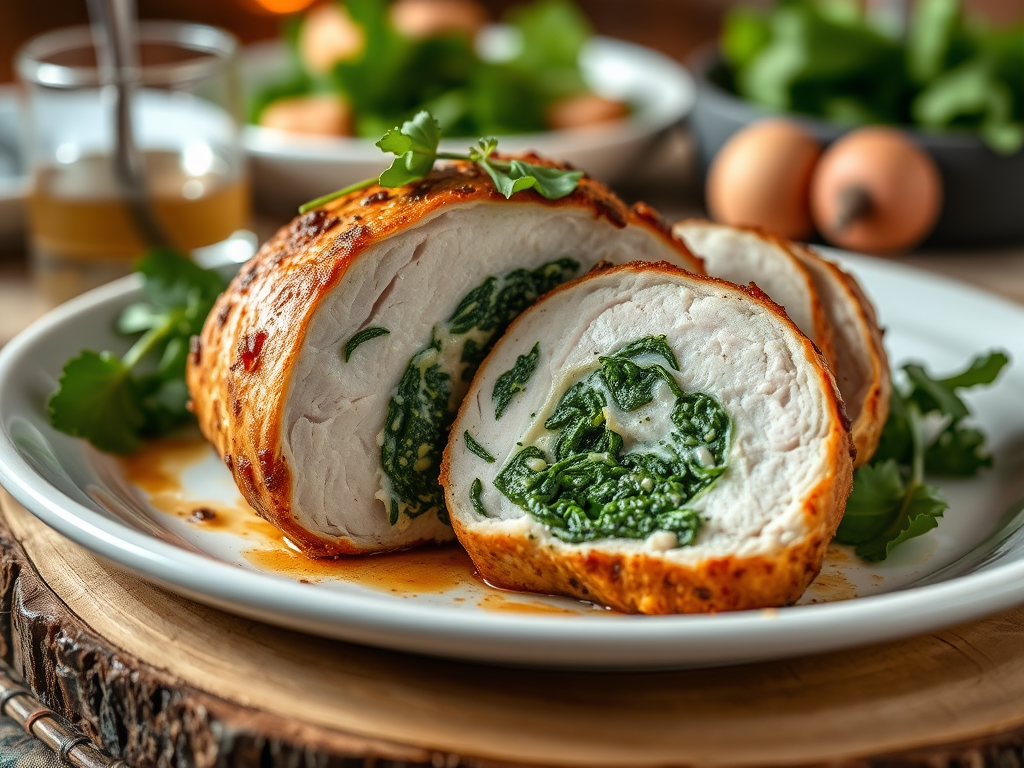
Simple Stuffed Turkey Breast

This delicious roulade is perfect for your company or weekly dinners. It is filled with sautéed vegetables and sliced into attractive pinwheels, making it both tasty and visually appealing.
Preparing a turkey breast can be an excellent choice for a nutritious and flavorful meal. Turkey breast is a lean source of protein, making it suitable for health-conscious individuals. A well-prepared turkey breast can be tender, juicy, and full of flavor, especially when cooked with the right techniques and seasonings.

Ingredients

  • 1 whole turkey breast (about 2-3 pounds)
  • 2 tablespoons olive oil or melted butter
  • 1 cup of finely chopped red onion
  • 2 cups of chopped mushrooms
  • 2 carrots, shredded
  • 2 cloves of garlic, grated or pressed
  • 1 10-ounce box frozen chopped spinach, thawed and squeezed dry
  • 2 tablespoons of fresh parsley
  • ¼ cup grated Parmesan cheese
  • ½ teaspoon dried basil leaves
  • ¼ cup dry breadcrumbs
  • 1 cup low-sodium chicken broth
  • 1 tablespoon grated lemon zest
  • Salt and freshly ground black pepper to taste
  • Garlic cloves (minced)

Process

  1. Mix the dry breadcrumbs with ¼ cup of the chicken broth. Set aside.
  2. In a large nonstick skillet, melt the butter. Sauté the onions for 4 minutes. Add the garlic, mushrooms and carrots; sauté until the vegetables are tender, 4-5 minutes.
  3. Stir in the spinach, parsley, cheese and basil; cook for 2 minutes.
  4. Remove from the heat; stir in the breadcrumbs, and lemon zest.
  5. Preheat the oven to 325°F.
  6. Spray a 9×13” baking dish with nonstick cooking spray.
  7. Place the turkey between two sheets of plastic wrap, with a meat mallet or rolling pin, pound to an even thickness.
  8. Remove the top sheet of plastic wrap from the turkey; spread the mushroom mixture over the turkey breast, leaving a 2” border on all sides.
  9. Starting with the short side, roll up the turkey breast jelly-roll style; tie at 2” intervals with kitchen string.
  10. Place the roll, seam-side down in the baking dish, pour the remaining broth over the turkey and cover loosely with foil.
  11. Bake, basting frequently with the pan juices, until an instant-read thermometer inserted in the center of the roll reaches 180°F, 1-1½ hours.
  12. Transfer turkey to a cutting board; let stand 10 minutes before removing the string and slicing.

Serving Suggestions

Slice the turkey breast and serve with a variety of side dishes such as roasted vegetables, mashed potatoes, or a fresh salad. The turkey can also be used in sandwiches or salads for a quick and healthy meal.

Sautéed Zucchini Noodles

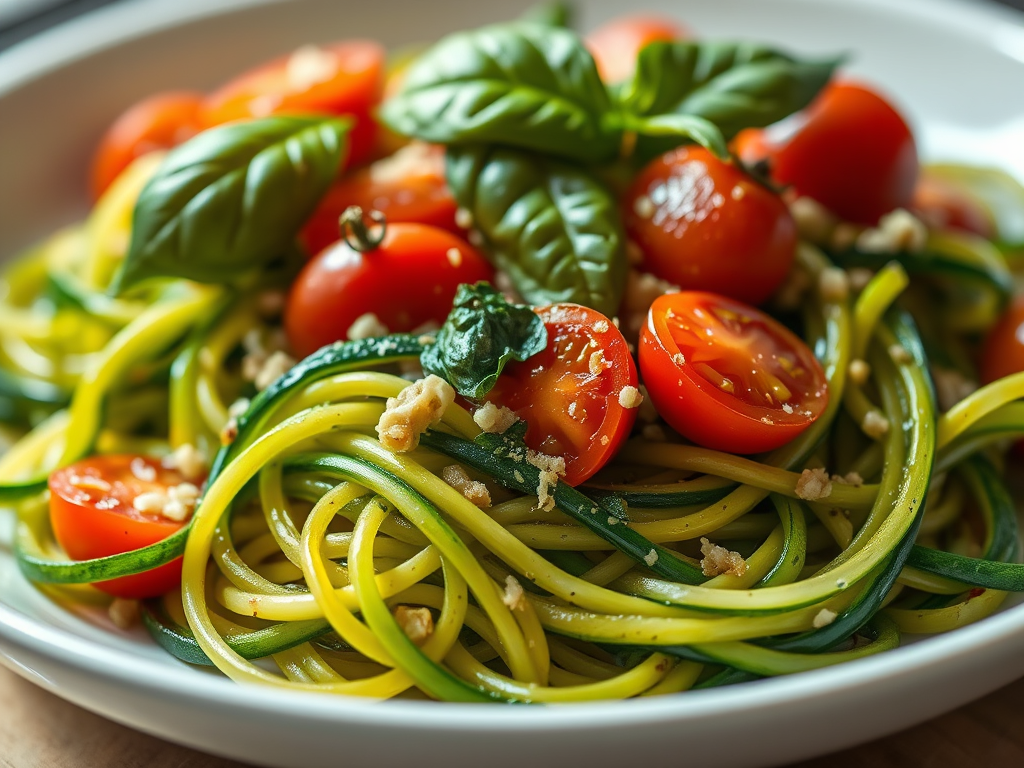
I purchased a small, handheld device that turns zucchini into noodle-like strands, similar to spaghetti. Alternatively, you can use a vegetable peeler to create thin slices, then stack and cut them into strips. A box grater can also be used by sliding the zucchini down its large holes. Additionally, spiralizers or mandolins are effective tools for slicing zucchini into noodles. Many slicers suitable for this purpose are available at market or online offering a variety of options for preparing zucchini noodles easily and efficiently.

Incorporating zucchini into your diet offers numerous health benefits, making it a valuable addition to a balanced nutritional plan. Zucchini, a versatile and nutrient-dense vegetable, is low in calories but rich in essential vitamins, minerals, and antioxidants. Its inclusion can support overall health, aid in weight management, and promote well-being.

Ingredients

  • 2 – 3 zucchinis’, wash do not peel, remove ends
  • 1 medium sweet onion, diced
  • 3 fresh garlic cloves, sliced on the long side
  • About 1 cup of any other vegetable, such as sweet peppers, mushrooms, broccoli florets, spinach or cauliflower
  • ¼ cup fresh parsley, chopped fine
  • 4 tablespoons Parmesan grated
  • 1 tablespoon of olive oil
  • 2 tablespoons of butter (use real butter)
  • ½ tsp of kosher salt
  • ¼ tsp of red pepper flakes

Process

  1. Set your sliced zucchini aside.
  2. Chop your onions, slice your other vegetables.
  3. Heat a wok or other heavy pan on medium-high with 1 tablespoon of olive oil
  4. When oil is hot, add onions, and vegetables (except fresh spinach, add that last)
  5. Sauté until soft
  6. Push the vegetables to the side of the pan and add butter
  7. When butter is melted, add the garlic and sauté for about 30 seconds, add zucchini noodles and sauté for 3-4 minutes in hot butter. Sprinkle red pepper flakes, Parmesan and salt over vegetables in pan and stir together, if using fresh spinach add it now and stir until wilted.

Add Ins

  • Add shredded chicken, scallops, or shrimp to noodles to turn a side dish into a full meal. Include poached eggs for breakfast or add spaghetti sauce with ground beef or turkey for a hearty, satisfying dish.

Notes

Overcooking zucchini strands makes them soggy, similar to overcooked pasta. Aim for a firm texture, or ‘al dente.’ The strands should have a slight bite, not be too soft, ensuring better taste and texture.

Portabella Mushrooms, Stuffed with Feta cheese, Kalamata Olives and Avocado

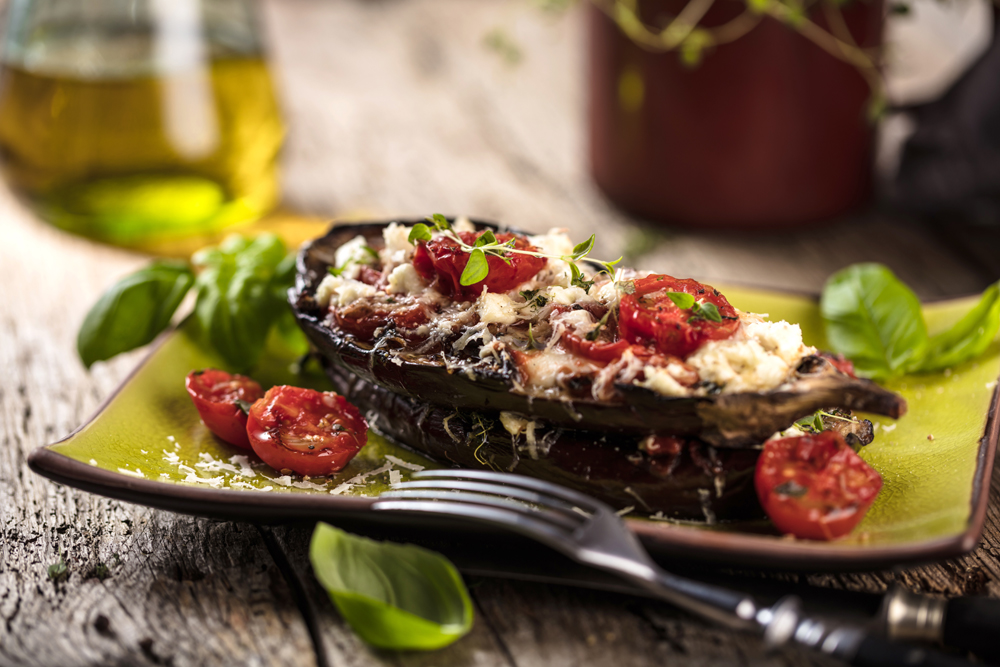
Portabella mushrooms are healthy and practical. They are low in calories and rich in antioxidants, vitamins, and minerals. They can be used instead of bread or pastry for stuffing, providing nutrition and flavor. Alternative ingredients such as cooked Italian Sausage, sauteed bell peppers, chili peppers, or prosciutto could be considered as additions to the basic stuffing below. This recipe is versatile, allowing you to customize the filling with your favorite vegetables or cheeses. Served with a side salad or soup, enjoy the rich flavors and satisfying texture of this dish.


Ingredients

  • ¼ cup olive oil
  • 1 tablespoon of balsamic vinegar
  • 1 clove garlic, grated
  • ¼ cup of sliced Kalamata Olives
  • 4 or 5 sun dried tomatoes, chopped
  • ¼ cup diced sweet onion
  • 1 cup fresh spinach
  • 1 oz goat cheese
  • ½ Avocado – cut into chunks
  • ¼ tsp Kosher salt or sea salt
  • Sprinkle of freshly grated pepper
  •  4 large Portabella Mushrooms

Process

  1. Preheat oven to 425°F.
  2. Clean the mushrooms with a damp paper towel.
  3. Remove the stems by twisting them off and scrape out the gills using a spoon to create more space for the stuffing.
  4. Marinate the mushrooms for 30 minutes to 1 hour in ¼ cup olive oil and 1 tbsp. balsamic vinegar add 1 grated garlic clove.
  5. Add one teaspoon of olive oil to a skillet on medium-high heat, add Kalamata olives, and the sun-dried tomatoes, stir-fry for about 4-5 minutes until the olives are crispy. Remove from pan.
  6. Turn heat down to medium, add another teaspoon of olive oil and add the diced onions and garlic. Stir-fry for about 2-3 minutes until onions are soft. Add the spinach just until wilted.
  7. Add the olives and tomato mixture to the pan with the onions, garlic and spinach.
  8. Remove from heat, let cool slightly.
  9. Stir in goat cheese, sprinkle with salt and pepper to taste, stir in Avocado chunks.
  10. Place pan in pre-heated oven and bake for 20 minutes until mushrooms are tender.
  11. Remove from the oven and let mushrooms cool slightly before serving.

Cooking Endive

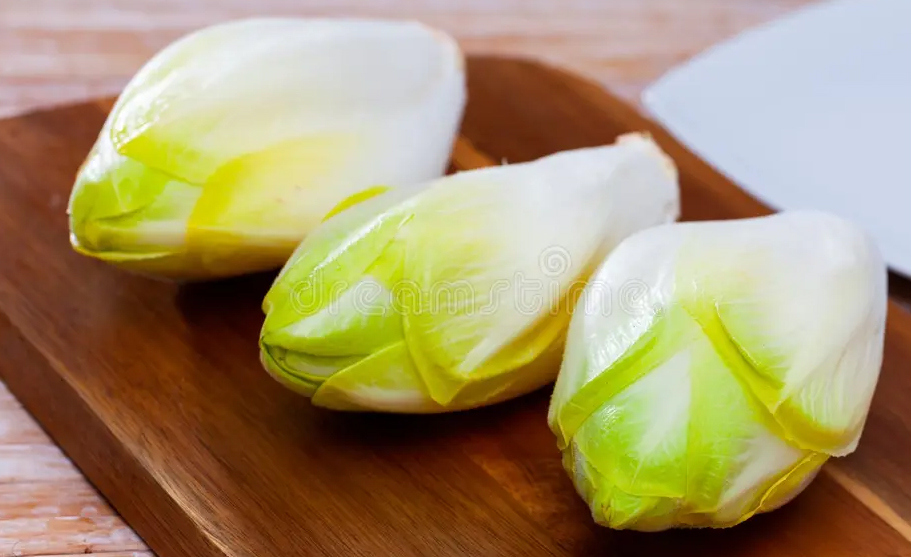
How to cook endive. Endive belongs to the chicory genus, which includes several similar bitter leafed vegetables. I am talking about the little bullet shaped endives, not the curly leaf or chicory. Endives are rich in many vitamins and minerals, especially in foliate and vitamins A and K, and are high in fiber. Endive has a bitter-sweet taste, but I thought it was very savory, almost nutty. I served it up with my baby potatoes and flounder; it made a very filling side dish. Let your kids eat these little “boats” with their fingers. Make it fun.

Here are a few suggestions on how to enjoy your endive:

Baked endive:

  1. Preheat oven to 375° F.
  2. Slice endive lengthwise, remove core. Keep the root end intact as it will hold the leaves together after slicing.
  3. Brush both halves with olive oil.
  4. Slice a fresh garlic clove into very thin slices and place the slices in between the endive leaves.
  5. Sprinkle with kosher salt and pepper, and a little garlic powder.
  6. Bake at 375°F. for 20 minutes.
  7. Remove them from the oven and sprinkle balsamic vinegar over them.

Pan braised endive:

  1. Slice your endives in half.
  2. Sprinkle cut side with kosher salt and pepper, and any other seasoning you might like.
  3. Melt 1 tablespoon of butter in a heavy pan along with 1 tablespoon coconut oil.
  4. Place the endive halves cut side down in the pan, cook on medium-high heat until they are brown.
  5. Add ½ cup chicken broth and simmer until almost all liquid is gone. Remove from pan sprinkle with Kosher salt, and drizzle with balsamic vinegar

Maple glazed endive:

  1. Preheat oven to 350°F.
  2. Halve 6 small endives, remove as much of the core as possible.
  3. Arrange endive into one layer on a baking sheet with raised edges.
  4. In a small saucepan, melt 2 tablespoons of butter then stir in 2 tablespoons of real maple syrup, 2 teaspoons of thyme and ¼ teaspoon salt. When hot, pour over the endive and bake until tender and the edges begin to brown, 20 to 25 minutes.

Fresh Herbed Chicken Breast

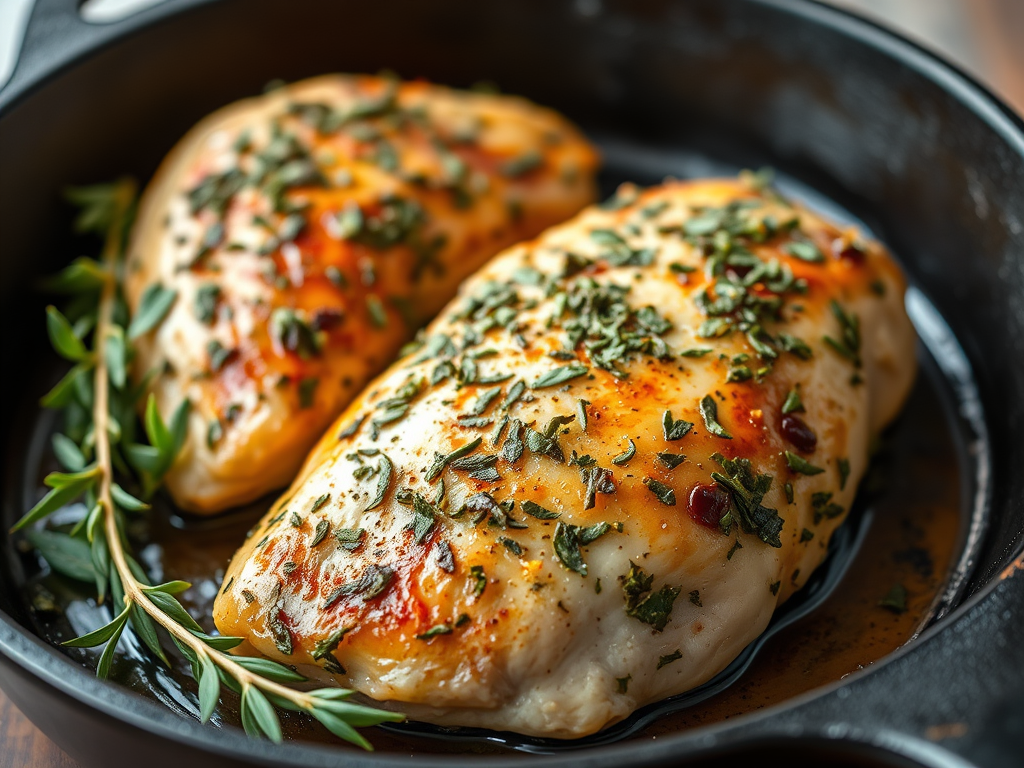
This recipe is for a simple, healthy herb-crusted chicken breast. I researched various oven-cooked herb chicken recipes but found many used flour, breadcrumbs, butter and oil. Instead, I chose to prepare my own version using fresh herbs from my garden, fresh herbs are also available at the markets. The preparation takes about 15 minutes from start to finish. The recipe does not include flour, breadcrumbs, or excessive fats, making it a quick and nutritious dinner option. It only takes around 8 minutes to cook, which I consider a fast meal. Overall, this approach emphasizes health, simplicity, and speed, making it suitable for busy weeknights while still delivering a flavorful dish.

Ingredients

  • 6 – 8 oz chicken breast, boneless, skinless
  • ¼ cup of chopped fresh herbs, I used a combination of parsley, sage, oregano, rosemary
  • ¼ tsp kosher salt
  • 2 tsp of coconut oil
  • 1 tsp of butter

Process

  1. Place chicken breast inside a plastic quart bag or between two pieces of plastic wrap and using a meat mallet begin to gently pound the chicken on both sides until all the same width
  2. Take half of the chopped herbs and spread on one side of chicken breast, sprinkle with salt and gently pound the herbs into that side of the chicken breast
  3. Turn chicken over and spread remaining herbs and salt on other side of breast and pound into the chicken breast.
  4. Melt coconut oil and butter in a heavy pan or non-stick pan over medium high heat, when oil is hot place the chicken in the oil and cook uncovered for 4 minutes each side.
  5. Turn the heat down to medium if it looks like it is browning too fast. When the chicken is ready to flip to the other side after 4 minutes, be careful not to splash yourself. Cook the second side for 4 more minutes. Slice the chicken breast to be sure the meat is no longer pink. Cook to an internal temperature of 165°F. (or 74°C)
  • Note: Melted oil must be hot before adding the chicken breast or it will absorb the oil as it is cooking. Hot oil will sear the meat as it hits the pan.
  • Pounded chicken breast cooks relatively fast, prepare your salad and vegetables before you begin cooking.