Tag Archives: vegetable

Cooking Endive

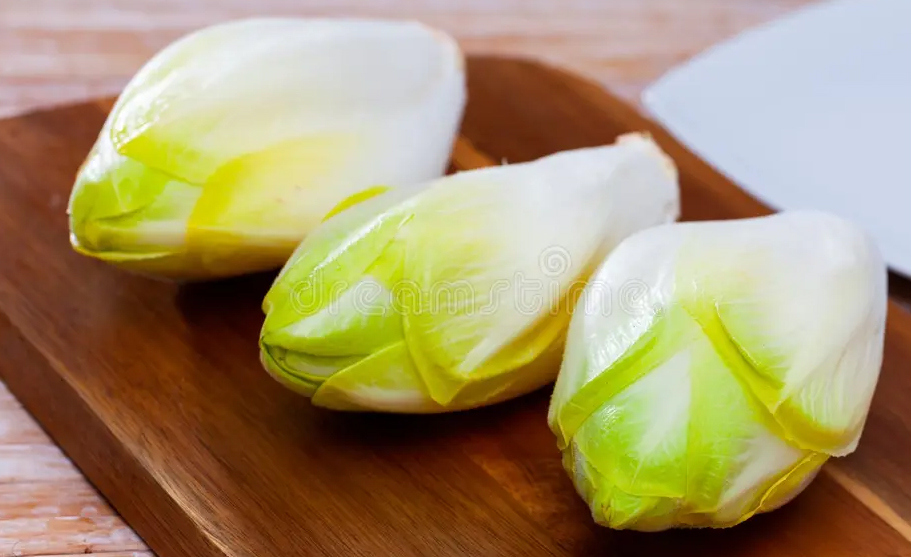
How to cook endive. Endive belongs to the chicory genus, which includes several similar bitter leafed vegetables. I am talking about the little bullet shaped endives, not the curly leaf or chicory. Endives are rich in many vitamins and minerals, especially in foliate and vitamins A and K, and are high in fiber. Endive has a bitter-sweet taste, but I thought it was very savory, almost nutty. I served it up with my baby potatoes and flounder; it made a very filling side dish. Let your kids eat these little “boats” with their fingers. Make it fun.

Here are a few suggestions on how to enjoy your endive:

Baked endive:

  1. Preheat oven to 375° F.
  2. Slice endive lengthwise, remove core. Keep the root end intact as it will hold the leaves together after slicing.
  3. Brush both halves with olive oil.
  4. Slice a fresh garlic clove into very thin slices and place the slices in between the endive leaves.
  5. Sprinkle with kosher salt and pepper, and a little garlic powder.
  6. Bake at 375°F. for 20 minutes.
  7. Remove them from the oven and sprinkle balsamic vinegar over them.

Pan braised endive:

  1. Slice your endives in half.
  2. Sprinkle cut side with kosher salt and pepper, and any other seasoning you might like.
  3. Melt 1 tablespoon of butter in a heavy pan along with 1 tablespoon coconut oil.
  4. Place the endive halves cut side down in the pan, cook on medium-high heat until they are brown.
  5. Add ½ cup chicken broth and simmer until almost all liquid is gone. Remove from pan sprinkle with Kosher salt, and drizzle with balsamic vinegar

Maple glazed endive:

  1. Preheat oven to 350°F.
  2. Halve 6 small endives, remove as much of the core as possible.
  3. Arrange endive into one layer on a baking sheet with raised edges.
  4. In a small saucepan, melt 2 tablespoons of butter then stir in 2 tablespoons of real maple syrup, 2 teaspoons of thyme and ¼ teaspoon salt. When hot, pour over the endive and bake until tender and the edges begin to brown, 20 to 25 minutes.
Brussels Sprouts with Bacon, Garlic, and Onion

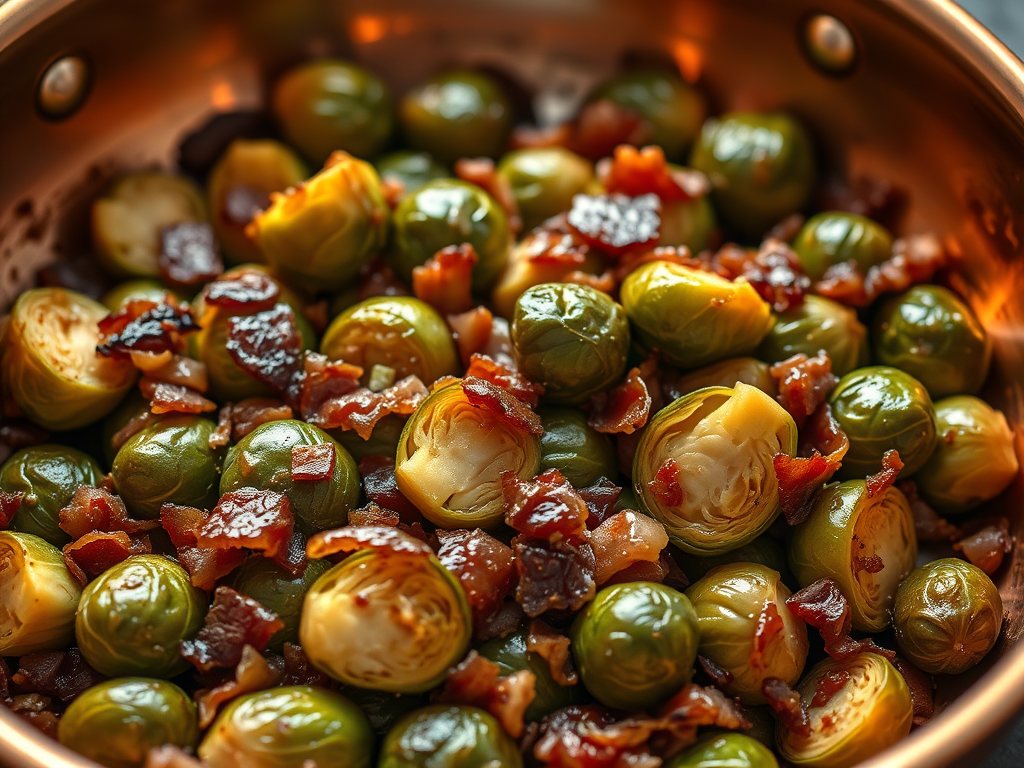
Brussels sprouts are often overlooked but offer many health benefits and culinary uses. They taste similar to small cabbages and can be made more appealing by adding ingredients like bacon, garlic, or sweet onions. These vegetables go well with beef or pork dishes. To keep their nutrients, it’s best to steam or stir-fry Brussels sprouts, as boiling can reduce important compounds like sulforaphane. They also contain indole-3-carbinol, which is being studied for its potential to help repair DNA and slow cancer growth in lab tests. Including Brussels sprouts in your meals can support a healthy diet and add variety to your cooking. Their nutritional value and versatility make them a good choice for many recipes, helping more people enjoy this nutrient-rich vegetable.

Brussels Sprouts with Bacon, Garlic, and Onion

Ingredients

  • 6 slices bacon
  • ½ cup sweet onion, diced
  • 2 pounds Brussels sprouts, trimmed and halved
  • 4 garlic cloves, grated
  • 1/2 cup fat-free chicken broth
  • 1/8 teaspoon salt
  • 1/8 teaspoon red pepper flakes or Korean Red Pepper Powder
  • 1 tablespoon red currant jelly

Process

  1. Heat a large nonstick skillet over medium-high heat. Add bacon, and sauté until bacon begins to brown. Remove pan from heat. Remove the bacon from pan, reserve one tablespoon drippings in pan (discard the remaining drippings).
  2. Chop bacon into small pieces
  3. Return pan to medium-high heat, and stir in bacon pieces, onion, and Brussels sprouts; sauté 4 minutes.
  4. Add garlic, and sauté for 4 minutes or until garlic begins to brown, stirring frequently.
  5. Add the chicken broth and bring it to a boil. Cook for 2 minutes until the broth reduces and is almost completely gone and the sprouts are crisp-tender, stirring occasionally.
  6. Remove from heat; stir in salt and red pepper flakes, toss with a tablespoon of currant jelly.
  7. For a colorful, special Thanksgiving or Christmas dinner or any holiday dinner, try stirring in pomegranate seeds.

Light and Traditional Coleslaw

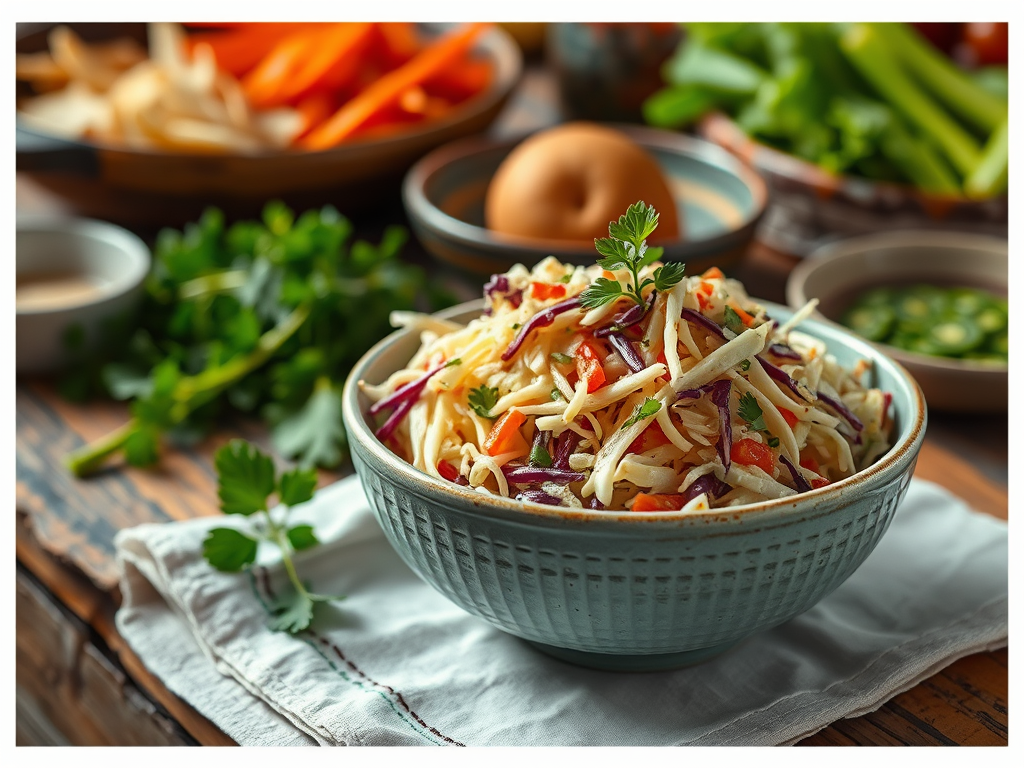
Eating cabbage regularly can improve your health. It helps boost your immune system, aids digestion, and supports overall wellness. Cabbage also benefits your heart by reducing inflammation and oxidative stress thanks to its antioxidants. Besides health benefits, cabbage is versatile in cooking. You can use it on tostadas, sandwiches, fish tacos, or in dishes like Egg Roll in a Bowl. Using pre-shredded coleslaw mix makes it easy to prepare quick cabbage soup or cabbage pancakes. I like the Light Coleslaw recipe during the week. It tastes good and stays fresh for a few days.

LIGHT COLESLAW DRESSING

Ingredients

  • 3 tablespoons of reduced calorie mayonnaise
  • 2 tablespoons cider vinegar (substitutes: rice or white vinegar)
  • 1 tablespoon of dill seeds (substitute: caraway seeds, or none)
  • 1 teaspoon of sugar
  • ¼ teaspoon freshly ground pepper
  • 1 bag of pre-grated coleslaw mix
  • 1 small, sweet onion, grated on a box grater

Process

  1. Mix dressing ingredients together in a larger bowl. Whisk together the mayonnaise, vinegar, dill seeds, sugar, and pepper.
  2. Grate onion.
  3. Stir in the pre-grated bag of coleslaw mix and onion until blended.
  4. Cover and refrigerate for at least 1 hour.
  5. Stir before serving.

Nutrition per serving

Calories: 65kcal | 3 g Total Fat | 1 g Saturated Fat | 3 mg Cholesterol | 74 mg Sodium | 10 g Total Carbohydrate | 2 g Dietary Fiber | 2 g Protein | 48 mg Calcium

TRADITIONAL COLESLAW DRESSING

Ingredients

  • ½ cup mayonnaise
  • 1-1/2 tablespoon apple cider vinegar
  • 2 teaspoons Dijon mustard
  • 1 tablespoon sugar adjust to taste
  • 1 teaspoon kosher salt
  • ¼ tsp black pepper
  • ½ tsp celery seed optional

Process

  1. Whisk together in a large bowl: mayonnaise, vinegar, Dijon mustard, sugar, salt, pepper and celery seed.
  2. Stir in the bag of pre-grated coleslaw until well blended.
  3. Cover and refrigerate for at least 1 hour.
  4. Stir before serving.

Nutrition

Calories: 127kcal | Carbohydrates 7g | Protein 1g | Fat 11g | Saturated Fat 2g| Polyunsaturated fat 6g | Monounsaturated Fat 2 g | Trans Fat 6g | Cholesterol 6mg | Sodium 416mg | Potassium 158mg | Fiber 2g | Sugar 5 g

Notes: Note that coleslaw reduces in volume as it sits and the cabbage releases its moisture. Don’t be tempted to add more mayo even if it appears dry at first: it will become saucier quickly as it stands (even more so the next day!).

Optional Seasoning add-ins:

  • Onion powder
  • Garlic powder
  • Celery seed
  • Dry mustard or Dijon mustard
  • Cilantro

Optional Mix-ins:

You can also add other mix-ins to the coleslaw things like:

  • Apples – diced
  • Dried cranberries
  • Sliced almonds
  • Bleu cheese or cheddar cheese
  • Pineapple
  • Poppyseeds
  • Fresh strawberries