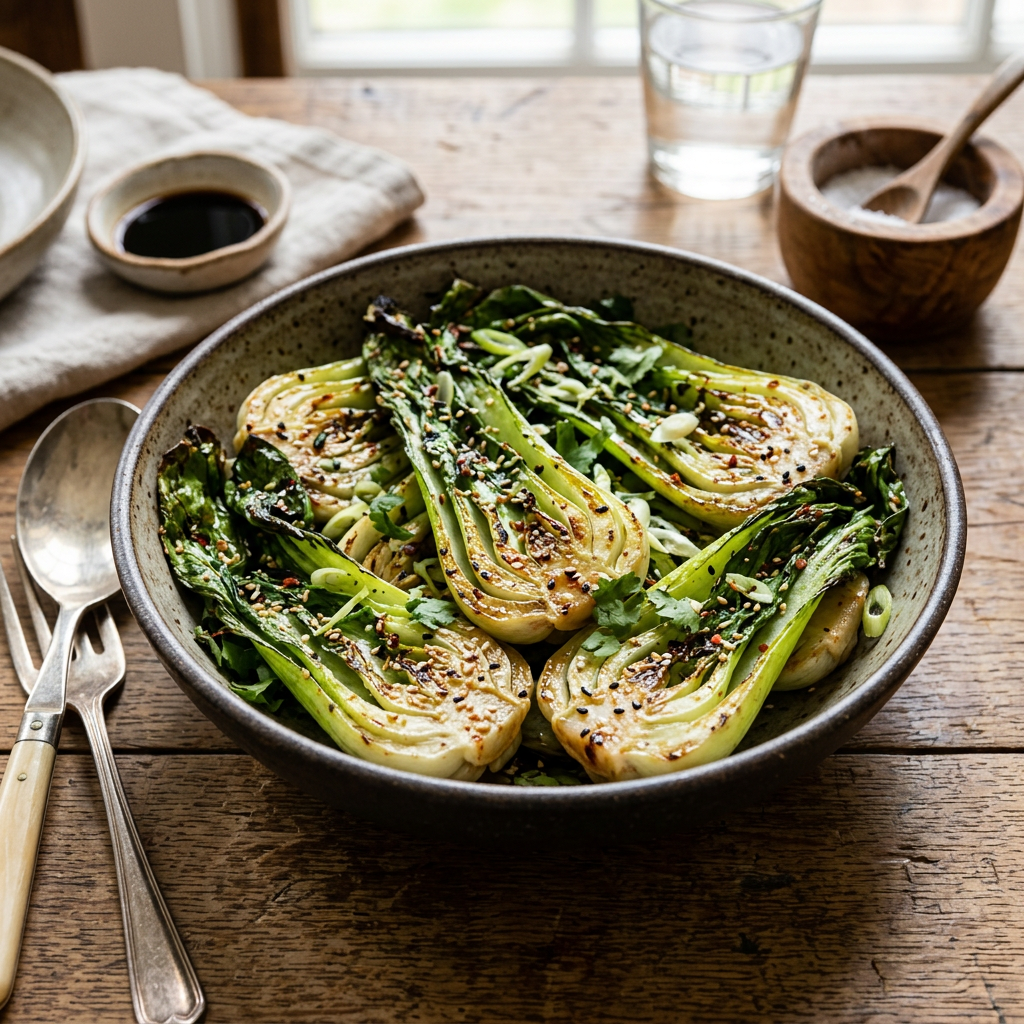
Turn humble bok choy into a crave-worthy side dish with a quick trip to the oven! Roasting creates delightfully crisp, caramelized edges while keeping the leaves tender. Garlic, sesame oil, and a sprinkle of seasoning add a savory flavor boost. Serve it alongside rice, noodles, grilled meats, tofu, or seafood for an effortless, colorful upgrade to almost any meal.
Ingredients
1 1/2 pounds of baby bok choy, washed
2 cloves garlic, pressed or grated
2 tablespoons sesame oil
1 tablespoon seasoned rice vinegar
3 tablespoons soy sauce
1/2 teaspoon salt
1 teaspoon grated fresh ginger
1/4 teaspoon Korean Red Pepper Powder (or red pepper flakes)
¼ teaspoon black pepper
1/2 teaspoon sesame seeds or scallions for garnish
Process
Preheat oven to 400°F.
Position the oven rack in the middle of the oven. Line a baking sheet with aluminum foil or parchment paper; set aside.
Trim about 1/2 inch from the bottom of each baby bok choy. Wash and dry the bok choy. Cut each one lengthwise into four pieces, leaving the stem intact so the pieces stay together.
In a small bowl, whisk together minced garlic, ginger, sesame oil, soy sauce, rice vinegar, salt, pepper, and red pepper flakes,
Arrange the bok choy evenly on the baking sheet. Brush the sauce over the bok choy, covering every nook and cranny. Sprinkle with salt and black pepper to taste.
Roast for 10 minutes. Turn the bok choy over and roast for another 6–8 minutes, until the leaves are crisp and lightly browned.
Do not overcook the bok choy. It should remain crisp-tender. Cut it into pieces and serve, or drizzle it with high-quality balsamic vinegar before serving.
Sprinkle with sesame seeds and/or sliced scallions. Serve immediately.
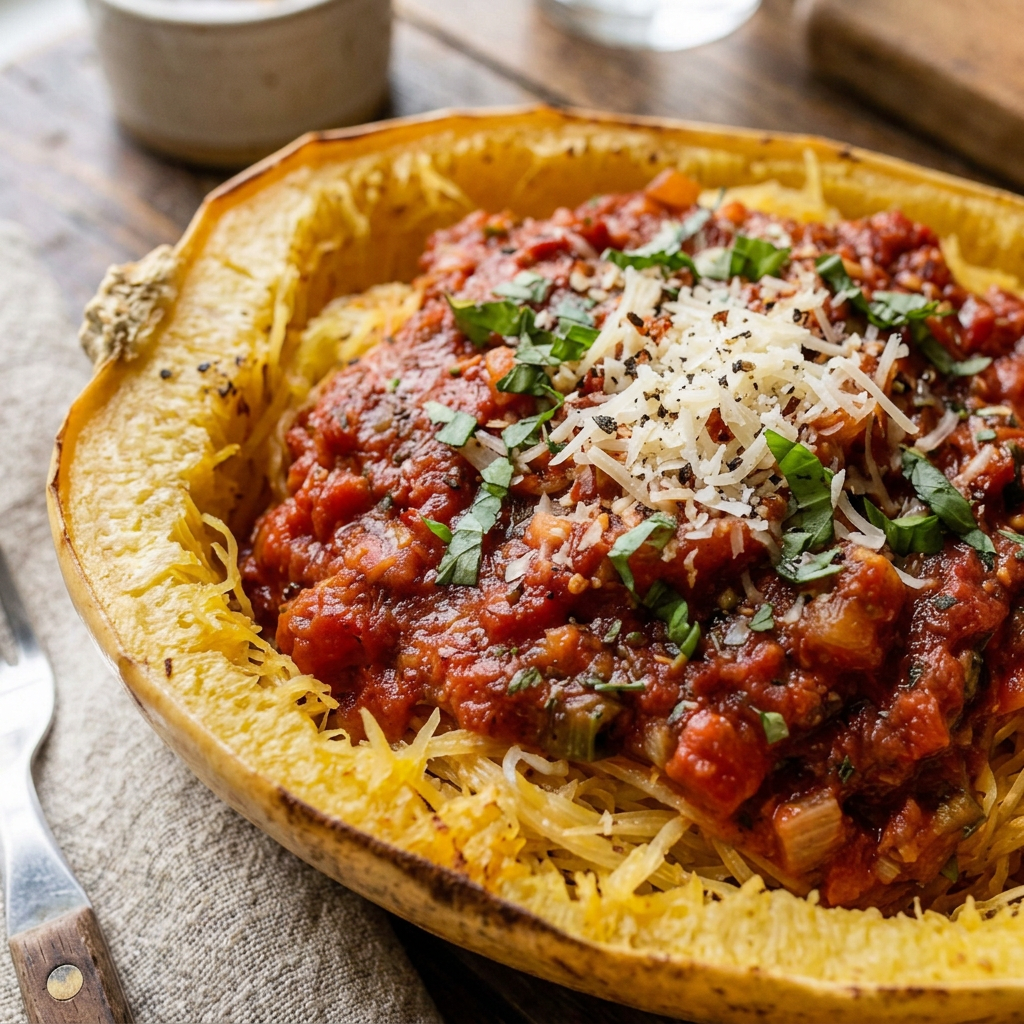
Spaghetti squash strands topped with hearty tomato sauce, herbs, and Parmesan create a comforting homemade meal.
Spaghetti squash is the vegetable that shows up to dinner wearing golden strands and a surprisingly pasta-like personality. Once cooked, its tender flesh pulls apart into delicate ribbons, creating a lighter alternative to traditional noodles. The flavor is mild and gently sweet, so it happily teams up with roasted garlic, olive oil, tomato sauce, fresh herbs, sautéed vegetables, or a generous sprinkle of cheese.
Ingredients
1 large spaghetti squash
2 tablespoons of olive oil
1 large Roma tomato, finely chopped
2 tablespoons of fresh basil
¼ cup shredded mozzarella or parmesan cheese
1 teaspoon each coarse salt and pepper
1 teaspoon garlic powder
Process
Preheat oven to 400°F.
Wash the squash thoroughly under running water to remove dirt. Pat it dry.
Pierce the squash with a knife or fork. Microwave it on high for 4 minutes. Let it rest for 2 minutes.
Place the squash on a towel to keep it steady. If cutting it lengthwise, cut off the stem end first. Then use a very sharp knife to cut the squash in half lengthwise.
Use a fork to remove the seeds and center strings.
Drizzle the inside of the two halves with olive oil, using your hands or a brush to ensure all surfaces are coated.
Sprinkle the coarse salt, pepper, and garlic powder all over the inside surface of the squash.
Place the squash cut-side down in an oven-safe dish or pan.
Bake in a preheated oven for 40 – 50 minutes or until the squash is soft and the strands pull up easily with a fork.
Remove from the oven and fluff the squash with a fork, pulling the strands away from the sides – leave squash in shell.
Turn oven onto broil
Add the tomatoes and fresh basil to the fluffed squash and sprinkle each half with the cheese.
Place under broiler for 3 to 4 minutes or until the cheese is melted and lightly browned.
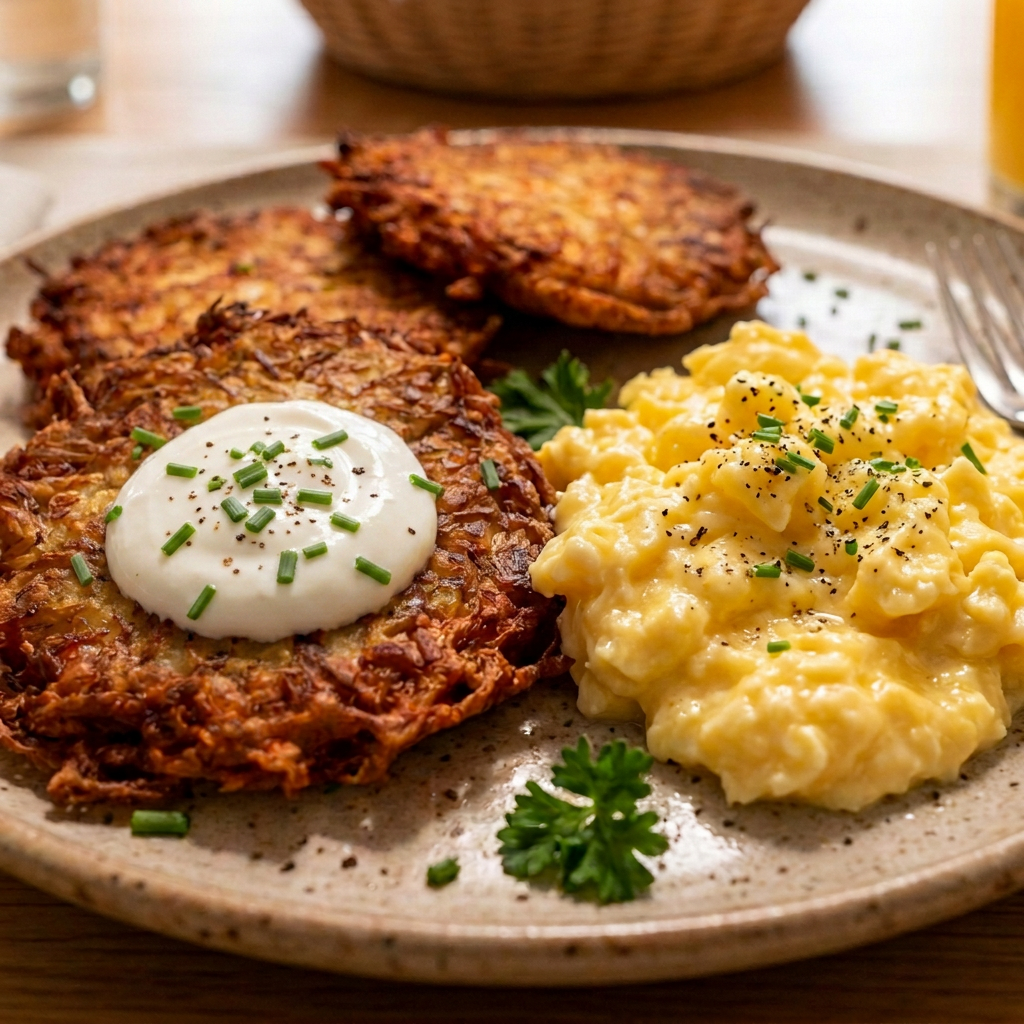
Turn mealtime into a tasty celebration with crispy German potato pancakes! These golden treats bring cheerful comfort from breakfast to dinner. Add applesauce for a sweet twist, a spoonful of sour cream for creamy tang, or a perfectly cooked egg for extra deliciousness. Pair them with steak or chicken, or let them shine solo. Crisp on the outside and soft inside, they are easy to share and make every bite feel like a small celebration.
Ingredients:
1 lb. potatoes, about 2 or 3 large russets, grated (see note below)
1/2 onion, grated
1 teaspoon garlic powder
1 tsp. salt
Dash of Ground pepper
¼ tsp nutmeg
1 egg, beaten
2 tablespoons all-purpose flour
Oil for frying
Process
Preheat oven to 250°F to keep potatoes warm while frying.
Finely grate potatoes and onion into a large bowl. Drain off any excess liquid.
Combine the egg, garlic powder, nutmeg, salt, and pepper. Gradually add 2–4 tablespoons of flour until the mixture becomes thick.
Heat 1/4 inch of oil in the bottom of a heavy skillet over medium-high heat. Drop 1/4-cup mounds of batter, two or three at a time, into hot oil and flatten with the back of a spatula to make 1/2-inch-thick pancakes.
Fry over medium-high heat, turning pancakes once, until golden brown and crisp, about 5 minutes on each side. Transfer to a paper towel–lined plate to drain. Keep warm in the preheated oven until ready to serve. Repeat until all potato mixture is used.
Note: You can use both russet potatoes and sweet potatoes for added sweetness and color.
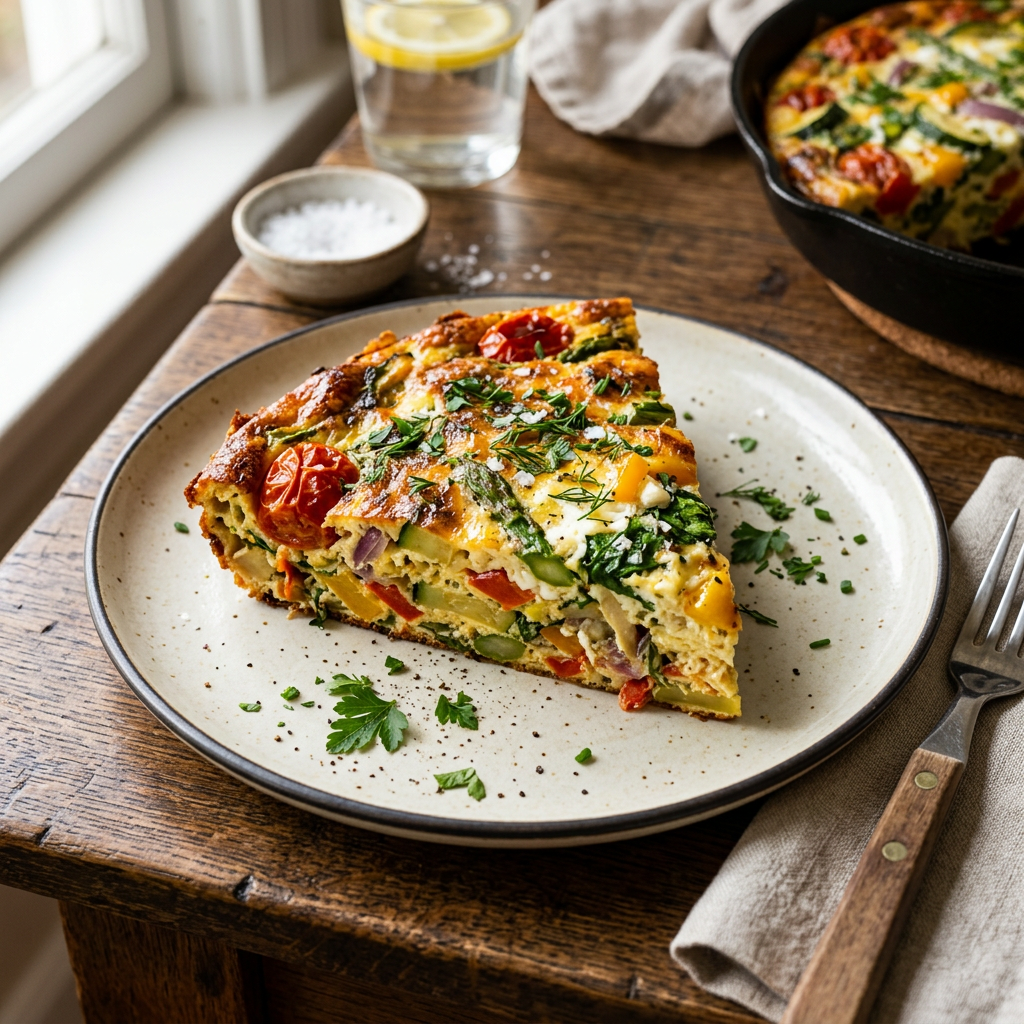
Eggs are a delightful culinary canvas any time of day—breakfast, lunch or dinner—and every part is edible, even the shell when ground for calcium. While shell color doesn’t change flavor, I’m lucky to know farmers whose hens lay blue, green, pink, brown and white eggs—Easter surprises all year. Those backyard eggs are incredibly fresh and, to me, taste like sunshine on a plate. Versatile and nutritious, eggs adapt to countless meals. Try a playful baked frittata: toss in your favorite vegetables, bits of cheese and a pinch of herbs to make a signature version. Serve a colorful tossed salad alongside a warm slice of frittata for a satisfying, balanced dinner.
Ingredients
7 Large Eggs
¼ cup of Whole Milk
1/3 cup of cheese (see NOTE below for choices)
Dash of salt
Dash of pepper
¼ cup of parsley, finely chopped
1 teaspoon of fresh thyme
Up to 1-½ cup of vegetables, (see NOTE below)
Process
Preheat oven to 350F.
Spray a deep pie plate, or a 11”x5” 7” oven proof dish
Beat all ingredients together
Mix egg mixture with your choice of vegetables and cheese
Bake in a preheated oven for 30 minutes or until a knife inserted in the middle comes out clean.
NOTE:Add-in Ingredients in ½ cup increments, up to 1-1/2 cups
Recommended Vegetables for Frittatas
Asparagus: Tender asparagus tips provide delicate, almost sweet notes while the slightly firmer stalks contribute a gentle snap. Roasting or sautéing the asparagus briefly before adding it to the pan concentrates its natural sugars and softens any fibrousness, producing a tender result without losing its color.
Spinach: A classic choice, spinach wilts down significantly and adds a rich green element. It is well paired with various cheeses and herbs.
Mushrooms: They add a savory depth of flavor and a nice texture. Sauté them before adding them to the egg mixture to enhance their taste.
Bell Peppers: Available in various colors, bell peppers add sweetness and crunch. They should be sautéed until tender before mixing with the eggs.
Zucchini: This vegetable adds moisture and a mild flavor. Sauté it to reduce excess water before adding it to the frittata.
Onions: They provide a strong flavor base. Caramelizing onions before adding them can enhance their sweetness and depth.
Broccoli: This hearty vegetable holds its shape well and adds a nice crunch. It should be steamed or sautéed until tender before use.
Tomatoes: Fresh or sun-dried tomatoes can add a burst of flavor. If using fresh tomatoes, pat them dry to avoid excess moisture in the frittata.
Popular Cheese Choices
Cheddar: A good choice is cheddar because it adds creamy, tangy flavor and melts well, making the frittata richer. Choose mild, medium, or sharp to suit your taste. Use block cheese instead of pre-shredded for better melting and texture. Mozzarella: Mozzarella has a mild taste and melts well, giving a creamy, stretchy texture. Fresh mozzarella contains more moisture and makes a frittata softer. Low-moisture mozzarella is drier and gives a firmer result. Feta: This crumbly, tangy cheese adds a Mediterranean flavor. It pairs well with spinach, tomatoes, and olives. Feta does not melt fully but adds a salty, textured contrast. Parmesan: A firm, nutty cheese that adds savory flavor. It does not melt smoothly like soft cheeses, but you can grate it into the eggs or sprinkle it on top for a tasty finish. Gruyère and Pecorino Romano: Gruyère has a mild, nutty, slightly sweet taste and melts smoothly, so it works well in vegetable or meat frittatas. Pecorino Romano is saltier and sharper, so use only a small amount in strong, meat-based frittatas.
Tips for Using Cheese in Frittatas
Grate or crumble your own cheese to ensure smooth melting and avoid additives found in pre-shredded cheese.
Combine cheeses for complex flavors, such as mozzarella with Parmesan or cheddar with Gruyère.
Moderate the amount to prevent a greasy or overly heavy frittata.
Pair with ingredients:
Vegetable frittata: mozzarella, Gruyère, Parmesan, or goat cheese
Meat frittata: cheddar, Pecorino Romano, or Gruyère
Mediterranean frittata: use feta, goat cheese, or mozzarella. Choose cheese based on the flavor and texture you want. Try different combinations to find a balanced taste.
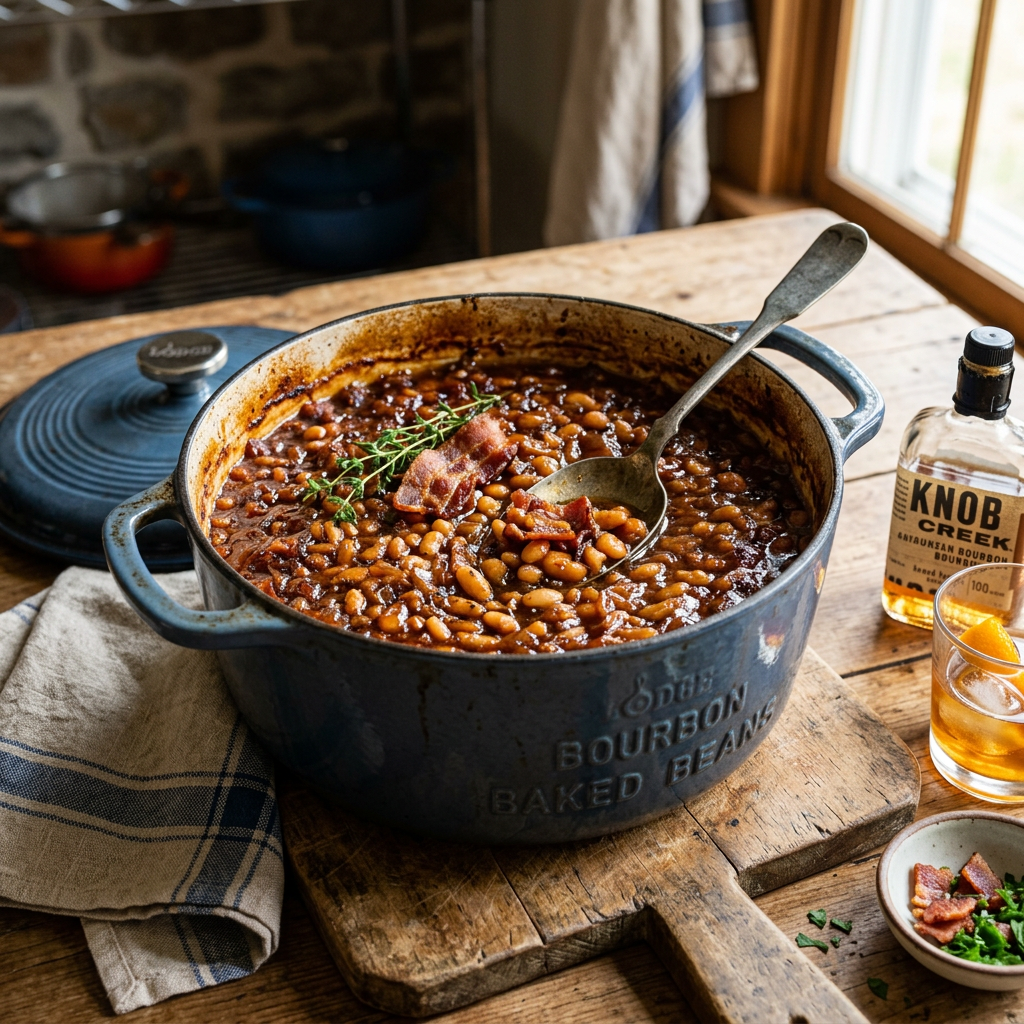
Dutch oven filled with rich bourbon baked beans garnished with bacon
Let’s keep the bourbon love going! Here’s a fun twist on baked beans—skip the soaking and grab canned beans for quick prep. Mix in your favorite barbecue sauce, and for an extra kick, try my homemade Bourbon Barbecue Sauce. Perfect for parties or a cozy night in, this recipe adds a delicious, spirited touch to your meal. Cheers to good food and great times!
Ingredients:
8 slices bacon, halved
1 medium onion, cut into small dice
1 medium green pepper, cut into small dice (Optional: add 1 diced jalapeno pepper for heat)
2 (15-ounce) cans of pinto beans, drained and rinsed
1 (15-ounce) can of navy beans, drained and rinsed
Adjust the oven rack to the lower-middle position and heat the oven to 400° F.
Fry bacon in a large, deep sauté pan or skillet until partially cooked, releasing about 1/4 cup of drippings.
Remove bacon from the pan and drain on paper towels. Set aside.
Add diced onions and peppers to the drippings in the pan and sauté until tender, about 5 minutes.
Add barbecue sauce, brown sugar, cider vinegar, coffee, mustard, and bourbon. Bring to a boil, remove from heat.
Add the beans and stir.
Pour the beans into a greased 13 x 9-inch pan or a large Dutch oven. Top with reserved bacon pieces. Bake uncovered for about 30 minutes until the edges bubble and the mixture thickens. If the beans seem too watery, bake for an additional 5 minutes. For a darker, caramelized top, briefly broil the dish for a minute or two.
Since canned beans are used, they tend to be slightly firmer. Lightly mash the beans with a spoon to break them up a bit. This helps create a texture similar to that of beans cooked for a longer time, making the dish more uniform and appealing.
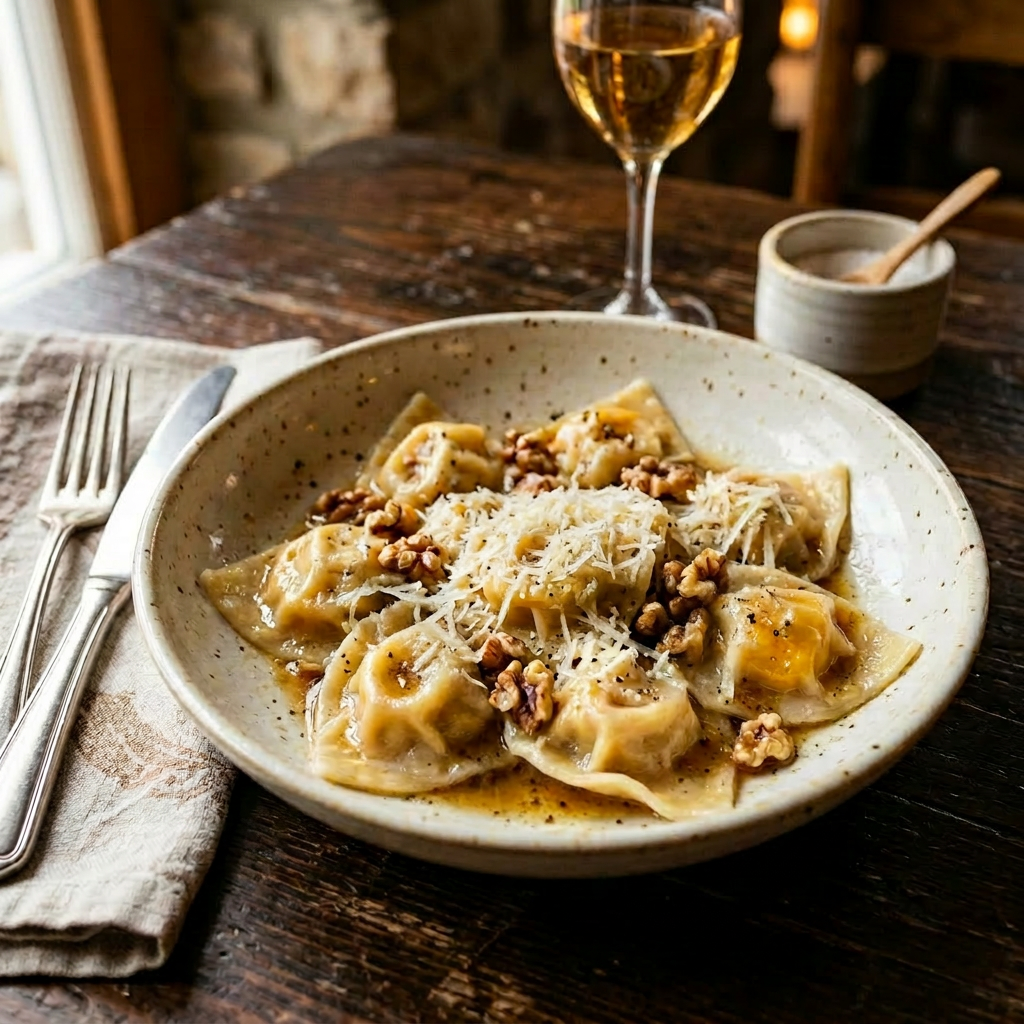
Embark on a delightful culinary adventure by transforming simple wonton wrappers into irresistibly tasty butternut squash dumplings! This fun and easy recipe combines the sweet, nutty flavor of roasted butternut squash with the delicate, chewy texture of wonton wrappers, creating a perfect bite-sized treat. Perfect for a cozy night in or impressing guests at your next gathering, this recipe proves that even simple ingredients can turn into a delightful culinary creation!
Place squash halves, cut sides down, on a foil-lined baking sheet coated with cooking spray.
Bake for 30 minutes or until tender. Cool. Scoop out pulp, discard peel. Mash pulp.
Combine oregano, squash pulp, and butter in a large bowl.
Stir in Parmesan cheese, salt, and pepper.
Working with 1 wonton wrapper at a time, spoon about 1 1/2 teaspoons of the squash mixture into the center of each wrapper.
Moisten edges of wrapper with beaten egg; bring 2 opposite corners together. Pinch edges together to seal, forming a triangle. Repeat procedure with remaining wrappers, squash mixture, and egg. Cover wonton ravioli loosely with a towel to prevent drying.
Bring 6 quarts of water to a boil in a large Dutch oven. Add half of the wonton ravioli; cook 3 minutes or until the ravioli begins to float to the top of the water.
Remove wonton ravioli with a slotted spoon. Repeat the procedure with the remaining ravioli.
Add ravioli to pesto; toss gently to coat.
Spinach Basil Pesto Ingredients
2 garlic cloves
1 1/2 cups of fresh baby spinach
1/2 cup fresh basil
1/4 cup walnuts, toasted, chopped, and divided
2 tablespoons of Parmesan cheese, freshly grated
2 tablespoons extra-virgin olive oil
2 tablespoons organic vegetable broth
1 teaspoon fresh lemon juice
Process
Place garlic in a food processor, and pulse until finely chopped.
Add cheese, 1/8 teaspoon salt, 1/4 teaspoon pepper, spinach, basil, and 2 tablespoons toasted walnuts to the food processor.
With the processor on, slowly pour oil, broth, and juice through the food chute. Process until well blended.
Plate with Wonton Ravioli. Arrange 6 ravioli on each of 6 plates: sprinkle each serving with 1 teaspoon walnuts, sprinkle with parmesan cheese.
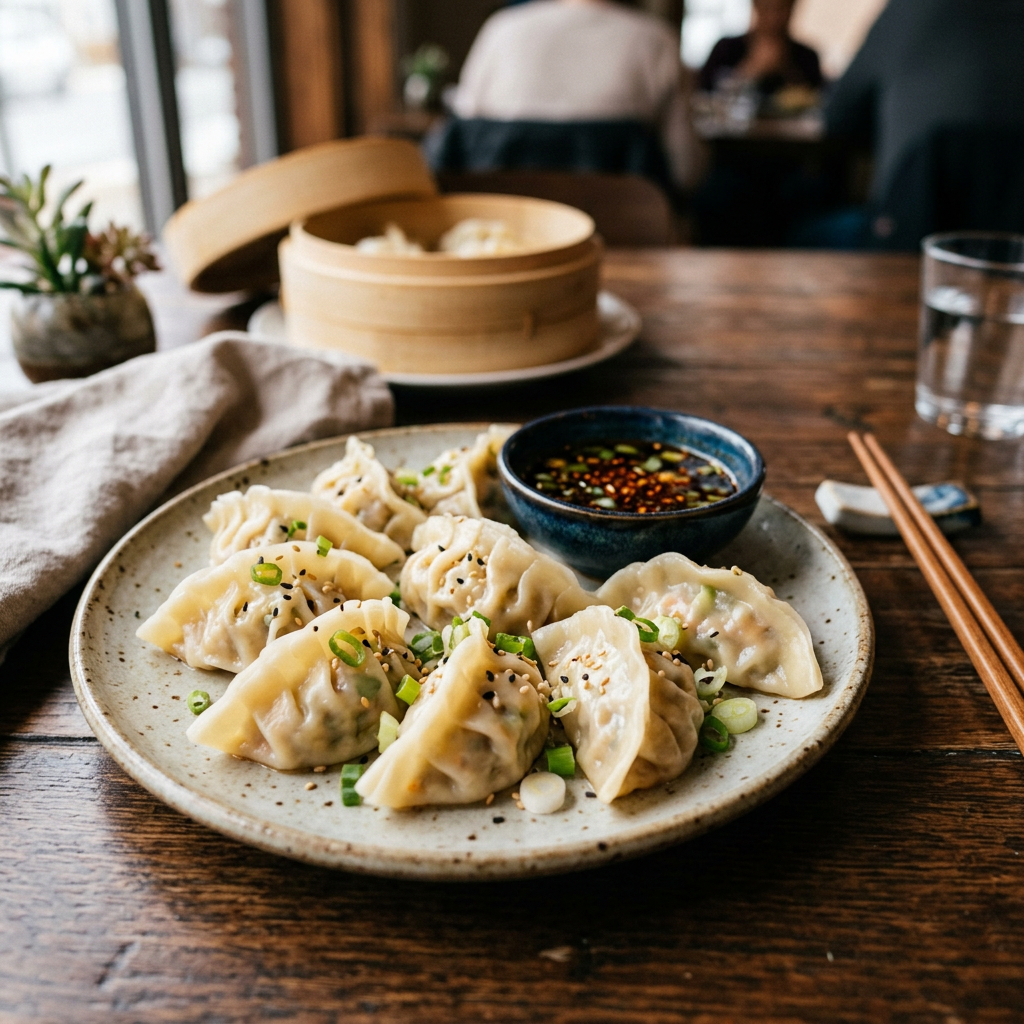
A plate of steamed dumplings served with soy-based dipping sauce
Making vegetable dumplings from wonton wrappers is a fantastic way to enjoy a homemade, customizable, and satisfying treat that’s sure to impress family and friends alike. This fun and easy recipe invites you to get creative with fresh vegetables, turning them into bite-sized pockets of flavor. Start by chopping a colorful mix of vegetables such as carrots, cabbage, and green onions. Sauté or steam the vegetables until tender, then season with soy sauce, sesame oil, and a hint of ginger for an extra zing. Next, spoon the flavorful filling onto each wonton wrapper, fold and seal to create perfect little parcels. Whether you prefer steaming, pan-frying, or boiling, each method offers a unique taste experience. These vegetable dumplings are not only a healthy snack but also a fun activity for cooks of all ages.
Ingredients
Cooking spray
2 teaspoons of Sesame oil (or olive oil)
1-1/2 cups of green cabbage, finely shredded
1/2 cup(s) carrot(s), shredded
2 cloves garlic, grated or pressed
1 teaspoon of grated ginger
1 scallion, minced
2 teaspoons of soy sauce
24 wonton wrappers
Process
Preheat oven to 350ºF. Coat a large baking sheet with cooking spray.
Heat oil in a large skillet over medium-high heat. Add cabbage, carrots, garlic, and minced scallion: sauté until cabbage wilts, about 2 minutes.
Remove from heat and stir in 2 teaspoons of soy sauce.
Place wonton wrappers on a flat surface. Drop vegetable mixture by teaspoonfuls onto the center of each wrapper. Moisten the edges of the wrapper with wet fingers, fold over one corner to form a triangle, and press the sides together to seal.
Transfer filled wrappers to the prepared baking sheet and coat the surface with cooking spray.
Bake for 15 minutes, or until the wontons are golden brown.
Sauce
¼ cup of soy sauce
1 minced scallion
1 teaspoon of seasoned rice vinegar
1 teaspoon of Sesame oil
In a small bowl, combine 1/4 cup of soy sauce, minced scallion, and sesame oil.
Golden-brown pierogies garnished with bacon bits and green onions, served over saurekraut with sour cream
Using Wonton wrappers is a fantastic shortcut for making pierogies, allowing you to create these delicious dumplings quickly and easily. Pierogies can be served boiled and then pan-fried or baked, and are best complemented with toppings like sautéed onions, sour cream, bacon, or fresh herbs like basil. Serve alongside kielbasa, sauerkraut, roasted vegetables, salads, or soups for a crowd-pleasing meal that is easy to make and enjoy.
Ingredients
2 russet potatoes, washed, peeled, and cut into 1-inch pieces
2 garlic clove(s) peeled and sliced lengthwise
½ cup diced onion
½ cup sharp cheddar shredded
2 – 3 Tbsp sour cream
Salt and pepper to taste
1 36-count package of wonton dumpling wrappers
2 tablespoons of butter for sautéing pierogies
Salt for boiling water
Directions
Combine cut potatoes and garlic in a medium saucepan. Cover with water, add 1 teaspoon of salt, and set the pan over high heat. Bring to a boil, lower the heat, and boil for 15-20 minutes until fork-tender.
In a small pan over medium heat, melt the butter and add the diced onions. Cook onions until soft and translucent. Remove from heat.
Drain and transfer the potato and garlic to a large bowl; add the cheese, onion, and sour cream, and salt and pepper to taste. Mash the mixture together. The mixture should not be dry; it should hold together so it can be scooped with a spoon, and it should not be loose or runny.
Place wonton wrappers on a flat surface. Add a large spoonful of filling in the center of each wrapper. Wet the edges with your fingers, fold the wrapper in half to form a semicircle, and press the edges to seal. To prevent the dumplings from drying out, cover with plastic wrap or place the dumplings on a flat cookie sheet and freeze until ready to use.
When you are ready to cook, bring a large pot of water seasoned with 1 teaspoon of salt to a boil. Drop the pierogies in the boiling water and stir. After 2 – 3 minutes, pierogies should float to the top and be finished cooking. Remove from the water with a slotted spoon and drain.
Heat a skillet with 2 tablespoons of butter on medium heat. When the butter is melted, drop the boiled pierogies into the melted butter and sauté until golden brown on either side.
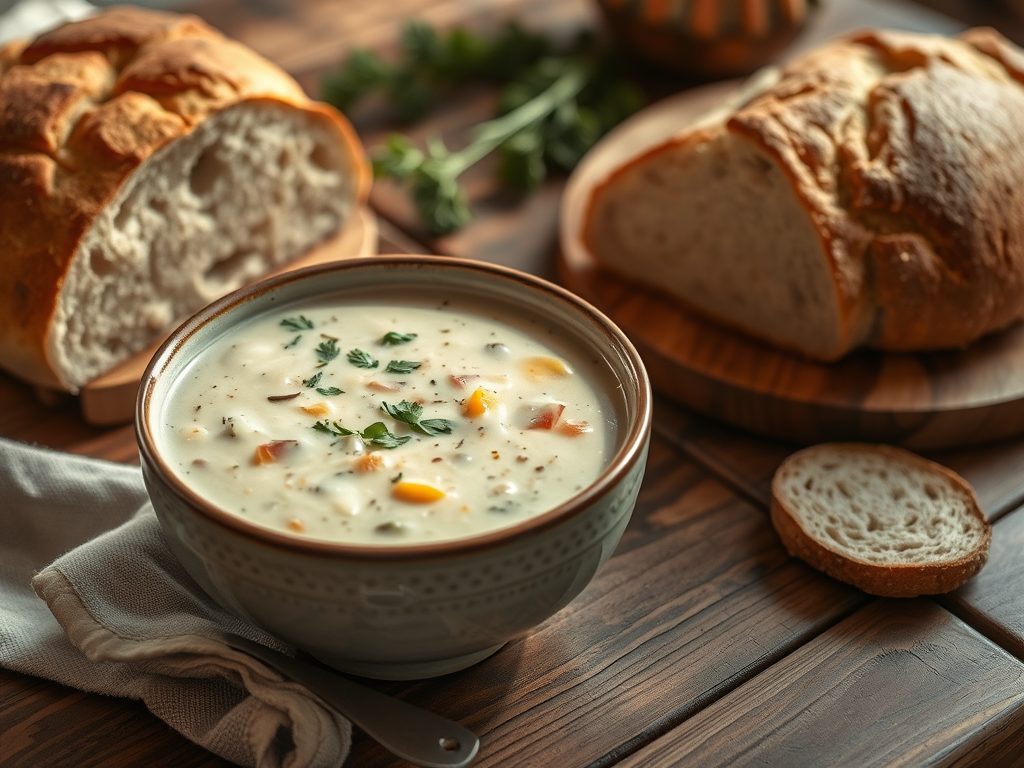
Homemade chicken stew is a comforting and hearty dish that has the power to transform your space into a warm, inviting haven. Crafted with tender chicken, fresh vegetables, and aromatic herbs, this stew embodies the essence of home-cooked comfort food. The slow simmering process allows the flavors to meld beautifully, creating a rich and savory aroma that fills every corner of your kitchen and living area.
Whether enjoyed on a chilly evening or as a weekend treat, chicken stew is a versatile dish that brings comfort and a sense of belonging. Its aroma not only satisfies the palate but also creates an environment that feels like a warm embrace, making your space smell like home and fostering a sense of well-being and contentment.
Ingredients
One 2- to 3-pound chicken fryer, cut up
3 carrots, diced
2 celery stalks, diced
1/2 medium onion, diced or 1 bag of frozen pearl onions
½ bag of frozen peas (optional)
1-1/2 teaspoon salt
1/4 teaspoon black pepper
1/2 teaspoon ground thyme
1/4 teaspoon turmeric
2 bay leaves
16 ounces egg noodles
2 teaspoons finely minced fresh parsley
Beurre Manié (recipe below) to thicken soup
Process
Put the chicken pieces in a large stock pot and cover the chicken with water. Add a teaspoon of salt.
Bring the water to a boil and then reduce the heat to low. Simmer for 45 minutes.
Remove the chicken from the pot. Set the chicken aside to cool briefly.
When cool enough to handle, shred the chicken with 2 forks, reserving the bones. Return the bones to the pot and boil for 25 minutes.
With a slotted spoon remove the bones from the pot and discard. Reserve the liquid in the pot.
Add the shredded chicken, carrots, celery, onions and peas to the pot. Then add ½ teaspoon salt, pepper, thyme, bay leaves and turmeric. Bring the mixture to a gentle boil and then reduce the heat and simmer for 10 minutes. Stir in the noodles.
Simmer until the noodles are tender, about 15 minutes. Remove the bay leaves with a slotted spoon.
Add the Beurre Manié to thicken the broth gradually, this method allows you to control the thickness more precisely and adds a rich flavor without the risk of lumps. Let stew simmer for 5 minutes and then taste the stew and add more salt or pepper to taste. Sprinkle the minced parsley on top and serve with a rustic loaf of bread and butter.
Beurre Manié
Ingredients
2 tablespoons of flour
2 tablespoons of salted butter, room temperature
Process
Mix the flour and softened butter together with a fork or hands.
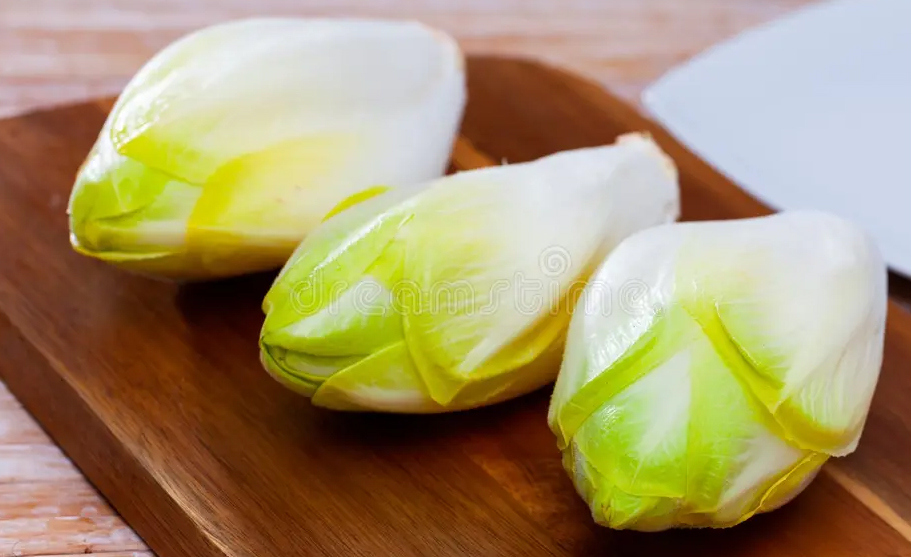
How to cook endive. Endive belongs to the chicory genus, which includes several similar bitter leafed vegetables. I am talking about the little bullet shaped endives, not the curly leaf or chicory. Endives are rich in many vitamins and minerals, especially in foliate and vitamins A and K, and are high in fiber. Endive has a bitter-sweet taste, but I thought it was very savory, almost nutty. I served it up with my baby potatoes and flounder; it made a very filling side dish. Let your kids eat these little “boats” with their fingers. Make it fun.
Here are a few suggestions on how to enjoy your endive:
Baked endive:
Preheat oven to 375° F.
Slice endive lengthwise, remove core. Keep the root end intact as it will hold the leaves together after slicing.
Brush both halves with olive oil.
Slice a fresh garlic clove into very thin slices and place the slices in between the endive leaves.
Sprinkle with kosher salt and pepper, and a little garlic powder.
Bake at 375°F. for 20 minutes.
Remove them from the oven and sprinkle balsamic vinegar over them.
Pan braised endive:
Slice your endives in half.
Sprinkle cut side with kosher salt and pepper, and any other seasoning you might like.
Melt 1 tablespoon of butter in a heavy pan along with 1 tablespoon coconut oil.
Place the endive halves cut side down in the pan, cook on medium-high heat until they are brown.
Add ½ cup chicken broth and simmer until almost all liquid is gone. Remove from pan sprinkle with Kosher salt, and drizzle with balsamic vinegar
Maple glazed endive:
Preheat oven to 350°F.
Halve 6 small endives, remove as much of the core as possible.
Arrange endive into one layer on a baking sheet with raised edges.
In a small saucepan, melt 2 tablespoons of butter then stir in 2 tablespoons of real maple syrup, 2 teaspoons of thyme and ¼ teaspoon salt. When hot, pour over the endive and bake until tender and the edges begin to brown, 20 to 25 minutes.