Category Archives: Fun Stuff

Cooking Endive

EndiveI received two little endives in my bountiful basket and wanted to do something special with them rather than just cut them up and add to my salad. I decided to cook them. Endive belongs to the chicory genus, which includes several similar bitter leafed vegetables. I am talking about the little bullet shaped endives, not the curly leaf or chicory. Endive is rich in many vitamins and minerals, especially in foliate and vitamins A and K, and is high in fiber. Endive has a bitter-sweet taste, actually I thought it was very savory, almost nutty. I served it up with my baby potatoes and flounder; it made a very filling side dish. Let your kids eat these little “boats” with their fingers. Make it fun.
endive2Here are a few suggestions on how to enjoy your endive:
1. Slice endive in half lengthwise; I kept the root end intact as it will hold the leaves together after sliced. I brushed both halves with olive oil, and sliced a fresh garlic clove into very thin slices and put the slices in between the endive leaves. I sprinkled with kosher salt and pepper, and a little garlic powder. I put my endive in my small oven with my potatoes at 375 degrees for about 20 minutes. When I removed them from the oven I sprinkled some balsamic vinegar over them.

2. Slice your endives in half. Sprinkle cut side with kosher salt and pepper, and any other seasoning you might like. Melt 1 tablespoon of butter in a heavy pan along with 1 tablespoon coconut oil. Place the endive halves cut side down in the pan, cook on medium-high heat until they are brown. Add ½ cup chicken broth and simmer until almost all liquid is gone. Remove from pan sprinkle with Kosher salt, and drizzle with balsamic vinegar
3. Brush sliced endive with olive oil, sprinkle with kosher salt and pepper, a little Parmesan cheese and grill on the BBQ until lightly brown on both sides.

Maple Bacon

maple baconMaple glazed bacon, who doesn’t love the smell and taste of bacon, dress it up with a coating of pure maple glaze and you have a gourmet dish or appetizer. Glazed maple bacon can add a savory note to desserts, just crumble the bacon into maple flavored frosting for cupcakes.  Or consider sweet and savory appetizers; wrap maple bacon around sweet potato slices, or asparagus before baking. Wrap around prawns or cream cheese stuffed jalapeno peppers, or small smokey links before baking. Maple syrup adds a sweet note to thick-cut bacon slices, which are obviously delicious served right  alongside pancakes, eggs or waffles.

Ingredients

  • 1/4 cup maple syrup (use the real stuff)
  • 12 slices good-quality thick-cut bacon
  • coarse ground pepper (optional)

Directions

Preheat the oven to 375 degrees F. Line a baking sheet with a silicone baking mat or parchment paper.

  1. Pour the maple syrup into a shallow bowl and give each bacon slice (both sides) a generous dip in the syrup.
  2. Lay the bacon on the prepared baking sheet. Sprinkle with pepper if desired.
  3. Bake for 20 minutes. Flip the bacon over and bake until it is crisp at the edges and caramelized on the bottom, another 10 to 15 minutes.*Note: this cooking time is depending on the thickness of your bacon, keep an eye on it while baking so it does not burn, especially if using a thinner bacon.
  4. Remove the baking sheet from the oven.
  5. Lift the slices from the liner so they don’t stick after cooling. Cool for about a minute, transfer to a long platter to serve.

Chocolate Coconut Clusters


Coconut Oil

Coconut Oil

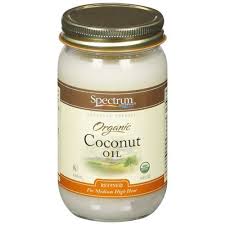
In the never ending quest for healthy food and a healthier diet I have been convinced by my son and his wife to try Coconut oil in place of vegetable, or canola oil, and even butter. I did my research and have found that Coconut oil can positively affect our hormones for thyroid and blood-sugar control. People who eat coconut oil also tend to have improvements in how they handle blood sugar since coconut can help improve insulin use within the body. Coconut oil can boost thyroid function helping to increase metabolism, energy and endurance. It increases digestion and helps to absorb fat-soluble vitamins.
Coconut oil lowers cholesterol by promoting its conversion to pregnenolone, a molecule that is a precursor to many of the hormones our bodies need. Coconut oil can help restore normal thyroid function. When the thyroid does not function optimally, it can contribute to higher levels of bad cholesterol. Use Coconut oil to fry with, to bake with and to add to everyday dishes like Oatmeal, tea, or coffee. Use on vegetables in place of spreads or butter, Coconut oil is a great moisturizer for hair and skin, use organic if using on skin or for massage. Studies have shown that you can consume to 2 tablespoons daily for healthy benefits.

Chocolate Coconut Clusterscoconut clusters

Ingredients:

  • 1 (5 oz) bag Flaked or shredded coconut- unsweetened
  • 2/3 cup melted coconut oil + 1 TBSP
  • 1/2 cup almond butter
  • 1 tsp vanilla
  • 1 cup dark chocolate or semi-sweet chocolate chips

Directions:

  1. In medium bowl, mix coconut flakes, 2/3 cup melted coconut oil, vanilla, and almond butter until well mixed.
  2. Using hands, form into 1 inch balls and put on a plate.
  3. Put the plate in the freezer until the clusters harden completely.
  4. Once the clusters have hardened, melt the chocolate in a double boiler with 1 TBSP coconut oil until smooth.
  5. Dip the clusters into the chocolate and put back on a plate or in a small baking dish
  6. Put them into refrigerator and eat once they get cold.
  7. Enjoy the awesome mixture of crunchy chocolate shell and chewy coconut center!

Vanilla Butter

I love using my favorite spice, vanilla bean.  I have offered other culinary delights using vanilla beans to this blog. Do a search for Vanilla, you will find recipes for: Vanilla Bean Syrup, Vanilla Bean Sugar, Vanilla Extract, Vanilla Bean Sugar Cubes, Vanilla Bean Sea Salt, Vanilla Bourbon Sauce.  Any of these items packaged nicely would be a wonderful gift during the holidays.  Enjoy

Vanilla Butter

Ingredients:

  • 1 stick butter, softened
  • 2 tablespoons brown sugar
  • 1 whole vanilla bean

Directions:

  1. Whip the softened butter, and sugar, mixing with an electric mixer until the sugar dissolves and butter is fluffy.
  2. Add the caviar from the vanilla bean by splitting the bean lengthwise with a sharp knife, stir the seeds into the butter until totally combined.
  3. Serve with warm biscuits, muffins waffles, or pancakes.
  4. Store butter in refrigerator.

The fun with this butter is that you can add other ingredients to the butter after whipping with the sugar and vanilla bean.  Some suggestions are: 1 tablespoon of honey, Bourbon, or ground roasted almonds.  Consider using fine white sugar in place of the brown sugar and add a tablespoon of organic lavender flowers, purple chive flowers, chopped rose petals, or marigold petals.  Whatever the occasion calls for.  Use your imagination but be sure if you do add flowers, they are edible.

Chipotle Aioli

Chipotle Aioli:
1 clove garlic
1 canned chipotle chile in adobo sauce, drained
1 cup mayonnaise
Squeeze of fresh lime juice
Kosher salt and freshly ground black pepper

Chipotle Aioli:

Put the garlic and chipotle in a food processor and puree until very smooth. Add the mayonnaise and lime juice and blend until smooth; season with salt and pepper. Store in an airtight container for up to 1 week.

Spread a thin layer of Chipotle Aioli on the cut sides of the rolls and put them on a baking sheet, cut-sides up. Broil until the aioli browns slightly and the rolls are toasted on the edges


Cinnamon Cream Cheese Roll-ups

Cinnamon Cream-cheese Roll-ups

Cinnamon Cream-cheese Roll-ups

Sometimes we just need something quick to prepare to satisfy that sweet tooth.  These decedent desserts are made with bread believe it or not.  Dough is dough. The best part is you can make them for unexpected guests and pop them in the freezer. Very quick and easy.

My dad used to bring home hot, fresh out of the oven glazed doughnuts every Sunday morning as a treat after church.  Not healthy, but yummy and the funny thing was, we were not over weight as children. I guess that was because we were outside playing a lot.  We burned off those calories quick.  So before you indulge your sweet tooth, consider your lifestyle, if you are active, walk, hike, or exercise maybe a treat once in a while isn’t so bad.

Cinnamon Cream Cheese Roll-ups

Ingredients

  • 20 slices quality white bread, crusts removed (you can find high fiber white bread)
  • 8 oz package cream cheese, softened
  • 1 large egg
  • 1 cup sugar, divided
  • 1 1/2 teaspoons ground cinnamon
  • 1/4 cup butter, melted

Alternative ingredients might be jelly or jam, or lemon curd – make a “jelly roll-up”, bake and drizzle with a sugar glaze. Recipe below

Directions
Heat oven to 350 degrees
Line 2 baking sheets with parchment paper

  1. Roll out bread slices with a rolling pin until flattened; arrange on work surface
  2. Beat together cream cheese, egg and 1/4 cup sugar
  3. Combine remaining 3/4 cup sugar and cinnamon in a shallow bowl or pie plate
  4. Divide cream cheese mixture onto bread, spreading about 1 level tablespoon on each
  5. Roll up bread to enclose filling
  6. Brush rolls all over with butter and roll in cinnamon sugar mixture. Arrange on prepared baking sheets. (To make ahead, prepare to this step and cover baking sheets with aluminum foil. Freeze. Do not thaw roll-ups before baking.) Bake until the roll-ups begin to puff, 15 to 18 minutes
  7. Serve warm.

Sugar Glaze
Mix Together:

  • 1 1/4 cups confectioners’ sugar
  • 3 tablespoons milk
  • 1/2 teaspoon of vanilla extract

Salt (Na Cl) Uses and Tips

Uses for salt

Uses for salt

Salt, we take it for granted, did you know that the word salad literally means “salted”, and comes from the ancient Roman practice of salting leaf vegetables. In Africa, salt was used as currency south of the Sahara, and slabs of rock salt were used as coins in Abyssinia. Moorish merchants in the 6th century traded salt for gold, weight for weight. We know salt melts ice in winter, we know salt seasons food, we know salt causes rust on metal, but did you know there is a way to use salt to remove rust.  Salt is awesome, salt – a mineral substance composed primarily of sodium chloride (Na Cl).

Check out these other great uses for salt in the home.

  • Test egg freshness: Put two teaspoons of salt in a cup of water and place an egg in it — a fresh egg will sink, an older egg will float. Because the air cell in an egg increases as it ages, an older egg is more buoyant. This doesn’t mean a floating egg is rotten, just more mature. Crack the egg into a bowl and examine it for any funky odor or appearance — if it’s rotten, your nose will tell you. (Bonus fact: if you have hard-boiled eggs that are difficult to peel, that means they are fresh!)
  • Set poached eggs: Because salt increases the temperature of boiling water, it helps to set the whites more quickly when eggs are dropped into the water for poaching.
  • Prevent fruits from browning: Most of us use lemon or vinegar to stop peeled apples and pears from browning, but you can also drop them in lightly salted water to help them keep their color.
  • Shell nuts more easily: Soak pecans and walnuts in salt water for several hours before shelling to make it easier to remove the meat.
  • Prevent cake icing crystals: A little salt added to cake icing prevents it from sugaring.
  • Remove odors from hands: Rrubbing them on anything made of stainless steel (it really works), but you can also rub your fingers with a salt and vinegar combo.
  • Reach high peaks: Add a tiny pinch of salt when beating egg whites or whipping cream for quicker, higher peaks.
  • Extend cheese life: Prevent mold on cheese by wrapping it in a cloth moistened with saltwater before refrigerating.
  • Clean teeth: Use one part fine salt to two parts baking soda — dip your toothbrush in the mix and brush as usual. You can also use the same mix dissolved in water for orthodontic appliances.
  • Ease mouth sores: For cankers, abscesses, and other mouth sores, rinse your mouth with a weak solution of warm saltwater several times a day.
  • Relieve bee-sting pain: Ouch? Immediately dampen area and pack on a small pile of salt to reduce pain and swelling.
  • Treat mosquito bites: A saltwater soak can do wonders for that special mosquito bite itch  a poultice of salt mixed with olive oil can help, too.
  • Treat poison ivy: Same method as for treating mosquito bites. (Salt doesn’t seem to distinguish between itches.)
  • Ease throat pain: Mix salt and warm water, gargle to relieve a sore throat.
  • Extinguish grease fires: Keep a box of salt near your stove and oven, and if a grease fire flares up, douse the flames with salt. (Never use water on grease fires; it will splatter the burning grease.) When salt is applied to fire, it acts like a heat sink and dissipates the heat from the fire — it also forms an oxygen-excluding crust to smother the fire.
  • Drip-proof candles: If you soak new candles in a strong salt solution for a few hours, then dry them well, they will not drip as much when you burn them.
  • Keep cut flowers fresh: A dash of salt added to the water in a flower vase will keep cut flowers fresh longer. (You can also try an aspirin or a dash of sugar for the same effect.)
  • Make play dough: Use 1 cup flour, 1/2 cup salt, 1 cup water, 2 tablespoons oil, and 2 tablespoons cream of tartar. Stir together flour, cream of tartar, salt, and oil, and slowly add water. Cook over medium heat stirring frequently until dough becomes stiff. Spread onto wax paper and let cool. Knead the dough with your hands until it reaches a good dough consistency.
  • Kill poison ivy:  Mix three pounds of salt with a gallon of soapy water (use a gentle dish soap) and apply to leaves and stems with a sprayer, avoiding any plant life that you want to keep.
  • Salt works as an effective yet gentle scouring agent: Salt also serves as a catalyst for other ingredients, such as vinegar, to boost cleaning and deodorizing action. For a basic soft scrub, make a paste with lots of salt, baking soda and dish soap and use on appliances, enamel, porcelain, etc.
  • Remove water rings:  Gently rub a thin paste of salt and vegetable oil on the white marks caused by beverage glasses and hot dishes on wooden tables.
  • Clean brass or copper: Mix equal parts of salt, flour, and vinegar to make a paste, and rub the paste on the metal. After letting it sit for an hour, clean with a soft cloth or brush and buff with a dry cloth.
  • Clean a glass coffee pot: Every diner waitress’ favorite tip: add salt and ice cubes to a coffee pot, swirl around vigorously, and rinse. The salt scours the bottom, and the ice helps to agitate it more for a better scrub.
  • Remove blood stains:Soak the stained cloth in cold saltwater, then launder in warm, soapy water and boil after the wash. (Use only on cotton, linen, or other natural fibers that can take high heat.)
  • Stained Coffee and Tea cups: Pour half a teaspoon of salt into a stained coffee cup or teacup, scrub with a dry paper towel, then rinse. The alkaline in the salt gets rid of stains like magic. I tried it – it worked.
  • Rust: make a paste of six tablespoons salt and two tablespoons lemon or lime juice on a dry cloth to wipe away rust from almost anything. Use on bicycles, outdoor furniture, and tools. Rinse and dry thoroughly.
  • Wine stains: Blot the area with a dry cloth, then pour on a heaping mound of salt – it’ll help lift the stain off the fabric. Let it sit for 30 minutes, then blot clean with cold water and wash.
  • Stinky kitchen drains: add a heaping tablespoon of salt to a quart of boiling water, then pour it down the drain to clear away odor-causing grease and bits of food.
  • Clean a cast iron skillet: Add a splash of water and a teaspoon of kosher salt to a cast-iron skillet then use a paper towel to wipe off food without causing the pan to lose its seasoning.
  • Get rid of slugs: Lure slugs away from grass and flowers by placing a citrus rind facedown in the soil, the slugs will gather under the cool, moist space – then drop them into a bucket of salt water. *(Montana doesn’t have slugs, we just have rattle snakes)

Homemade Marshmallow Fluff

Marshmallow Fluff

Marshmallow Fluff

Marshmallow creme is an American food item. It is a very sweet, spreadable, marshmallow-like confection. Marshmallow creme and peanut butter are used to create a Fluffernutter sandwich. In addition, marshmallow creme and Nutella can be spread on graham crackers to emulate s’ mores – a tasty fireside treat.  I have also used Marshmallow fluff to fill whoopee pies and icing chocolate cake.  You can take a pastry tip and fill cupcakes with marshmallow fluff for a yummy, sweet treat.  Or take a spoon and just dig in.  Enjoy.


Homemade Marshmallow Fluff

Ingredients

  • 3 large egg whites
  • 1/2 teaspoon cream of tarter
  • 2 tablespoons sugar
  • 3/4 cup golden corn syrup
  • 2/3 cup granulated sugar
  • 1/2 teaspoon vanilla extract

Directions

  1. In a heavy duty mixer, with whisk attachment, beat the egg whites and cream of tartar until foamy.
  2. Add 2 tablespoons of sugar and beat until soft peaks form, set aside.
  3. Meanwhile, in a saucepan, add 1/3 cup water, corn syrup, and 2/3 cup sugar.
  4. Cook over medium heat while stirring until the mixture reaches firm ball stage (instructions below) or 248 degrees on a candy thermometer. This step will take about 15 minutes.

(To test for firm ball stage:  Fill a glass with cold water and drop a small spoonful of the mixture into the cold water. Remove the mixture from the cold water and it should hold its shape, but quickly flatten)

  1. Once the corn syrup mixture has reached firm ball stage, turn the mixer onto medium and in a slow steady stream; pour the corn syrup mixture into the beaten egg whites.
  2. Once all of the corn syrup mixture has been added, beat on high for 5 minutes.
  3. Add vanilla extract and beat on high 1 minute
  4. Store in a tightly sealed container

Recreating The Salad

saladHow to build a salad for lunch or dinner

It never fails, when I sit down at work to eat my lunch someone will comment, your salad smells and looks so good, can I pay you to make one for me.  I allow time in the morning to make my lunch, which is usually ½ hour.  If you build your salad the night before do not add the lettuce or dressing, add that in the morning.  At lunch all I have to do is shake my container to distribute my dressing and eat. My unusual salads typically contain any and all leftovers from dinner during the week, things someone would not typically put in a salad, what I get is a plethora of wonderful vegetables marinating in a dressing of:

Dressing:

  • A sprinkling of kosher salt,
  • A dash of pepper,
  • A sprinkle of garlic powder,
  • 2 teaspoons of olive oil,
  • 2 teaspoons of balsamic vinegar, apple cider vinegar, or wine vinegar

 Directions:

I mix all of my vegetables and the dressing together and then add my layer of dry salad greens on top, about 2 cups. I do not mix my lettuce into the dressing as the greens will wilt by lunch time. There is no right or wrong ingredient to add to a salad, I have mixed fruit and vegetables. Things you can add to a salad include the following, canned, frozen or fresh:

Cucumber, shredded cabbage, chives, sliced leek, scallions or sliced onion, jarred roasted red pepper, olives, 1/2 sliced avocado, sliced or quartered mushrooms, left over vegetables; broccoli, cauliflower, mixed vegetables, green beans, peas, canned artichokes, celery, canned beans, carrots, celery, beets, baby corn, alfalfa sprouts, bean sprouts, quartered tomato, sun dried tomatoes, pasta, Pomegranate seeds, asparagus. I have sliced peaches, apples, oranges, strawberries, raspberries, blackberries, etc. and added them to my vegetables. What ever you love to eat.

For protein: A ¼ cup canned white beans, black beans or chick-peas, cheese, hard boiled egg, cooked chicken, left over pork, or beef,  If you use tuna or salmon, pack it in another container or plastic bag and add to your salad at lunch. Add walnuts, peanuts, sunflower seeds etc.  All you need is a 1/4 cup of any protein.

You can put anything you love to eat in a salad.  It is fresh, and filling and it is a meal.  I think the salad is underrated. Don’t eat a boring salad, get rid of the iceberg lettuce, buy a bag of mixed greens, spring mix or use fresh spinach.  Ditch the bottled salad dressing, the flavor of olive oil and balsamic vinegar is amazing and healthier.  Add chopped fresh basil and parsley to your dressing.  Create or rather recreate the healthy salad.  Make it your own – Enjoy!

*To steam fresh vegetables; add to a microwaveable container with a tablespoon of water and cook on high for 2 minutes, remove from microwave and add ice cold water to stop the cooking. Vegetables will be crisp-tender.

Oven Roasted Tomatoes

Roasted Tomatoes

Roasted Tomatoes

It is that time of year where tomatoes are in abundance especially on the East coast where I am from.  Here is a wonderful recipe for roasting your tomatoes, you can then use them in sauces, soups, gravies, appetizers or freeze them.  Try roasting cherry tomatoes for bruschetta. Roasting tomatoes brings out the sweetness in the tomato and just gives it a rustic, hearty flavor.

OVEN ROASTED TOMATOES

This recipe can easily be increased. The important thing is to use a baking dish or pan big enough so that you do not crowd the tomatoes. You want room between them for the moisture to escape, which will concentrate the tomato flavor.

If you use a metal pan, make sure it’s not aluminum or made of another material that might react with the acidic fruits.

 Ingredients

  • 2 tablespoons olive oil
  • ½ tsp of sea salt or kosher salt
  • ¼ tsp of ground pepper
  • 2 cloves garlic, peeled and thinly sliced (throw some unpeeled whole garlic cloves in the pan to roast, you can squeeze the soft garlic out of the clove after the roasting and add to your favorite dish)
  • Fresh herbs; basil, oregano, thyme, rosemary – mix or add your favorite herb
  • 1 pound (450g) tomatoes, (8 small or 4 medium-sized)

 Directions

  1. Preheat the oven to 325ºF
  2. Pour the olive oil into a shallow baking dish or pan and add the herbs and salt and pepper
  3. Cut the tomatoes in half horizontally, then use a sharp knife to remove the stems. (note: stems will come out easy after roasting)
  4. Toss the tomatoes with the oil and seasonings, lay them cut side down in the dish.
  5. Bake for two hours, or until the tomatoes are completely softened and wilted, and start to wrinkle. Depending on the tomatoes, they may take longer to cook.

    Storage: The tomatoes will keep for about five days in the refrigerator. They can also be frozen for up to six months.