Tag Archives: recipe

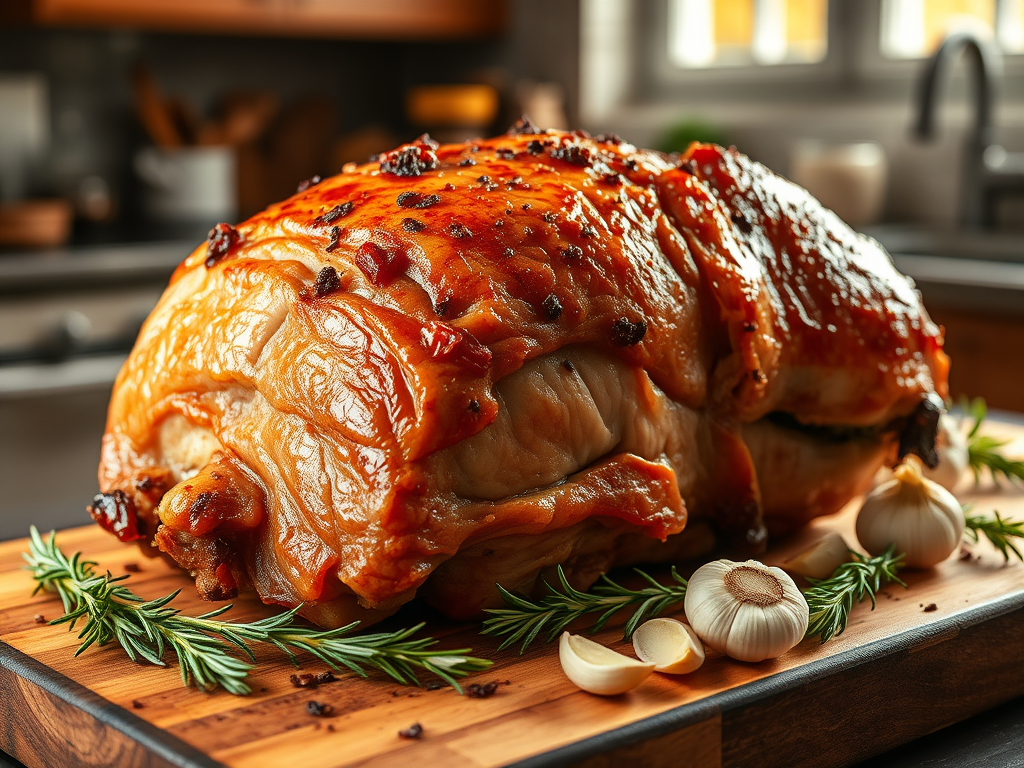
Roasted Pork Shoulder

Tender Roasted Pork Shoulder
Roasted Pork Shoulder

The Pennsylvania Dutch started the tradition of eating pork and sauerkraut on New Year’s Day. This tradition is linked to hopes for good luck and prosperity in the coming year.

Eating sauerkraut on New Year’s Eve is a common practice in Germany. People believe that eating sauerkraut will bring blessings and wealth. Before the meal, people at the table wish each other good fortune and money, symbolized by the amount of shredded cabbage in the dish. The pig is also a symbol of good luck and well-being. Many believe that eating pork will bring luck for the new year. The pig is seen as a symbol of looking forward because it cannot turn its head from side to side or look behind. Instead, it faces forward, reminding us to focus on future opportunities rather than past events.

Ingredients

  • 9-10 lb bone-in Pork Shoulder
    • Bake 1.5 – 2.0 hours per pound in a low heat oven (250° – 275°F.)
    • Will take about 8 – 12 hours to cook
    • It is done when an internal meat thermometer reaches 195 – 205°F. for shredded pulled pork.
    • Or 160°F. for slicing.

Seasoning

  • 2 tablespoons coarse salt to season overnight
  • 4 – 6 garlic cloves
  • 1 tablespoon coarse salt
  • ½ tablespoon fresh cracked peppercorns
  • 1-1/2 tablespoon ground mustard
  • 1-1/2 tablespoon onion powder
  • 3 tablespoons of minced fresh rosemary

Process

  1. Rub the pork shoulder with 2 tablespoons of coarse salt all over, tie it, wrap it air-tight with cellophane, place in a sheet pan or roasting dish, and refrigerate overnight.
  2. Pull the pork out of the refrigerator about 30 minutes before cooking to bring to room temperature.
  3. Preheat the oven to 450°F. line the bottom of a roasting pan with aluminum foil for easy clean up and fit a roasting rack inside the pan.
  4. Cut each garlic clove into slivers. With a small knife poke holes in the pork that are about ½ inch deep (or the length of the garlic clove) to create slits and push the garlic sliver into each slit.
  5. Mix the seasoning together and rub into the pork shoulder, seasoning on all sides.
  6. Place the seasoned pork onto the roasting rack in the pan.
  7. Tent the roast with aluminum foil.
  8. Place the pan into the oven and let it roast for 15 minutes at 450°.
  9. Lower the heat to 275°F.  and let it slowly cook until it reaches the tender internal temperature of 200 – 203°F. internal temperature.
  10. REMOVE foil from meat the last hour of cooking to crisp the skin.
  11. Pull pork out of the oven, tent with aluminum foil and let rest for up to 1 hour.

Citrus Salmon

Experience the exquisite flavor of a perfectly prepared orange glazed salmon fillet. This dish features a tender, flaky salmon fillet coated with a vibrant, sweet, and tangy orange glaze that enhances its natural richness.

The bright, citrusy notes of the orange glaze complement the oily flesh of the salmon, creating a harmonious and flavorful experience that appeals to a wide range of palates. Whether prepared for a casual dinner or a special occasion, this orange glazed salmon fillet is sure to impress with its vibrant presentation and delicious taste.

Ingredients

  • 1 tablespoon extra virgin olive oil
  • 4 salmon fillets, 4 to 6 ounces each and about 1 inch thick
  • 1 teaspoon kosher salt
  • ½ teaspoon fresh ground black pepper
  • 1 tablespoon minced garlic, about 3 cloves
  • 2 to 3 sprigs fresh rosemary
  • 1/2 cup fresh orange juice, (from about 2 oranges)
  • Orange zest from 2 oranges
  • 1/4 cup honey
  • 1 tablespoon cornstarch
  • 3 tablespoons water

Directions

  1. Place a large cast-iron skillet over medium-high heat. Add 1 tablespoon extra-virgin olive oil and heat until hot.
  2. Sprinkle the salmon fillets evenly with 1 teaspoon kosher salt and ½ teaspoon fresh ground black pepper.
  3. Add the salmon fillets to the hot skillet, skin-side down. Cook for 3 to 4 minutes per side, until golden on the outside and just cooked through. Transfer salmon to a plate.
  4. Reduce the heat to medium-low.
  5. Add 1 tablespoon minced garlic to the skillet and cook for about 30 seconds, stirring constantly, until fragrant.
  6. Add the rosemary sprigs, ½ cup fresh orange juice, ¼ cup honey, 1 tablespoon cornstarch, and 3 tablespoons water to the skillet. Stir constantly for 1 to 2 minutes, until the glaze thickens and turns glossy.
  7. Return the salmon to the skillet and spoon the orange glaze over the fillets until well coated.

Note: The orange glaze can be made up to 1 day ahead and reheated gently before adding the salmon. If the glaze thickens when it cools add 1 – 2 tablespoons of water or orange juice.

Cooking a City Ham for the Holidays

The main difference between city ham and country ham is how they are cured. Country hams are dried and cured with salt and seasonings over several months. This slow process makes them saltier and gives them a strong, unique flavor. They tend to be dry and are best sliced very thin, like prosciutto. City hams are soaked in a salty water solution for a shorter time, which keeps them moist and tender. They are milder in flavor and can be sliced thicker. The curing method affects the taste, texture, and how each ham is served. Country ham has a salty, intense flavor and is good for appetizers or charcuterie boards. It is often used in small slices. City ham is more versatile, suitable for sandwiches, main dishes, or breakfast. It has a milder taste and is easier to slice in thicker pieces. When choosing between the two, consider the flavor you want and how you plan to serve the ham. Both types are popular and can be the main part of a meal. Proper preparation can make either type of ham more enjoyable for different occasions.

Applying a glaze to your ham during the final stages of cooking enhances its appearance and flavor, resulting in a caramelized, lightly crisp exterior. It is important to time the glazing appropriately; applying it too early, especially during prolonged cooking, can lead to burning and an undesirable burnt glaze.

Ingredients

  • 1 city style (brined) ham, hock end
  • ¼ cup brown mustard
  • 2 cups dark brown sugar
  • 1-ounce bourbon (poured into a spritz bottle)
  • 2 cups of crushed ginger snap cookies

Directions

  1. Heat oven to 250°F.
  2. Remove ham from bag, rinse and drain thoroughly. Place ham, cut side down, in a roasting pan. Using a small parting knife score the ham from bottom to top, spiraling clockwise as you cut. Be careful to only cut through the skin and first few layers of fat. The aim is to create a diamond pattern all over the ham.
  3. Tent the ham with heavy duty foil, cook for 3 to 4 hours or until the internal temperature at the deepest part of the meat registers 130°F.
  4. Remove ham from oven and remove the aluminum foil. Using tongs, pull away the diamonds of skin and any sheets of fat that come off with them.
  5. Heat oven to 350° F.
  6. Dab the ham dry with paper towels and then brush on a liberal coat of mustard, using a basting brush. Sprinkle on the brown sugar, packing loosely as you go until the ham is coated. Spritz this layer lightly with bourbon, then loosely pack on as much of the cookie crumbs as you can.

Insert the thermometer and cook until the interior temperature reaches 140°F. approximately one hour.

Let the ham rest outside of the oven for ½ hour before slicing.

Oyster Stuffing

The history of oyster stuffing dates back to at least 1685, when it was first mentioned in the cookbook The Accomplisht Cook in London. Traditionally, the stuffing was placed under the skin of the bird, a common practice at the time. By 1796, culinary advice suggested stuffing the cavity of the bird instead. Different regions have their own preferred types of stuffing: Southerners often favor pecan, rice, or cornbread; Italians typically include sausage; and Germans enjoy dried fruit, potatoes, and apples. I personally discovered an oyster stuffing recipe many years ago and decided to try it. I am pleased to say that this stuffing is delicious, it does not have a fishy smell or taste. One of its advantages is that it can be served as a standalone dish. For the best flavor, I recommend using fresh herbs whenever possible. Enjoy your cooking experience and the unique taste of oyster stuffing.

SERVES 8—10

INGREDIENTS

  • 11 cups ½” cubed white French bread (about 14 oz.)
  • 6 slices bacon
  • 6 tbsp. butter, melted, plus more for greasing the pan
  • 6 shallots, thinly sliced
  • 4 celery ribs, thinly sliced
  • 40 medium oysters, such as Bluepoint’s shucked (about 1 lb.), with 1 cup of the liquor reserved (I have used canned oysters)
  • 1 cup chicken stock
  • ¼ cup madeira or port (a sweet wine)
  • ⅓ cup chopped flat-leaf parsley leaves
  • 2 tbsp. fresh chopped thyme leaves
  • 2 tbsp. fresh chopped sage leaves
  • ½ tsp. Tabasco (or any hot sauce)
  • ¼ tsp. fresh grated nutmeg
  • ⅛ tsp. ground cloves
  • Kosher salt and freshly ground black pepper, to taste

DIRECTIONS

  1. Preheat oven to 250˚F.
  2. Arrange bread cubes on a baking sheet in a single layer and bake, stirring occasionally, until dried but not browned, about 15 minutes. Remove bread cubes from the oven and let cool.
  3. Put bacon into a 12″ skillet; cook over medium-high heat, stirring frequently, until crisp for about 10 minutes. Remove bacon from pan. Reserve 1 tablespoon of grease.
  4.  Add 4 tablesopoons of butter to bacon grease and heat. Add shallots and celery, reduce heat to medium, and cook, stirring occasionally, until vegetables are soft, about 10 minutes.
  5.  Add oyster liquor, stock, Madeira or port, parsley, thyme, sage, Tabasco, nutmeg, cloves, and salt and pepper. Bring to a boil over high heat and cook, stirring occasionally, for 5 minutes.  Scrape the mixture into a large bowl and stir in the bread cubes and oysters. Set aside to allow the flavors to come together for 10 minutes.
  6. Raise the oven temperature to 400˚. Transfer mixture to a buttered 2-qt. oval baking dish and cover with foil. Bake for 30 minutes, remove foil, drizzle with remaining butter, and continue baking until golden brown and crusty, about 15 minutes more. Serve immediately.

Crab and Flounder Dish

flounder crabTraditionally we served fish for our Christmas Eve dinner. My mom loved her herrings in sour cream. Today, I will share my favorite dish and that is Crab Meat stuffed Flounder. This incredible dish can be served as a main entrée using the method below; or a side dish using smaller fillets; wrap a smaller flounder around a small scoop of crab meat mixture, secure with a toothpick. I have also served this crab mixture scooped on top of salmon or trout. You will enjoy this dish however you decide to serve it. Happy Holidays.

FLOUNDER FILLETS

4 to 5 Large fillets

Preheat the oven to 350 degrees F.

flounder slicedSprinkle flounder with salt and pepper. Using a fillet knife, carefully open the flounder by cutting along the left and right sides of the seam down the middle of the fish to make pockets. Lay the cut sides back.

CRAB MIX

Ingredients

  • 2 green onions, thinly sliced (about 1/4 cup)
  • 1 clove garlic minced
  • 1 minced red pepper
  • 2 tablespoons chopped fresh parsley
  • 1 egg
  • 1/8 teaspoon cayenne pepper
  • 1/8 teaspoon garlic powder
  • 3 tablespoons heavy cream
  • 1 1/2 tablespoons spicy mustard
  • 1/2 lemon, juiced
  • 2 tablespoons mayonnaise
  • 10 saltine crackers, crumbled medium to fine
  • 1/2-pound lump crabmeat, picked clean of shells
  • 1/2-pound claw crabmeat, picked clean of shells
  • Salt and freshly ground black pepper

Directions:

  1. In a medium skillet, melt the butter and sauté the onions, garlic, parsley and peppers until soft. Let cool.
  2. In a mixing bowl, combine the egg, cayenne pepper, garlic powder, heavy cream, mustard, lemon juice and mayonnaise together. Gently mix in the Saltine crackers and crabmeat. Add salt and pepper, if needed. Set aside to stuff in flounder.
  3. Stuff the flounder with the Crab Mix and press the sides down to cover the filling. Sprinkle with paprika.
  4. Coat a glass baking dish with cooking spray. Place the fish in the dish and bake for 20 minutes.
  5. Without removing the dish from the oven, turn the oven to broil and broil for 5 additional minutes.
  6. When the fish is done, remove it from the oven.

*Optional: Melt ½ cup of butter and drizzle over fillets when finished baking.

Roasted Garlic Chicken Thighs

Here is a terrific recipe for chicken thighs, great for a party or a special dinner.  Or use legs/thighs. Yes, you do have to love garlic, so be sure only to invite those who have an acquired taste for this tasty allium.

This recipe should be prepared the day before and as a note, the longer you marinate it – the taster it becomes.  It is best to marinade for at the very least, 6 hours up to 24 hours in advance.  Please use only fresh herbs and fresh garlic cloves with this recipe, or you will rob yourself of the intoxicating aroma and flavor of this dish.

INGREDIENTS

  • 3 – 4 pounds of skin on and bone in chicken thighs
  • 1 cup of olive oil
  • 16 fresh garlic cloves
  • 2-tablespoons fresh rosemary, chopped
  • 2-tablespoons fresh thyme, chopped
  • 1/2 cup (or more) fresh parsley, chopped

MARINADE

  • About 1 cup of olive oil – more or less to cover the chicken pieces
  • 6 peeled and smashed garlic cloves – cut in half after you smash them
  • ½ cup of fresh minced flat leaf Italian parsley

PROCESS

  •  Wash, and trim extra skin and fat from chicken thighs, pat them dry.
  • Spread them flat in a baking dish large enough to hold all thighs
  • Combine olive oil, garlic cloves and parsley and pour over thighs
  • Cover baking dish with plastic wrap or lid and refrigerate for up to 24 hours, turning only once during that time.

After 6 – 24 hours

  • Remove chicken from marinade and scrape off excess olive oil and place chicken in a shallow, foil lined, rimmed  cookie  sheet. 
  • With a slotted spoon, scoop up garlic and parsley from marinade and spread on top of chicken.
  • Reserve 1/3 cup of olive oil from marinade.
  • Preheat oven to 400F. 

In a bowl combine

  • 8 more garlic cloves, minced or grated
  •  1/3 cup reserved olive oil
  •   2 tablespoons fresh rosemary chopped
  •   2 tablespoons fresh thyme leaves
  1. Pour this mixture on top of chicken in pan.
  2. Bake at 400F.  for 45 minutes – do not turn chicken during baking.
  3. *Note: do not crowd chicken pieces in roasting pan – this will steam the chicken rather than roasting it.

Enjoy

Sour Cream Pound Cake

The history of pound cake dates back to the early 1700s.  It is believed that the pound cake is a Northern European dish and was traditionally made with a pound of each of four ingredients: flour, butter, eggs, and sugar.  Over time the ingredients for pound cake changed and everyone started adding different ingredients. For example, Eliza Leslie who wrote the 1851 edition of Direction for Cookery used 10 eggs and beat them as light as possible and mixed them with a pound of flour then adding the juice of two lemons or three large oranges, which changed the flavor and texture of the cake. Everyone had their own way and belief of making a pound cake. For instance, 5 years ago James Villas wrote in the 2008 issue of Saveur that flour won’t work in place of all purpose flour because it lacks the strength to support the heavy batter.

My recipe brings back many memories it has been handed down through the decades in my family.  I have tweaked it here and there to add my own flavors and touches, this recipe makes a very dense, rich and flavorful  pound cake. Wonderful on its own with its crunchy crust sprinkled with 10-x (powdered sugar), or glazed with a vanilla glaze.

SOUR CREAM POUND CAKE

Ingredients

  • 1/2 pound (2 sticks) butter
  • 3 cups sugar
  • 1 cup sour cream
  • 1/2 teaspoon baking soda
  • 3 cups all-purpose flour
  • 6 large eggs
  • 1 teaspoon vanilla
  • 1/2 teaspoon lemon extract
  • 1/4 teaspoon Almond extract

Directions
Preheat oven to 325 F.

  1. In a large mixing bowl, cream the butter and sugar together until light and fluffy.
  2. Add the sour cream and mix until incorporated. 
  3. Sift the baking soda and flour together.
  4. Add to the creamed mixture alternating with eggs, beating each egg 1 at a time. 
  5. Add the flavorings and pour the mixture into a greased and floured 10-inch tube pan. Bake for 1 hour 20 minutes.


Salted Caramel Cinnamon Cookie

An amazing cookie with a salted caramel finish. Add to your cookie menu for the holidays or just enjoy throughout the year for a special treat.

Ingredients

  • ½ cup butter
  • 3/4 cup of brown sugar
  • ¼ cup granulated sugar
  • ¼ teaspoon baking soda
  • ¼ teaspoon cream of tarter
  • ½ tsp cinnamon
  • 1 egg
  • ½ teaspoon vanilla extract
  • 1-1/2 cup of flour
  • ¼ teaspoon of sea salt
  • 1/2 cup caramel squares, cut into quarters.

Cookie Finish

  • ¼ cup granulated sugar
  • 2 teaspoons of ground cinnamon
  • Coarse Sea salt for sprinkling

Directions

  1. In a medium sized bowl, mix the flour, baking soda, cream of tartar, cinnamon, and set aside.
  2. To brown the butter, heat a medium saucepan to medium high heat. Add the sliced butter. It does not take long for the butter to begin browning on the bottom. When the butter begins to froth, watch carefully and stir. Once the butter turns light brown, remove from heat and let it cool to room temperature. The butter will burn fast, so don’t walk away.
  3. While the butter is cooling, cut the caramel squares into quarters and set aside
  4. In a stand mixer, combine the brown butter, brown sugar and granulated sugar. Mix until blended and smooth.
  5. Beat in egg and vanilla and mix until combined. Slowly add the dry ingredients until combined.
  6. Form the dough into a ball and cover with plastic. Chill in the refrigerator for at least 30 minutes or overnight.
  7. Once you are ready to bake preheat the oven to 350°F.
  8. Measure about 2 tablespoons of dough and roll into a ball, or use a cookie scoop.
  9. Flatten and place a quartered caramel square on top, wrap the cookie dough over the caramel and roll back into a ball.
  10. Mix ¼ cup sugar and cinnamon in a small bowl and roll each cookie in the mixture. Place on a parchment lined cookie sheet 2 inches apart.
  11. Flatten slightly with a fork, and sprinkle lightly with coarse sea salt
  12. Bake for 10 minutes, or until the edges turn light brown. The centers will be soft. Allow it to cool for 2-3 minutes and transfer to a wire cooling rack to cool completely.

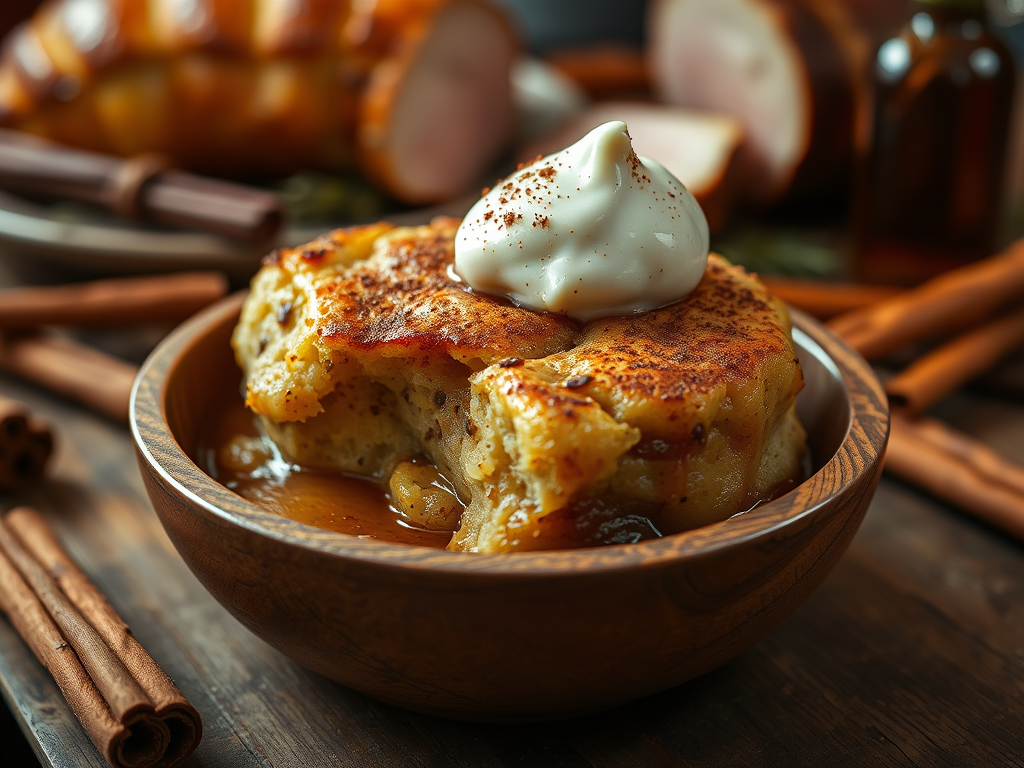
Cinnamon Bread Pudding with Vanilla Bourbon Sauce

This is the absolute best recipe for bread pudding. it will fill your home with warm, welcoming aromas of brown sugar, cinnamon, and vanilla. It also makes a wonderful addition to your holiday brunch. With the holidays around the corner, I feel the need to share some of my favorite recipes for you and your family. This rich, comfort food and so addicting.

Ingredients for Pudding

  • 1 cup firmly packed brown sugar
  • 10 cups chopped day old bread or pastry
  • 3 cups Half-and-Half
  • 2 cups heavy whipping cream
  • ½ cup sugar
  • 5 eggs
  • 1 tablespoon cinnamon

Directions Bread Pudding

  1. Mx bread, brown sugar, Half & Half, whipping cream, sugar, eggs and cinnamon ingredients in a large bowl and let sit for 20 minutes, stirring occasionally.
  2. Preheat oven to 350F. degrees.
  3. Spray a 9 x 13″ baking dish with cooking spray. Spray a piece of aluminum foil with cooking spray to cover the bread pudding while it is baking.
  4. Pour bread pudding batter into pan. Cover with foil and bake for 1 hour or until center of pudding is firm.
    1. NOTE: This can be made about 1 or 2 days in advance, reheat at 250F. degrees for 30 minutes before serving

Ingredients for Vanilla Bourbon Sauce

  • 4 cups heavy whipping cream
  • 2 cups firmly packed brown sugar
  • 1 tablespoon pure vanilla extract
  • ¼ teaspoon cinnamon
  • ¼ to ½ cup bourbon
  • 1 tablespoon cornstarch (optional)

Directions Vanilla Bourbon Sauce

  1. Pour heavy cream into a heavy saucepan and bring to a gentle boil over medium heat. Stirring constantly to keep from scalding, continue to boil until cream is reduced by almost half, about 30 minutes.
  2. Add brown sugar, vanilla, cinnamon, and bourbon and allow to boil until sauce thickens slightly (another 15 minutes). For extra thick sauce, add a tablespoon of cornstarch to the boiling liquid, stirring constantly.

Serve warm, drizzling sauce over the top of each pudding square after placing on a plate.

Oven Roasted Bok Choy

bok choy1I received three baby Bok Choy, also known as Chinese cabbage in my Bountiful Basket (a local food co-op) today. I was stumped as to how I was going to prepare them since I have only eaten this cabbage in stir fry or marinated. I decided to experiment tonight with an oven cooked bok choy.

A little about boc choy that you may not know; this vegetable contains glucosinolates. These compounds have been reported to prevent cancer in small doses, but, like many substances, can be toxic to humans in large doses, particularly to people who are already seriously ill. Cultivated in China since ancient times, bok choy is found in soups and stir-fries, appetizers and main dishes. Bok choy’s popularity comes from its light, sweet flavor, crisp texture and nutritional value. Not only is bok choy high in Vitamin A, Vitamin C and calcium, but it is low in calories.

Preheat oven to 350 degrees

Ingredients

  • 1 baby Bok Choy
  • Olive Oil
  • 4 cloves of fresh garlic, grated or chopped very fine
  • Kosher salt
  • Pepper
  • Parmesan cheese

Directions

Bok Choy

Bok Choy

  • Remove outer leaves if they look torn or bruised, or just cut short with scissors.
  • If leaves are overly long you can trim them with scissors, otherwise leave long, they will crisp up when cooked.
  • Wash with cool water and drain and dry on paper towels.
  • Slice the Bok Choy lengthwise into 4 quarters leaving the stem on each piece to hold leaves together.
  • Drizzle with olive oil, rub the olive oil into the leaves
  • Grate the garlic cloves and spread all over the Bok Choy and into the leaves
  • Sprinkle with kosher salt, pepper and Parmesan cheese
  • Place on a flat baking sheet covered with aluminum foil – do not use a pan with a lip, you want them to roast not steam.
  • Bake in 350 F. oven for 20 minutes, turn over and let bake for another 5 minutes
  • Be careful not to overcook, the Bok Choy should be crisp tender, at this point you can cut into chunks and serve or drizzle with a good quality balsamic vinegar and serve.

Top food blogs