Category Archives: Dinner Ideas

Italian Meatballs

Plate of Italian meatballs covered with tomato sauce, parmesan cheese, and basil leaves
A plate of juicy Italian meatballs topped with marinara sauce, parmesan, and fresh basil.

Italian meatballs are a cozy kitchen favorite, packed with tender texture, savory flavor, and the irresistible aroma of herbs and spices. Their straightforward recipe means every ingredient gets a chance to shine. Freshly ground meat creates a juicier, richer bite, while garlic, parsley, and basil bring a lively burst of flavor that dried or packaged versions often miss. Breadcrumbs keep the center light and delicate, and freshly grated Parmigiano-Reggiano adds savory depth with a gentle nutty note. Add a bright sauce of ripe tomatoes, onions, and olive oil, and the ingredients come together like a delicious little orchestra. The result is a meatball that is balanced, flavorful, and unmistakably homemade. Fresh ingredients do more than look appealing: they boost the aroma, improve the texture, and make every bite more satisfying. It is comfort food with personality—and definitely worth getting saucy over!

  • ½ pound of ground pork
  • ½ pound of veal (see Note below regarding meat)
  • ½ pound of ground beef chuck (85% lean)
  • ½ cup of grated Parmesan cheese
  • ¼ cup flat-leaf Italian parsley, finely minced
  • 2 teaspoons of kosher or sea salt
  • ½ cup of grated onion (food processor works great)
  • 3 cloves of garlic, pressed or minced
  • 1 large egg, beaten
  • 1 cup of dried breadcrumbs
  • 1/3 cup of milk
  • ¼ teaspoon black pepper
  • 1/3 cup olive oil for frying. See methods of cooking below

Process

  1. In a large bowl, combine breadcrumbs and milk to rehydrate. Set aside for 5 minutes.
  2. Mix in the meat, egg, Parmesan, parsley, salt, onion, garlic, and mix until well combined.
  3. Shape the meat mixture into golf ball-sized balls. Handle them gently and avoid packing the balls too tightly, as this can make them tough. Arrange the meatballs on a baking tray, then refrigerate them for 1 hour before cooking.

Cooking Methods: 

Method #1: Bake raw meatballs at 350°F for 15 minutes. They are ready when the center is no longer pink, and the internal temperature reaches 160°F.

  • If the meatballs have not reached 160°F, finish cooking them in marinara sauce. This ensures they are fully cooked while adding flavor to both the meatballs and the sauce.

Method #2: Fry the meatballs in olive oil, following the traditional method. Heat two tablespoons of olive oil in a non-stick skillet over medium-high heat. Add half the meatballs and cook for about 6 minutes, turning occasionally, until browned on all sides. Transfer them to a plate. Drain the oil, wipe the skillet clean, and return it to the heat. Add the remaining oil and meatballs. Cook until all the meatballs are evenly browned.

Method #3: Cooking raw meatballs in marinara sauce.

This method is safe if you keep the food gently simmering, check its internal temperature, and cook the meat completely. This method is popular because it is flavorful and convenient.

  • Simmer the marinara gently so it cooks evenly without making the meat tough.
  • Use evenly sized meatballs (about 1.5 inches) for consistent cooking.
  • Avoid undercooking: In sauce, heat transfer is slower than in dry‑heat methods, so cooking times are longer — often 20–30 minutes for even cooking.   Ground beef, pork, or veal meatballs must reach 160°F (71°C) 

Note: Meat: I find that using 85% lean ground beef is the perfect amount of fat. If you do not eat beef, you can substitute ground turkey, ground chicken, venison, or veal. You can also add Italian sausage to the mix for a different flavor note. 

Crab Meatballs

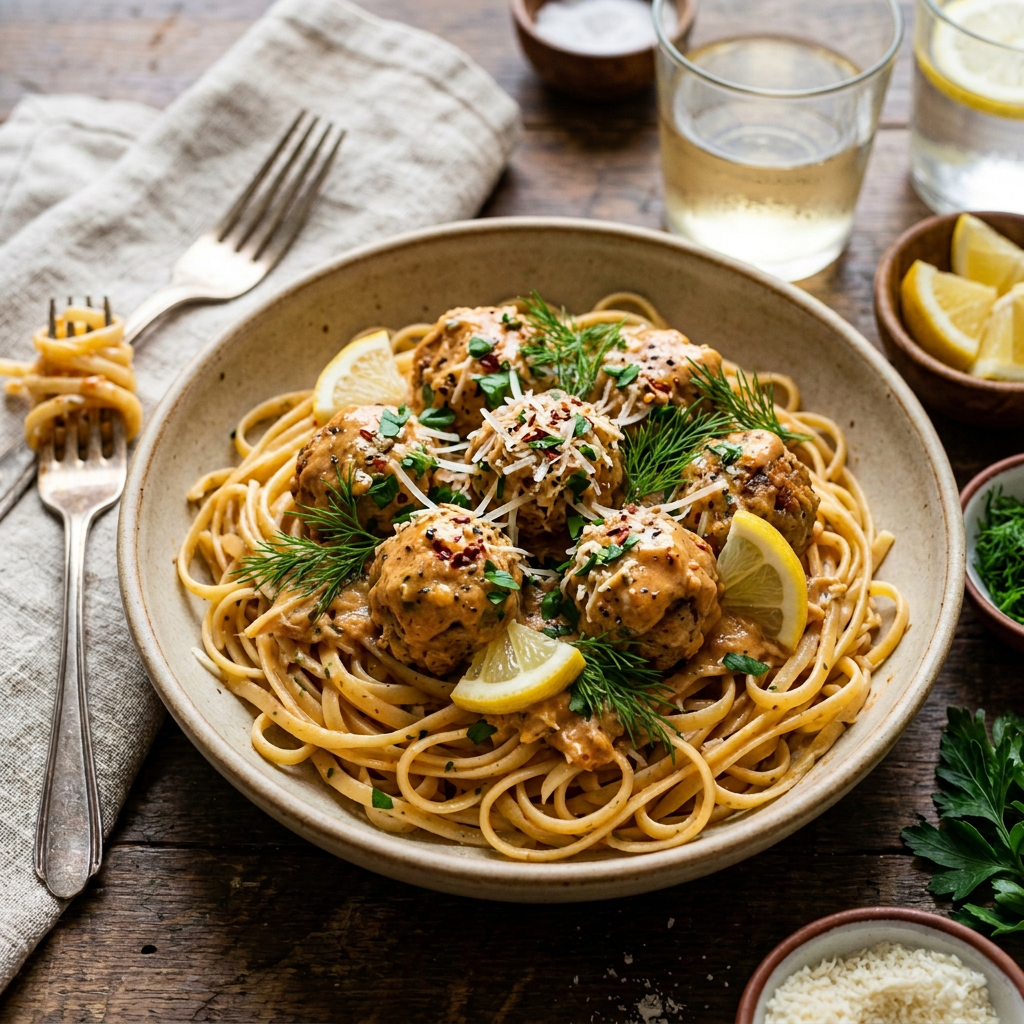
Spaghetti pasta with creamy sauce, meatballs, chopped parsley, and grated cheese in a bowl
A bowl of creamy spaghetti topped with crab meatballs

Ingredients

  • 1 pound lump crab meat, drained and carefully checked for shell pieces
  • 1 cup of Panko breadcrumbs
  • ½ cup mayonnaise (see Note below for substitutions)
  • 1 large egg, lightly beaten
  • 1 tablespoon olive oil
  • 3 tablespoons of onion, grated
  • 1 clove of garlic, pressed
  • 1 tablespoon of Dijon mustard
  • 1 tablespoon parsley, finely chopped
  • 1 teaspoon of Old Bay seasoning
  • ½ teaspoon of salt
  • ½ teaspoon of Worcestershire sauce
  • ¼ teaspoon of hot sauce

Process

  1. Preheat oven to 400°F.
  2. Line a baking sheet with aluminum foil and spray with cooking spray.
  3. In a large bowl, mix the beaten egg and the panko breadcrumbs. Set aside for 5 minutes until the breadcrumbs have softened.
  4. Mix in the mayonnaise, olive oil, grated onion, garlic, Dijon mustard, parsley, Old Bay seasoning, salt, Worcestershire sauce, and hot sauce into the breadcrumb mixture.
  5. Add the crab meat and gently mix it in.
  6. Using a large cookie scoop, scoop up the mixture into balls and press lightly until they hold together. Place on prepared baking sheet.
  7. Bake in a preheated oven for 15 minutes. Then place the crab balls in simmering sauce or gravy and cook for an additional 10 minutes.
  8. If not adding to pasta sauce or gravy, bake for 20 minutes in a preheated oven, until the internal temperature reaches 165°F, using an instant-read thermometer.

Note: Mayonnaise replacements:

  1. Cashew cream is available at grocery stores, or you can make it by mixing cashews and water. It has a rich, creamy flavor and tastes like mayonnaise.
  2. Plain, full-fat Greek yogurt can reduce calories while keeping dishes creamy. It works well in most recipes that call for mayonnaise, including crab cakes.
  3. Aioli sauce is another fine replacement for mayonnaise. It is readily available in grocery stores.
  4. Mashed avocados have a creamy texture, which makes them a perfect replacement.
  5. Hummus is different from mayonnaise, but you can use it instead of mayonnaise in crab cakes. It is creamy and flavorful.
  6. Low-fat cottage cheese is an acceptable light, creamy, and salty replacement.

08/05/2026

Crab Gravy and Pasta

A bowl of pasta topped with tomato and seafood sauce next to a salad with cucumber and cherry tomatoes and a plate of sliced bread
A hearty plate of pasta with crab gravy

Summer memories come alive with this delicious crab gravy and pasta! Instead of live crabs, my mom simmered tender crab legs right in the gravy, filling the house with an irresistible aroma. Now that summer has arrived and crab legs are plentiful, it’s the perfect time to share this comforting family recipe. Dig in and enjoy!

Ingredients

  • ¼ cup olive oil
  • 1 cup of yellow onion, finely chopped
  • 2 ounces anchovies, + their oil
  • 6 garlic cloves, thinly sliced
  • ¼ teaspoon red pepper flakes
  • 2 cans of whole peeled tomatoes (two 28-ounce cans)
  • 1 6-ounce can of tomato paste
  • Salt and black pepper to taste
  • 1 small bunch fresh basil, roll leaves together and slice into ribbons
  • 1 pound of spaghetti or linguine
  • 3 pounds Dungeness crab or king crab legs, scrub clean under cold running water
  • Extra basil and olive oil for serving (optional)

Process

  1. Heat olive oil in a large, heavy-bottomed pot over medium-high heat.
  2. In a large, heavy-bottomed saucepan or Dutch oven, heat the olive oil, onions, garlic, anchovies, and crushed red pepper together over medium-low heat and cook until the onions and garlic are soft and starting to brown. At this point, the anchovies will have fully dissolved into the oil.
  3. Add the tomatoes and crush them by hand as you place them in the pot. Alternatively, break them apart with a wooden spoon. Add a generous pinch of salt, then bring the mixture to a simmer.
  4. Nestle the crab legs into the gravy. Cover the pot and reduce the heat to low.
  5. Simmer for 1½ to 2 hours, stirring occasionally. Keep the crabs covered by the gravy during cooking; the gravy will develop a richer flavor and a pleasant, briny sweetness.
  6. During the final 10 minutes, add the basil leaves. Taste the gravy and adjust the salt if necessary. For a thicker gravy, stir in tomato paste until it dissolves completely.
  7. Meanwhile, boil the pasta in salted water according to package directions. Drain and set aside. Do NOT rinse.
  8. Serve the pasta with crab gravy, arranging the crabs on a platter beside it or on top. Drizzle with a little extra olive oil. Add a few more basil leaves, if desired, before serving.

08/04/2026

Oven-Baked Crab Clusters

Remove whole crab, show only crab clusters
Dungeness crab clusters with a garlic butter sauce

Turn Dungeness or Snow crab clusters into a seaside celebration with almost no fuss! A gentle bake keeps the meat tender and sweet, while melted butter, bright lemon, garlic, and fresh herbs create a delicious flavor wave in every bite. This easy dish brings party energy to special occasions but fits just as happily into a casual weeknight meal. Set it in the center of the table, hand out the crackers, and let everyone dip, share, and dig into a feast worth celebrating!

Ingredients

  • 3 pounds of Crab Clusters
  • 1 stick of Butter
  • ¼ cup olive oil
  • ¼ cup Fresh Parsley, chopped fine
  • Fresh Thyme, chopped fine
  • 4 cloves of garlic, pressed
  • 1 teaspoon of Old Bay Seasoning
  • 1 Lemon, juiced
  • ¼ teaspoon of salt
  • Dash of black pepper

Process

  • Preheat oven to 400°F.
  • Run the crab legs under cold water to thaw and scrub the shells clean. Dry them and place them into a 9 x 13” baking dish.
  • Using a sharp knife, carefully pierce each crab leg several times. This helps the melted butter and seasonings flow directly into the crab meat.
  • Melt the butter and olive oil in a microwave-safe bowl.
  • Add the chopped parsley, thyme, garlic, Old Bay seasoning, lemon juice, salt & pepper. Mix well.
  • Pour the butter mixture over the crab legs.
  • Cover the baking dish with aluminum foil. Bake it in the preheated oven for 20 minutes.
  • Let the crabs cool slightly, carefully open the shells to remove the meat, and use the remaining seasoned butter in the pan for dunking.

08/03/2026

Onion Jam

Jar of homemade red onion jam with a label, toast with jam, fresh thyme, and garlic on wooden surface
A jar of homemade sweet onion jam

Onion Jam is a slow-cooked preserve that transforms humble onions into a rich, glossy condiment with remarkable depth. As the onions gently soften and caramelize, their natural sweetness intensifies, balanced by savory notes and a subtle touch of acidity. The result is tender, spreadable, and complex, with layers of buttery richness, mellow allium flavor, and a lingering finish on the palate. Spoon it onto a cheeseboard, tuck it into a grilled cheese sandwich, or serve it alongside roasted meats to add warmth and contrast. Sweet without being cloying and savory without becoming heavy, onion jam brings a polished, versatile character to both simple snacks and elaborate dishes.

Ingredients

  • 2 tablespoons olive oil
  • 3 large, sweet onions, cut into 1/4-inch dice
  • 2 parsley sprigs
  • 2 Fresh Thyme sprigs
  • 1 fresh rosemary sprig
  • 1 cup sugar
  • 3/4 cup white balsamic vinegar
  • ½ teaspoon of Kosher salt

Process

  1. Heat the olive oil in a large pot over medium heat until it shimmers. Add the onions and cook over medium heat, stirring occasionally, until golden brown, about 15 minutes.
  2. Tie the parsley, thyme, and rosemary with kitchen twine. Add the herb bundle to the diced onions. Cook over low heat, stirring a few times, until fragrant, about 3 minutes.
  3. Sprinkle the sugar over the onions and cook, without stirring, until the sugar melts, for about 5 minutes.
  4. Turn the heat to high and cook without stirring for about 6 minutes, until the caramel turns amber brown. Then reduce the heat to low.
  5. Stir in the white balsamic vinegar. Simmer over low heat for about 5 minutes, stirring occasionally, until the jam thickens and the vinegar is absorbed. Remove the herb bundle. Season with salt and let the jam cool until warm.

Note: The caramelized onion jam can be refrigerated for up to five days. Serve warm or at room temperature.

08/01/2026

Portobello Mushroom Entrée

Grilled vegan burger with tomato, arugula, cheese, caramelized onions on a seeded bun with fries and sauce
A delicious grilled portabella burger with fresh toppings

Meaty, savory, and richly satisfying, portabella mushrooms make an elegant centerpiece for a wholesome entrée. Their broad caps provide a hearty texture and absorb marinades beautifully, developing deep layers of flavor when roasted, grilled, or seared. Seasoned with garlic, olive oil, herbs, and a touch of balsamic vinegar, portabellas become tender and succulent while retaining a pleasantly substantial bite.

Serve them over creamy polenta, alongside roasted vegetables, or nestled in a toasted artisan bun with crisp greens and a bright sauce. Whether enjoyed as a refined vegetarian main course or prepared as a simple weeknight meal, portabella mushrooms offer a delicious balance of earthiness, richness, and versatility.

Ingredients

  • 2 large Portobello mushrooms, wipe clean with a dry paper towel, remove stem and gills with a spoon, careful not to break the mushroom
  • 1 clove of garlic, grated
  • ¼ cup olive oil
  • 2 tablespoons balsamic vinegar
  • 2 tablespoons minced flat leaf parsley, thyme, or substitute with your favorite fresh cut herb

Process

  1. Combine the marinade ingredients in a plastic bag and mix well. Add the mushroom caps, seal the bag, and marinate for up to one hour.
  2. Remove mushrooms from bag and discard marinade.
  3. If cooking the mushroom caps on a stovetop, preheat skillet with 1 tsp of olive oil.
  4. Grill or cook on the stovetop for 3-4 minutes on each side until soft but not mushy
  5. Split the bun. Place the cut sides down on a skillet or grill, and toast.
  6. Spread with onion jam and horseradish sauce; enjoy

Horseradish Sauce

  • 2/3 cup of plain Greek yogurt
  • 3 tablespoons of prepared horseradish
  • Stir together and store in the refrigerator

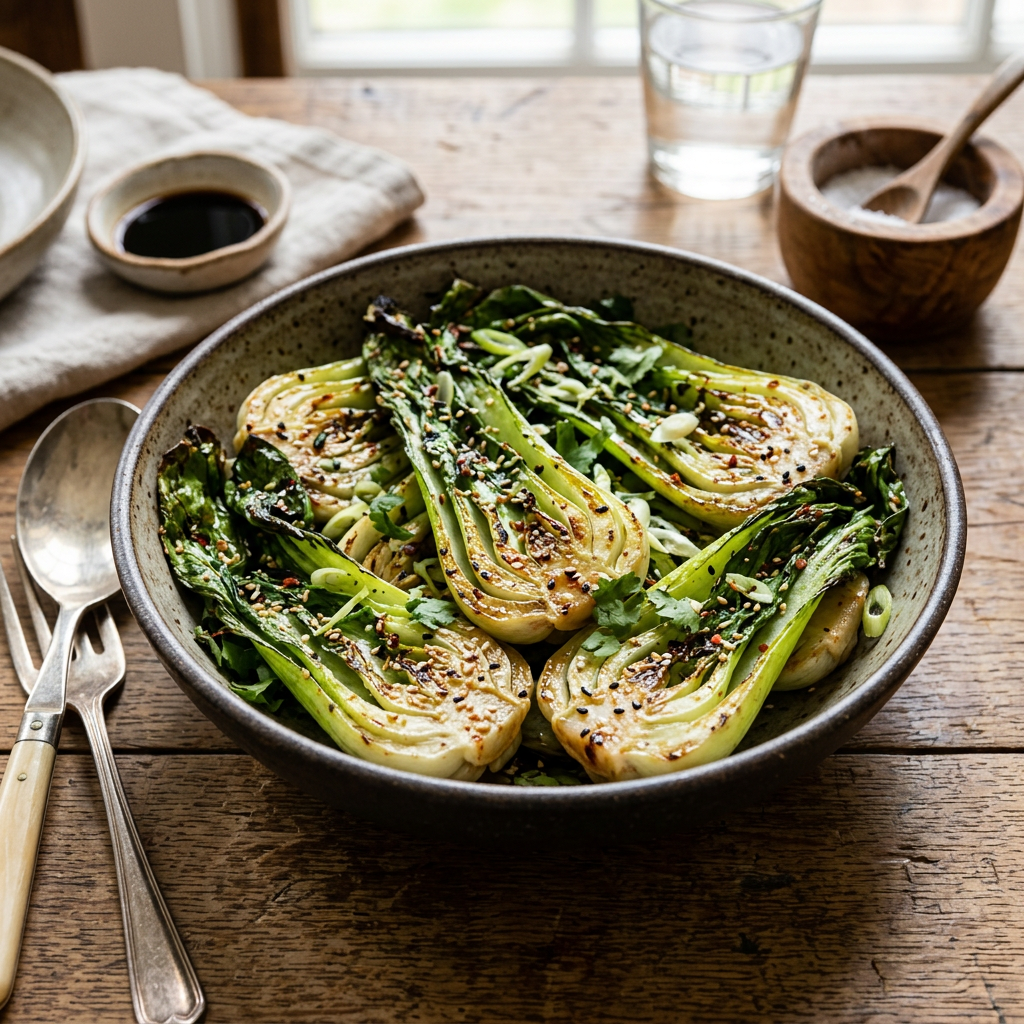
Oven-Roasted Bok Choy

Sautéed bok choy garnished with sesame seeds and sliced green onions on a ceramic plate
A plate of oven-roasted bok choy

Turn humble bok choy into a crave-worthy side dish with a quick trip to the oven! Roasting creates delightfully crisp, caramelized edges while keeping the leaves tender. Garlic, sesame oil, and a sprinkle of seasoning add a savory flavor boost. Serve it alongside rice, noodles, grilled meats, tofu, or seafood for an effortless, colorful upgrade to almost any meal.

Ingredients

  • 1 1/2 pounds of baby bok choy, washed
  • 4 cloves garlic, pressed or grated
  • 2 tablespoons sesame oil
  • 1 tablespoon seasoned rice vinegar
  • 3 tablespoons soy sauce 
  • 1/2 teaspoon salt 
  • 1 teaspoon grated fresh ginger
  • 1/4 teaspoon Korean Red Pepper Powder (or red pepper flakes)
  • ¼ teaspoon black pepper
  • 1/2 teaspoon sesame seeds or scallions for garnish

Process

  1. Preheat oven to 400°F.
  2. Position the oven rack in the middle of the oven. Line a baking sheet with aluminum foil or parchment paper and set aside.
  3. Trim about 1/2 inch from the bottom of each baby bok choy. Wash and dry the bok choy. Cut each one lengthwise into four pieces, leaving the stem intact so the pieces stay together.
  4. In a small bowl, whisk together minced garlic, ginger, sesame oil, soy sauce, rice vinegar, salt, pepper, red pepper flakes,
  5. Arrange the bok choy evenly on the baking sheet: Brush the sauce over the bok choy, covering every nook and cranny. Sprinkle with black pepper and salt to taste.
  6. Roast for 10 minutes. Turn the bok choy over and roast for another 6–8 minutes, until the leaves are crisp and lightly browned.
  7. Do not overcook the bok choy. It should remain crisp-tender. Cut it into pieces and serve or drizzle it with high-quality balsamic vinegar before serving.
  8. Sprinkle with sesame seeds and/or sliced scallions. Serve immediately.

Gnocchi with Brown Butter Sage Sauce

Plate of gnocchi with sage leaves, grated cheese, and walnuts
Delicious gnocchi topped with crispy sage

Gnocchi, pronounced NYOW-kee, are Italian dumplings made with flour, eggs, and potatoes. Gnocchi can be served in tomato sauce, tossed with pesto, or sautéed with butter and herbs. Homemade gnocchi are soft and pillowy inside and are far superior to store-bought dried gnocchi. Give homemade a try and serve with your favorite sauce.

Brown butter sage sauce recipe follows; prepare ahead if desired. See steps below for easy reheating.

Ingredients

  • 1-3/4 to 2 pounds of potatoes (about 5 medium). Do not peel potatoes. Use starchy potatoes, such as russets or Yukon Gold
  • ½ cup freshly grated Parmesan cheese
  • 1-1/2 teaspoons of salt
  • ¼ teaspoon black pepper
  • ¼ teaspoon of ground nutmeg (fresh if possible)
  • 1 large egg yolk, beaten with a fork (save white for another recipe)
  • 1 cup (or more) all-purpose flour
  • 2 tablespoons of butter for sautéing

Process

  1. Cover potatoes with at least 1″ of salted water and boil potatoes whole for about 20 – 25 minutes or longer. Potatoes should be fork-tender. Transfer to a large bowl. Cool slightly about 10 minutes.
  2. When cool enough to handle, peel potatoes and cut into chunks.
  3. Mash potatoes until smooth.
  4. Mix in Parmesan cheese, salt, pepper, and nutmeg.
  5. Add egg yolk and mix until blended.
  6. Slowly add 1 cup of flour. Knead for about 2 minutes until the dough is smooth. If it feels too sticky, add more flour, one tablespoon at a time.
  7. Line a rimmed baking sheet with parchment.
  8. Set a large pot of salted water on the stove to boil.
  9. Divide dough into 4 equal pieces.  Roll 1 piece on a lightly floured surface into a 24-inch-long rope.
  10. Cut the ropes into 3/4-inch (2 cm) pieces. Press each piece lightly against the tines of a fork to form ridges; don’t press too hard. Lightly dust with flour and toss so pieces don’t stick together. Repeat with the remaining dough. Let the gnocchi rest 20 minutes before boiling.
  11. Melt two tablespoons of butter in a large skillet. Set aside until gnocchi are ready to be sautéed.
  12. Spoon gnocchi in the large pot of boiling salted water until they float to the surface; boil for 1 minute longer.
  13. With a slotted spoon, transfer gnocchi to skillet with melted butter. Sauté all gnocchi over medium-low heat until they begin to brown, stirring occasionally for about 5 minutes.
  14. Optional: Sprinkle with chopped walnuts.
  15. Cover with your favorite sauce and serve.

Sage Brown Butter Sauce

Ingredients

  • ½ cup of butter
  • 1/3 cup thinly sliced fresh sage leaves, see Tip below
  • 1-1/2 teaspoons finely grated lemon peel

Process

  1. Cook butter in a medium skillet over medium-low heat until it starts to brown, about 4 minutes. Stay nearby and stir or move the butter with a spatula so it browns evenly and becomes golden brown. Watch closely to avoid burning the butter.
  2. Add sage leaves and lemon peel. Remove from heat.
  3. Season with salt and pepper. Set sauce aside until ready to use.

Tip

  1. Remove the stems by cutting the leaves from the stem.
  2. Stack the leaves with the largest leaf at the bottom and the smallest at the top. Align the leaves.
  3. Roll the leaves tightly to create a cylinder.
  4. Slice with a sharp knife into thin, even ribbons. Aim for consistent thickness. Use the ribbons right away.

A Magnificent Chicken Meatball

Pot of vegetable stew with browned meatballs and herbs

Chicken meatballs transform everyday chicken into bite-sized joys—tender, herby, and ready to party on your plate. These little wonders play well with many partners: toss with pasta and marinara for a cozy classic, tuck into a warm pita with tzatziki and crunchy salad for a Mediterranean vibe, or pile over rice with steamed greens for an Asian-inspired bowl. They even brighten homemade vegetable soup—moist and marvelous compared with dry shredded chicken. Packed with protein and pleasantly filling, chicken meatballs make mealtimes fun and satisfying.

Ingredients

  • 1 16-ounce package of Ground Chicken
  • ½ cup Panko Breadcrumbs
  • 1 egg
  • 1/3 cup of grated Parmesan and Romano cheese
  • 2 garlic cloves, minced or pressed
  • 2 tablespoons of fresh parsley, minced
  • 1 teaspoon sea salt
  • ¼ teaspoon of black pepper
  • ¼ teaspoon oregano
  • ¼ teaspoon thyme
  • ½ teaspoon garlic powder
  • 1 tablespoon olive oil

Process

  1. Preheat oven to 400°F.
  2. Line a baking sheet with aluminum foil and spray with cooking spray.
  3. In a large bowl, beat egg with a tablespoon of water; add the breadcrumbs. Mix until breadcrumbs become moistened.
  4. Combine cheese, garlic cloves, parsley, salt, black pepper, oregano, thyme, garlic powder, and olive oil with the breadcrumb mixture until evenly blended.
  5. Combine ground chicken gently with a fork or clean hand; mix until just combined. Avoid overmixing to prevent the chicken from becoming tough.
  6. Form 1” balls with a cookie scoop and place on the prepared baking sheet.
  7. Bake meatballs for 20 minutes in a preheated oven, or until internal temperature reaches 165°F using an instant-read thermometer.

Garlic Chicken Thighs

Golden roasted chicken thighs with garlic cloves and herbs on a ceramic plate
Delicious golden chicken thighs roasted with garlic and herbs

Get ready to WOW your guests with a zesty chicken thigh recipe that’s perfect for parties or cozy dinners. Swap in legs or drumsticks if you like—either way, expect bold, garlicky goodness. Only invite fellow garlic lovers; this dish celebrates that irresistible allium. For best results, prepare the marinade a day ahead. The longer the chicken soaks, the more flavor you’ll get—aim for at least six hours and up to twenty-four for maximum deliciousness. Use fresh herbs and freshly peeled garlic; packaged substitutes lack the bright aroma and rich flavor of fresh ingredients, which make this dish more enjoyable for everyone.

Ingredients

  • 3 – 4 pounds of skin-on and bone-in chicken thighs
  • 1/2 cup of olive oil
  • 16 fresh garlic cloves
  • 2 tablespoons fresh rosemary, chopped
  • 2 tablespoons fresh thyme, chopped
  • 1/2 cup (or more) fresh parsley

Marinade

  • About 1/2 cup of olive oil – more or less to cover the chicken pieces
  • 6 peeled and smashed garlic cloves – cut in half after you smash them
  • ½ cup of fresh flat leaf Italian parsley, minced

Process

  • Preheat oven to 400°F.  
  • Prepare chicken thighs: Rinse and trim away excess skin and fat, then pat dry.
  • Place the thighs flat in a baking dish so they fit without overlapping. See Note below.
  • Pour the marinade over the thighs. Cover the dish and refrigerate for 6–24 hours, turning the thighs once.
  • Place the marinated chicken pieces on a foil-lined rimmed baking sheet, scraping off excess oil first.
  • Use a slotted spoon to remove the garlic and parsley from the marinade and place them on the chicken. Set aside 1/3 cup of the marinade oil; discard the remaining marinade oil.

In a separate bowl:

  • Add 8 minced garlic cloves, 1/3 cup reserved olive oil, chopped rosemary, and fresh thyme leaves.
  • Pour this mixture over the chicken in the pan.
  • Bake for 45 minutes – do not turn chicken during roasting.

*Note:

  • I have marinated the chicken pieces in a large zip-close plastic bag. It saves on clean-up.
  • Do not crowd chicken pieces in roasting pan – this will steam the chicken rather than roasting it.