Category Archives: Fun Stuff

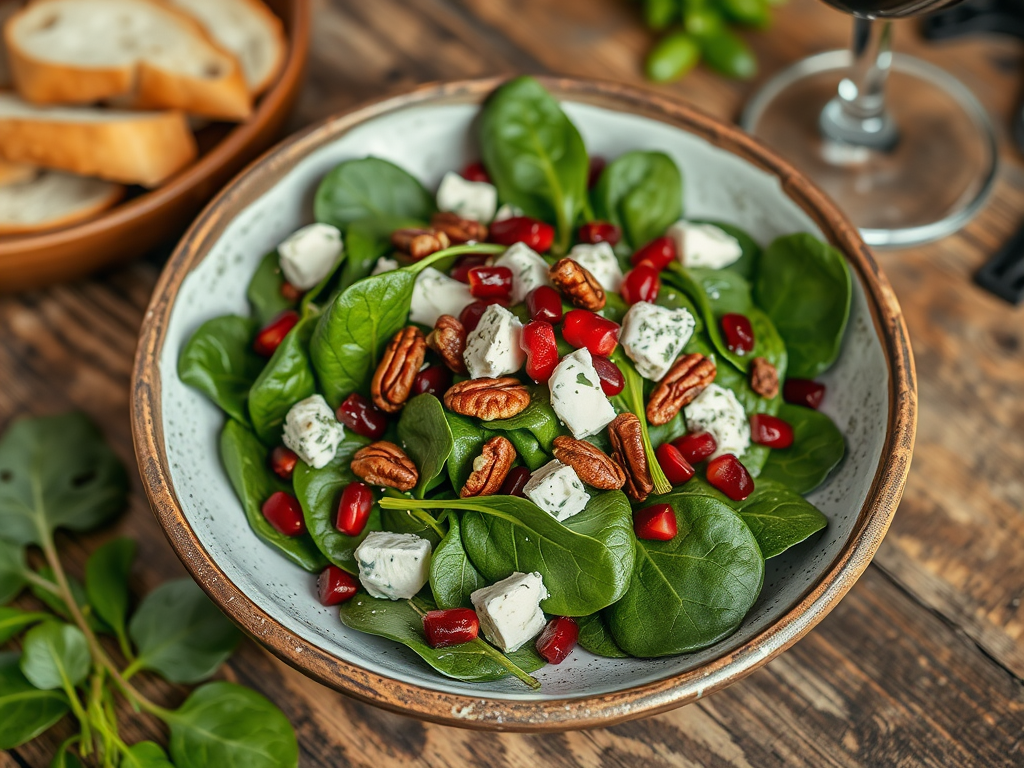
Spinach Salad with Candied Pecans

Cooking with fresh ingredients is a delightful adventure that sparks joy and creativity. Making a spinach salad with candied pecans turns mealtime into a fun, vibrant experience, filling my kitchen with warmth and happiness. It’s a simple way to add excitement and flavor to everyday meals.

Ingredients

  • 1 tablespoon butter
  • ½ cup pecan halves
  • 2 tablespoons brown sugar
  • 2 tablespoons of balsamic or white wine vinegar
  • 2 tablespoons of olive oil
  • 1 6-ounce package of baby spinach, long stems removed
  • 1 Pomegranate, seeded
  • ¼ cup feta or Gorgonzola cheese

Directions

  1. Melt butter in a small frying pan over low heat.
  2. Add pecans and 1 tablespoon of the brown sugar.
  3. Cook for 2 to 3 minutes, stirring constantly until nuts are caramelized.
  4. Spread out on wax or parchment paper to cool.
  5. In a jar with a lid, combine the remaining brown sugar, olive oil and vinegar, shake until sugar is melted.
  6. Place spinach in a large salad bowl and coat with the dressing, mix.
  7. Stir in pecans and pomegranate seeds, sprinkle with feta cheese or Gorgonzola cheese

Optional stir ins:

  • Thinly sliced tart apple
  • Golden raisins
  • Sliced Strawberries
  • Raspberries
  • Blueberries

Toasted Ramen Noodle Salad

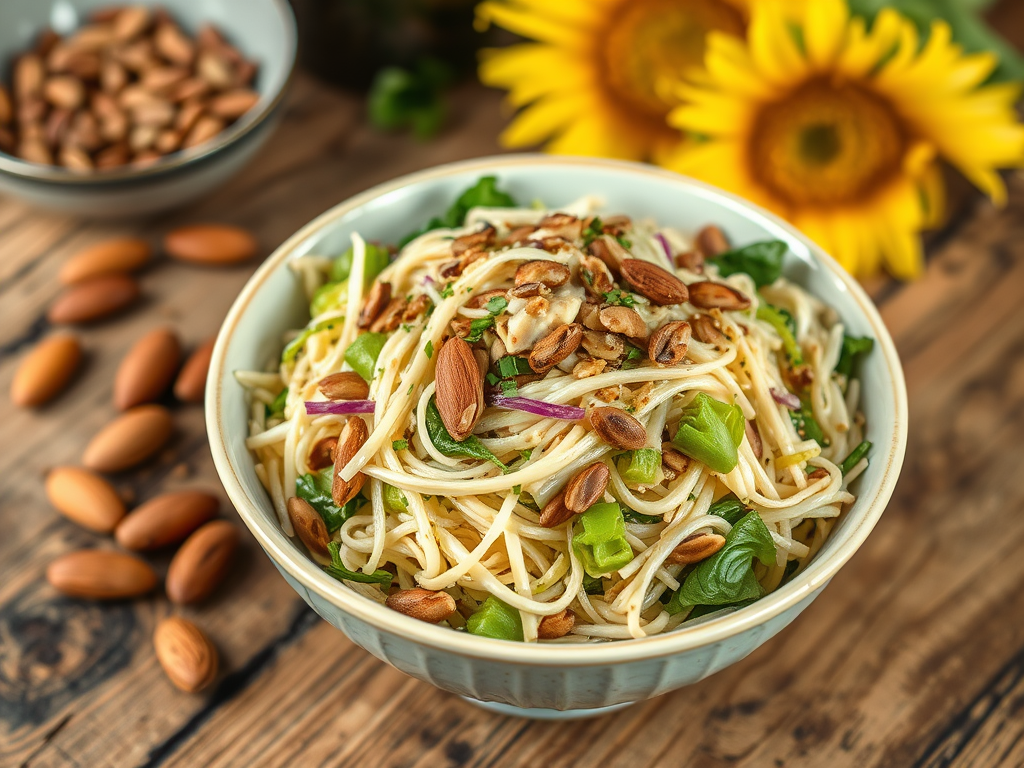
This salad is light, refreshing, and delicious, perfect for summer barbecues or dinners. It features a satisfying crunch from toasted ramen noodles, sesame seeds, sunflower seeds, and almonds. Feel free to customize the ingredients to suit your taste preferences, making it a versatile dish.

Ingredients

  • 1 16-ounce package of coleslaw mix
  • 4 scallions, sliced or 1/8 cup chopped red onion
  • ½ cup slivered almonds
  • ½ cup sunflower seeds (hauled)
  • 2 tablespoons sesame seeds
  • 2 packages of Ramen Noodles, broken (chicken or pork flavor, keep flavor packet)

Dressing Mix

  • ½ cup olive or vegetable oil
  • 3 tablespoons seasoned rice vinegar
  • 3 tablespoons white vinegar
  • 1 teaspoon soy sauce
  • Seasoning from the ramen packets
  • 2 tablespoons granulated sugar

Process

  1. Preheat the oven to 350°F. (175°C).
  2. Spread broken ramen noodles, sunflower seeds, and almonds onto a baking sheet.
  3. Bake noodle mixture in the preheated oven until fragrant and toasted, 10 minutes. Set aside to cool to room temperature.
  4. In a large serving bowl, combine shredded cabbage, onion, cooled almonds, sesame seeds, sunflower seeds, and Ramen Noodles.
  5. To make the dressing: In a jar with a lid combine oil, reserved ramen seasoning packets, vinegar, soy sauce, sugar, and black pepper together in a jar and shake until the sugar is melted.
  • Add grilled chicken or shrimp to make it a full meal.
  • Finely chop and add in other veggies like broccoli, cauliflower, or thinly sliced bell peppers.
  • Make your ramen noodle salad at least two hours ahead so the noodles can soften in the refrigerator.
  • Leftovers can be stored in the fridge for up to 2 days. Stir them before reserving to refresh the flavors again.

Popcorn Salad

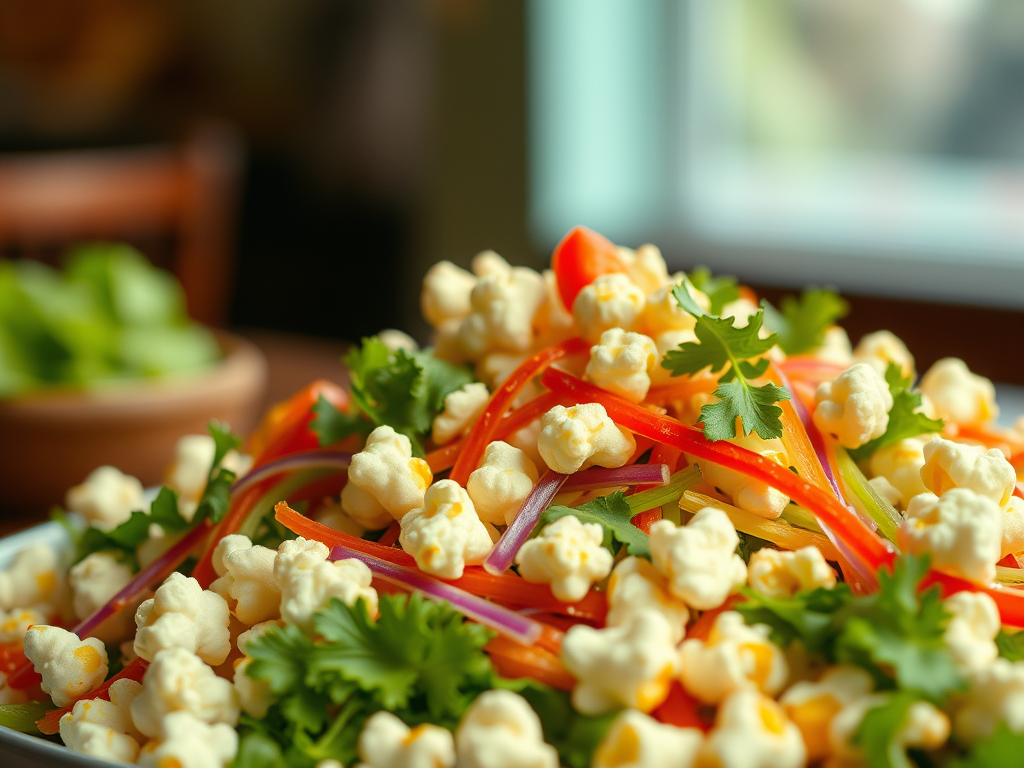
Popcorn salad comes across as one of those dishes that sounds quirky at first, then wins you over the moment you take a bite. It’s the contrast that makes it so delicious: crunchy, lightly salted popcorn folded into a creamy, tangy dressing, brightened with fresh veggies like snap peas, celery, or scallions, and often finished with herbs and a touch of sharp cheddar. Every forkful its a different note—crisp, cool, savory, and just a little indulgent, and a great way to get your kids to eat vegetables!

What makes it memorable is how unexpectedly balanced it is. The dressing softens the popcorn just enough to cling without turning soggy, the vegetables keep everything fresh, and the whole bowl feels like a playful twist on a classic potluck salad. It’s comfort food with personality, and it tends to disappear faster than anyone expects.

Ingredients

  • 1 bag of microwave buttered popcorn popped (about 6 cups)
  • 1 cup grated cheddar cheese
  • ½ cup of diced green pepper or bell pepper
  • 6 – 8 strips of cooked bacon crumbled (or substitute 1/3 cup bacon bits)
  • 1 cup of roasted corn cut off the cob, or a can of corn, drained
  • 1 cup of the following vegetables can be mixed in for color and flavor:
    • Shredded iceberg lettuce for crunch
    • Cherry tomatoes, sliced or quartered
    • Celery, sliced thin
    • Baby peas
    • Snap peas
    • French cut green beans
    • Grated carrot
    • Sliced water chestnuts, excellent crunch factor
    • Tiny little broccoli flowerets that have been steamed until crunch tender
    • Pomegranate seeds
    • Shredded cabbage, red or white
    • Shallots
  • ½ cup of lite mayonnaise or plain full fat Greek yogurt
  • 1 clove garlic, peeled and grated
  • 2 teaspoons of Dijon mustard
  • 2 tablespoons of white wine vinegar
  • 1 teaspoon of Worcestershire sauce
  • Salt and Pepper to taste

Process

Make Dressing

In a blender combine the following and blend until fully incorporated.

  1. Lite mayonnaise or plain full fat Greek yogurt, garlic, Dijon mustard, white wine vinegar, Worcestershire sauce, salt and pepper to taste.

Salad

Mix salad options together in a large bowl:

  1. 6 cups of popcorn, green onion or red onion, green or bell pepper, bacon, additional vegetables of choice.
  2. Pour dressing over salad and top with finely grated cheddar cheese.
  3. Serve immediately.

Cooking Endive

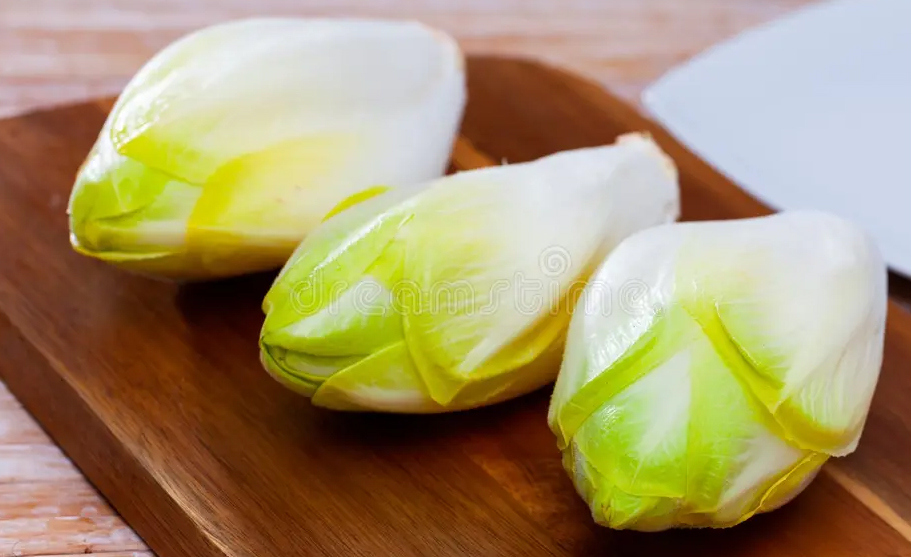
How to cook endive. Endive belongs to the chicory genus, which includes several similar bitter leafed vegetables. I am talking about the little bullet shaped endives, not the curly leaf or chicory. Endives are rich in many vitamins and minerals, especially in foliate and vitamins A and K, and are high in fiber. Endive has a bitter-sweet taste, but I thought it was very savory, almost nutty. I served it up with my baby potatoes and flounder; it made a very filling side dish. Let your kids eat these little “boats” with their fingers. Make it fun.

Here are a few suggestions on how to enjoy your endive:

Baked endive:

  1. Preheat oven to 375° F.
  2. Slice endive lengthwise, remove core. Keep the root end intact as it will hold the leaves together after slicing.
  3. Brush both halves with olive oil.
  4. Slice a fresh garlic clove into very thin slices and place the slices in between the endive leaves.
  5. Sprinkle with kosher salt and pepper, and a little garlic powder.
  6. Bake at 375°F. for 20 minutes.
  7. Remove them from the oven and sprinkle balsamic vinegar over them.

Pan braised endive:

  1. Slice your endives in half.
  2. Sprinkle cut side with kosher salt and pepper, and any other seasoning you might like.
  3. Melt 1 tablespoon of butter in a heavy pan along with 1 tablespoon coconut oil.
  4. Place the endive halves cut side down in the pan, cook on medium-high heat until they are brown.
  5. Add ½ cup chicken broth and simmer until almost all liquid is gone. Remove from pan sprinkle with Kosher salt, and drizzle with balsamic vinegar

Maple glazed endive:

  1. Preheat oven to 350°F.
  2. Halve 6 small endives, remove as much of the core as possible.
  3. Arrange endive into one layer on a baking sheet with raised edges.
  4. In a small saucepan, melt 2 tablespoons of butter then stir in 2 tablespoons of real maple syrup, 2 teaspoons of thyme and ¼ teaspoon salt. When hot, pour over the endive and bake until tender and the edges begin to brown, 20 to 25 minutes.

Salt (Na Cl) Uses and Tips

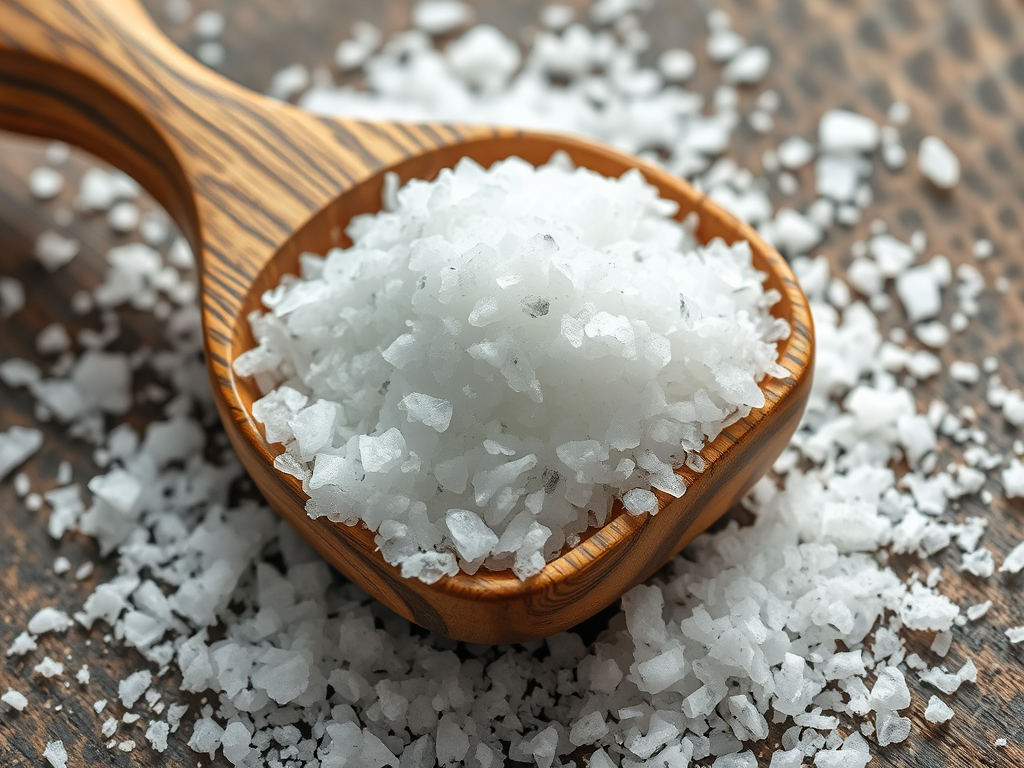
Salt, we take it for granted, did you know that the word salad literally means “salted”, and comes from the ancient Roman practice of salting leaf vegetables. In Africa, salt was used as currency south of the Sahara, and slabs of rock salt were used as coins in Abyssinia. Moorish merchants in the 6th century traded salt for gold, weight for weight. We know salt melts ice in winter, we know salt seasons food, we know salt causes rust on metal, but did you know there is a way to use salt to remove rust.  Salt is awesome, salt – a mineral substance composed primarily of sodium chloride (Na Cl).

Check out these other great uses for salt in the home.

  • Test egg freshness: Put two teaspoons of salt in a cup of water and place an egg in it. A fresh egg will sink; an older egg will float. Because the air cell in an egg increase as it ages, an older egg is more buoyant. This doesn’t mean a floating egg is rotten, just more mature. Crack the egg into a bowl and examine it for any funky odor or appearance — if it’s rotten, your nose will tell you. (Bonus fact: if you have hard-boiled eggs that are difficult to peel, that means they are fresh!)
  • Set poached eggs: Because salt increases the temperature of boiling water, it helps to set the whites more quickly when eggs are dropped into the water for poaching.
  • Prevent fruits from browning: Most of us use lemon or vinegar to stop peeled apples and pears from browning, but you can also drop them in lightly salted water to help them keep their color.
  • Shell nuts more easily: Soak pecans and walnuts in salt water for several hours before shelling to make it easier to remove the meat.
  • Prevent cake icing crystals: A little salt added to cake icing prevents it from sugaring.
  • Remove odors from hands: Rubbing hands on anything made of stainless steel (it really works), but you can also rub your fingers with a salt and vinegar combo.
  • Reach high peaks: Add a tiny pinch of salt when beating egg whites or whipping cream for quicker, higher peaks.
  • Extend cheese life: Prevent mold on cheese by wrapping it in a cloth moistened with saltwater before refrigerating.
  • Clean teeth: Use one-part fine salt to two parts baking soda — dip your toothbrush in the mix and brush as usual. You can also use the same mix dissolved in water for orthodontic appliances.
  • Ease mouth sores: For cankers, abscesses, and other mouth sores, rinse your mouth with a weak solution of warm saltwater several times a day.
  • Relieve bee-sting pain: Ouch? Immediately dampen area and pack on a small pile of salt to reduce pain and swelling.
  • Treat mosquito bites: A saltwater soak can do wonders for that special mosquito bite itch a poultice of salt mixed with olive oil can help, too.
  • Treat poison ivy: Same method as for treating mosquito bites. (Salt doesn’t seem to distinguish between itches.)
  • Ease throat pain: Mix salt and warm water, gargle to relieve a sore throat.
  • Extinguish grease fires: Keep a box of salt near your stove and oven, and if a grease fire flares up, douse the flames with salt. (Never use water on grease fires; it will splatter the burning grease.) When salt is applied to fire, it acts like a heat sink and dissipates the heat from the fire — it also forms an oxygen-excluding crust to smother the fire.
  • Drip-proof candles: If you soak new candles in a strong salt solution for a few hours, then dry them well, they will not drip as much when you burn them.
  • Keep cut flowers fresh: A dash of salt added to the water in a flower vase will keep cut flowers fresh longer. (You can also try an aspirin or a dash of sugar for the same effect.)
  • Make play dough: Use 1 cup flour, 1/2 cup salt, 1 cup water, 2 tablespoons oil, and 2 tablespoons cream of tartar. Stir together flour, cream of tartar, salt, and oil, and slowly add water. Cook over medium heat stirring frequently until dough becomes stiff. Spread onto wax paper and let cool. Knead the dough with your hands until it reaches a good dough consistency.
  • Kill poison ivy:  Mix three pounds of salt with a gallon of soapy water (use a gentle dish soap) and apply to leaves and stems with a sprayer, avoiding any plant life that you want to keep.
  • Salt works as an effective yet gentle scouring agent: Salt also serves as a catalyst for other ingredients, such as vinegar, to boost cleaning and deodorizing action. For a basic soft scrub, make a paste with lots of salt, baking soda and dish soap and use on appliances, enamel, porcelain, etc.
  • Remove water rings: Gently rub a thin paste of salt and vegetable oil on the white marks caused by beverage glasses and hot dishes on wooden tables.
  • Clean brass or copper: Mix equal parts of salt, flour, and vinegar to make a paste, and rub the paste on the metal. After letting it sit for an hour, clean with a soft cloth or brush and buff with dry cloth.
  • Clean a glass coffee pot: Every diner waitress’ favorite tip: add salt and ice cubes to a coffee pot, swirl around vigorously, and rinse. The salt scours the bottom, and the ice helps to agitate it more for a better scrub.
  • Remove blood stains: Soak the stained cloth in cold saltwater, then launder in warm, soapy water and boil after the wash. (Use only on cotton, linen, or other natural fibers that can take high heat.)
  • Stained Coffee and Teacups: Pour half a teaspoon of salt into a stained coffee cup or teacup, scrub with a dry paper towel, then rinse. The alkaline in the salt gets rid of stains like magic.
  • Rust: make a paste of six tablespoons salt and two tablespoons lemon or lime juice on a dry cloth to wipe away rust from almost anything. Use on bicycles, outdoor furniture, and tools. Rinse and dry thoroughly.
  • Wine stains: Blot the area with a dry cloth, then pour on a heaping mound of salt – it’ll help lift the stain off the fabric. Let it sit for 30 minutes, then blot clean with cold water and wash.
  • Stinky kitchen drains: add a heaping tablespoon of salt to a quart of boiling water, then pour it down the drain to clear away odor-causing grease and bits of food.
  • Clean a cast iron skillet: Add a splash of water and a teaspoon of kosher salt to a cast-iron skillet then use a paper towel to wipe off food without causing the pan to lose its seasoning.

Whoopie Pies

The history of Whoopie Pies is an interesting part of American food culture, mainly in the Northeastern U.S. They likely started in the early 1900s, possibly in Pennsylvania or Maine. The name “Whoopie” may come from children’s exclamations of joy or surprise when discovering the sweet filling inside. These treats have become a beloved regional specialty, reflecting local culinary traditions and history.

Cookie Ingredients

  • 1 cup sugar
  • ½ cup shortening
  • 1 egg
  • 1 egg yolk
  • 2 cups of all-purpose flour
  • 2/3 cup unsweetened cocoa powder
  • ¼ teaspoon salt
  • 1 teaspoon of baking soda
  • ½ cup hot water
  • 2/3 cup buttermilk

Cookie Process

  1. Preheat oven to 350°F. Line 2 cookie sheets with parchment paper.
  2. Beat together sugar and ½ cup shortening at high speed with a stand mixer until fluffy.
  3. Add the egg and egg yolk and beat until incorporated.
  4. In a separate bowl, stir together the flour, cocoa powder, and salt; set aside.
  5. Dissolve baking soda in the ½ cup of hot water; cool slightly.
  6. Add the flour mixture, the soda mixture, and 2/3 cups of buttermilk alternately to the sugar, shortening mixture.
  7. Beat at a medium speed until well mixed.
  8. Drop batter by rounded tablespoonfuls 2 inches apart onto a parchment paper lined cookie sheet. Bake for 8 – 10 minutes.
  9. Cool cookies on a cookie rack. Yields 48 cookies.

Filling Ingredients

  • 2 cups sifted powdered sugar
  • ½ teaspoon of meringue powder
  • 1 teaspoon vanilla
  • ½ cup shortening (such as white Crisco)
  • ¼ cup butter

Filling Process

  1. In a stand mixer, add shortening and butter, vanilla, 1 teaspoon of water and beat at high speed until light and fluffy.
  2. Turn mixer to low and gradually add powdered sugar and meringue powder.
  3. Beat on high until mixture is light and fluffy. If mixture is too thick to spread, add 1 teaspoon of water at a time, until it is spreading consistency.
  4. Spread some filling on the flat side of half the cookies, top with the remaining cookies, flat side down.
  5. Store in the refrigerator.

Onion Jam

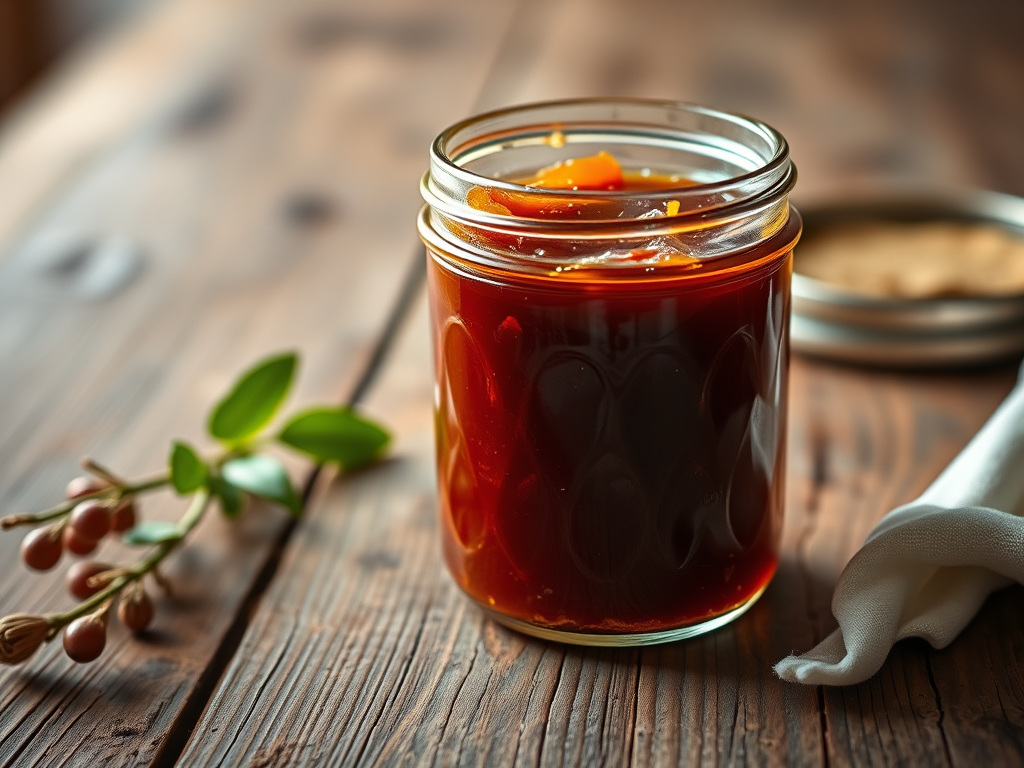
Onion jam is a versatile condiment crafted by slow-cooking onions with honey, vinegar, and spices until they reach a thick, sweet, and tangy consistency. This culinary creation offers a unique blend of flavors that can enhance a variety of dishes. Its rich, caramelized taste makes it an excellent accompaniment to meats, cheeses, and bread, adding depth and sweetness to savory dishes. Onion jam can be used as a topping for burgers, sandwiches, and grilled meats, providing a burst of flavor that elevates the overall dish. It also pairs well with cheese platters, serving as a sweet contrast to sharp cheese like cheddar or blue cheese. Whether spread on toast, dolloped on roasted vegetables, or used as a marinade component, onion jam is a flavorful addition that enhances a wide range of culinary creations.

Ingredients

  • 2 tablespoons of olive oil
  • About 2 pounds of sweet onion (about 3 large)
  • 2 sprigs of fresh thyme
  • ¼ teaspoon Kosher salt and ground pepper
  • 1 cup of red wine
  • ¼ cup of honey
  • ¼ cup of red wine vinegar

Directions:

  1. Slice onions thin, a mandoline is a great tool for this task.
  2. Preheat a heavy skillet over medium-low heat with 2 tablespoons of olive oil
  3. Add onions, thyme, salt and pepper, cover and cook until onions have wilted, about 10 to 15 minutes. Stir occasionally with a wooden spoon to prevent sticking. You do NOT want to brown the onions, just sweat them
  4. Remove lid. You will not need the lid for the next steps.
  5. Add red wine, cook over medium-high heat until the wine is absorbed into the onions.
  6. Remove pan from high heat. Turn heat down to medium-low. Return the pan to medium-low heat.
  7. Add the honey and red wine vinegar and simmer gently until onions have a jam like consistency, about 15 minutes.
  8. Remove from heat, cool and use immediately or cover and store in the refrigerator.

Shrimp Lettuce Wraps

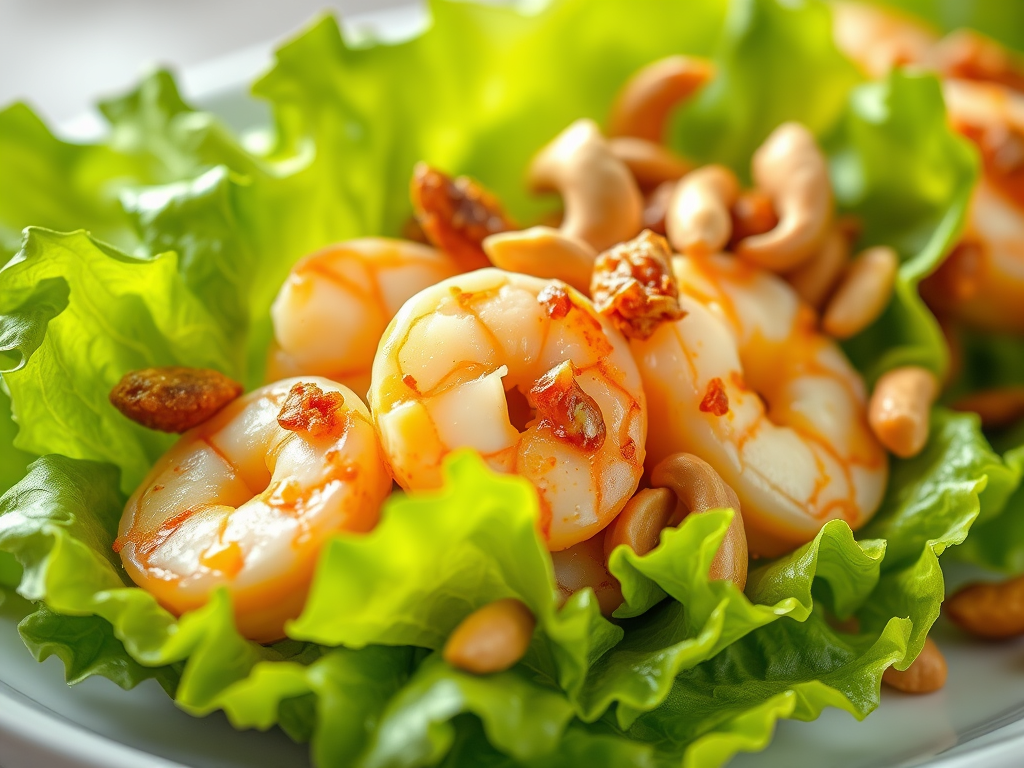
This recipe involves wrapping a tasty filling in lettuce leaves, creating a satisfying vegetable and shrimp wrap. A store-bought rotisserie chicken, shredded, can substitute for the shrimp. For variety, consider experimenting with other vegetables such as snow peas, mushrooms, or canned bamboo shoots. These additions can enhance the dish’s flavor and texture, making it more exotic and satisfying. The preparation is simple, and the result is a healthy, flavorful wrap that can be enjoyed as a snack or light meal. Feel free to customize the ingredients to suit your taste preferences and create new flavor combinations.

Ingredients:

  • 1 tablespoon of sesame oil to coat pan
  • 2 tablespoons low sodium soy sauce
  • 1 tablespoon dry sherry or apple cider vinegar
  • 1 tablespoon hoisin sauce
  • 1 teaspoon rice vinegar
  • ¼ teaspoon red pepper flakes
  • 1 tablespoon minced garlic
  • 1 tablespoon minced peeled ginger
  • 1 (14 oz) bag of coleslaw
  • 1/2 cup sliced scallions
  • 1 small, peeled zucchini, sliced very thin with a vegetable peeler
  • About 12 Bibb lettuce leaves rinsed, and dried, or Boston lettuce.
  • 1 lb. of deveined and peeled medium shrimp
  • 1/4 cup chopped cashews or peanuts

Process

  1. In a bowl, mix soy sauce, dry sherry, hoisin sauce, red pepper flakes, and rice vinegar. Set aside.
  2. In a small bowl combine minced garlic and minced ginger. Set aside.
  3. In another bowl, combine coleslaw, scallions and zucchini, set aside

Directions:

  1. Heat a large wok or frying pan on medium-high heat, add 1 tablespoon of sesame oil and swirl oil to coat pan or use a pastry brush.
  2. Add garlic and ginger, cook for about 30 seconds, stirring to prevent burning.
  3. Add soy sauce mixture, coleslaw, and vegetables. Cook for 1 minute stirring.
  4. Add shrimp and stir fry until shrimp is pink and cooked through. Coleslaw and veggies should be crisp tender at this point.
  5. Divide mixture among lettuce leaves, sprinkle with cashews and enjoy.

The Science behind Chocolate Chip Cookies

This article was originally published on Facebook several years ago, the author is unknown. I wanted to share it on my website, www.KitchenMoxy.com for my own reference, and because the article is brilliant, and because science explains why there are so many different kinds of chocolate chip cookies, such as soft, chewy, overcooked, undercooked (the best), hard, and crispy. You might assume that everyone who makes chocolate chip cookies follows a similar recipe, but that is not the case. I have a recipe that I have used for 40 years, and my family always requests it when I bake cookies. This recipe results in cookies that are soft, chewy, and delicious. It includes a box of instant vanilla pudding mix and baking soda, but no baking powder. The article explains the science behind how these ingredients influence the cookie’s texture. I encourage you to experiment with different recipes and find your favorite type of cookie.

Here, relying on the experts’ help and based on the classic Nestle Toll House Chocolate Chip Cookie recipe:

  • Ooey-gooey: Add 2 cups more flour.
  • A nice tan: Set the oven higher than 350 °F. degrees (maybe 360°F.). Caramelization, which gives cookies their nice brown tops, occurs above 356°F. degrees.
  • Crispy with a soft center: Use 1/4 teaspoon baking powder and 1/4 teaspoon baking soda.
  • Chewy: Substitute bread flour for all-purpose flour.
  • Just like store-bought: Trade the butter for shortening. Note that this ups the texture but reduces some flavor; I suggest using half butter and half shortening.
  • Thick (and less crispy): Freeze the batter for 30 to 60 minutes before baking. This solidifies the butter, which will spread less while baking.
  • Cakey: Use more baking soda because it releases carbon dioxide when heated, which makes cookies puff up.
  • Butterscotch flavored: Use 3/4 cup packed light brown sugar (instead of the same amount of combined granulated sugar and light brown sugar).
  • Uniformity: If looks count, add one ounce corn syrup and one ounce of granulated sugar.

Note: Chilling the dough for at least 24 hours before baking deepens all the flavors.

How to Make Delicious Marshmallow Creme at Home

Marshmallow creme is an American food item. It is a very sweet, spreadable, marshmallow-like confection. Marshmallow creme and peanut butter are used to create a Fluffernutter sandwich. In addition, marshmallow creme and Nutella can be spread on graham crackers to emulate s’ mores – a tasty fireside treat.  I have also used Marshmallow fluff to fill whoopee pies and icing chocolate cake.  You can take a pastry tip and fill cupcakes with marshmallow fluff for a yummy, sweet treat.  Or take a spoon and just dig in.  Enjoy

Ingredients

  • 3 large egg whites 
  • 1/2 teaspoon cream of tarter 
  • 2 tablespoons sugar 
  • 3/4 cup golden corn syrup 
  • 2/3 cup granulated sugar 
  • 1/2 teaspoon vanilla extract

Directions

  1. In a heavy duty mixer, with whisk attachment, beat the egg whites and cream of tartar until foamy. 
  2. Add 2 tablespoons of sugar and beat until soft peaks form, set aside. 
  3. Meanwhile, in a saucepan, add 1/3 cup water, corn syrup, and 2/3 cup sugar. 
  4. Cook over medium heat while stirring until the mixture reaches firm ball stage (instructions below) or 248 degrees on a candy thermometer. This step will take about 15 minutes. 

(To test for firm ball stage:  Fill a glass with cold water and drop a small spoonful of the mixture into the cold water. Remove the mixture from the cold water and it should hold its shape, but quickly flatten)

  1. Once the corn syrup mixture has reached firm ball stage, turn the mixer onto medium and in a slow steady stream; pour the corn syrup mixture into the beaten egg whites. 
  2. Once all of the corn syrup mixture has been added, beat on high for 5 minutes
  3. Add vanilla extract and beat on high 1 minute 
  4. Store in a tightly sealed container