The history of Whoopie Pies is an interesting part of American food culture, mainly in the Northeastern U.S. They likely started in the early 1900s, possibly in Pennsylvania or Maine. The name “Whoopie” may come from children’s exclamations of joy or surprise when discovering the sweet filling inside. These treats have become a beloved regional specialty, reflecting local culinary traditions and history.
Cookie Ingredients
1 cup sugar
½ cup shortening
1 egg
1 egg yolk
2 cups of all-purpose flour
2/3 cup unsweetened cocoa powder
¼ teaspoon salt
1 teaspoon of baking soda
½ cup hot water
2/3 cup buttermilk
Cookie Process
Preheat oven to 350°F. Line 2 cookie sheets with parchment paper.
Beat together sugar and ½ cup shortening at high speed with a stand mixer until fluffy.
Add the egg and egg yolk and beat until incorporated.
In a separate bowl, stir together the flour, cocoa powder, and salt; set aside.
Dissolve baking soda in the ½ cup of hot water; cool slightly.
Add the flour mixture, the soda mixture, and 2/3 cups of buttermilk alternately to the sugar, shortening mixture.
Beat at a medium speed until well mixed.
Drop batter by rounded tablespoonfuls 2 inches apart onto a parchment paper lined cookie sheet. Bake for 8 – 10 minutes.
Cool cookies on a cookie rack. Yields 48 cookies.
Filling Ingredients
2 cups sifted powdered sugar
½ teaspoon of meringue powder
1 teaspoon vanilla
½ cup shortening (such as white Crisco)
¼ cup butter
Filling Process
In a stand mixer, add shortening and butter, vanilla, 1 teaspoon of water and beat at high speed until light and fluffy.
Turn mixer to low and gradually add powdered sugar and meringue powder.
Beat on high until mixture is light and fluffy. If mixture is too thick to spread, add 1 teaspoon of water at a time, until it is spreading consistency.
Spread some filling on the flat side of half the cookies, top with the remaining cookies, flat side down.
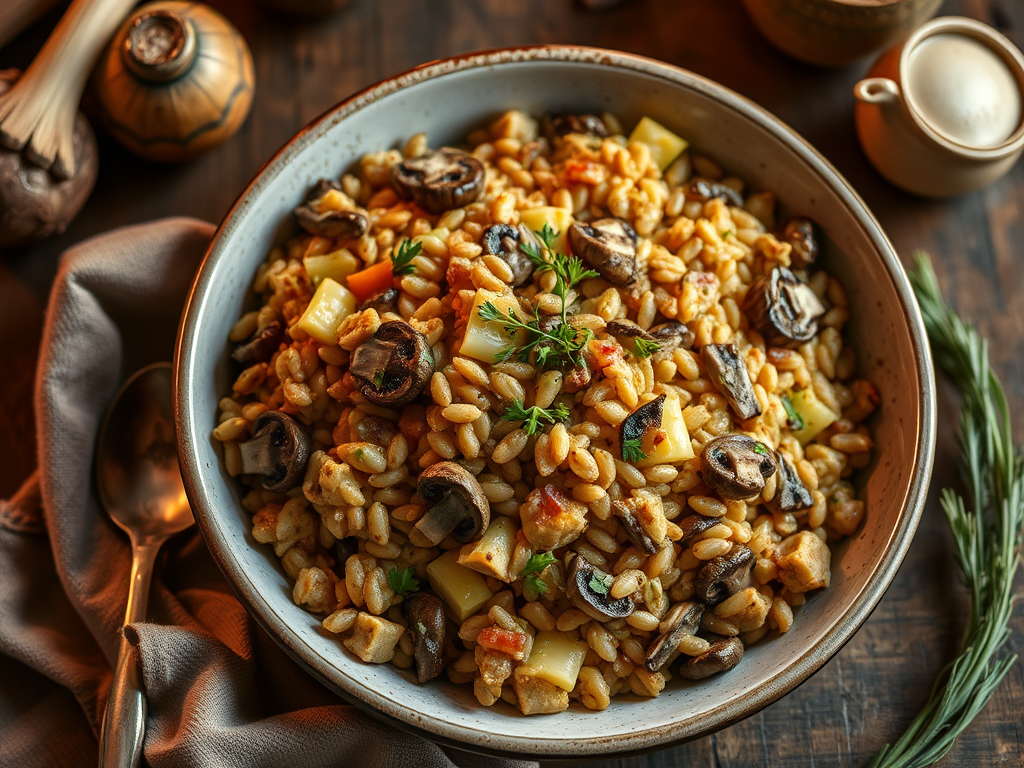
Creamy risotto is a classic Italian dish renowned for its rich, velvety texture and comforting flavor. Made with Arborio rice, which has a high starch content, risotto achieves its signature creaminess through slow cooking and gradual addition of broth. The process involves sautéing onions or shallots in butter or olive oil, then adding the rice to toast it lightly. Gradually, warm broth is added in small increments, allowing the rice to absorb the liquid slowly, releasing its starch and creating a smooth, creamy consistency. Preparing creamy risotto at home takes about 40 minutes, start to finish. Served as a main meal or side dish, it is so worth the effort.
Ingredients
4 cups of Vegetable Stock
8 ounces of button mushrooms, sliced very thin
1 medium onion, or shallots peeled and finely chopped
2 cloves of garlic, peeled and grated or pressed
1-1/2 cups of Arborio Rice
8 ounces of grape tomatoes, quartered or sliced into thirds
¼ ounce chives, snipped fine
4 tablespoons of garlic butter
1 tablespoon of unsalted butter
1/3 cup freshly grated Parmesan cheese (or substitute with Asiago, Sharp Cheddar, Gruyere, or Pecorino Romano)
1 teaspoon Korean red chili flakes
Salt & pepper to taste
Process
Heat vegetable stock in a medium pot, bring to a low simmer.
Heat a drizzle of olive oil in a large pan over medium-high heat. Add sliced mushrooms, spread out in a layer and cook until brown on underside, flip mushrooms and continue to cook until browned and slightly crispy., Season with salt and pepper.
Turn off heat and transfer mushrooms to a plate. Set aside.
In the same pot, drizzle olive oil over medium heat. Add onion or shallots, cook stirring until slightly softened and very lightly browned about 2 – 3 minutes.
Add garlic, rice and 1 tablespoon unsalted butter. Cook, stirring for about 2 minutes until garlic is fragrant and rice is translucent. Season with salt and pepper.
Begin making Risotto by adding ½ cup vegetable stock to the pan with rice. Stir until liquid is mostly absorbed. Repeat with remaining stock, adding ½ cup at a time and stirring until liquid has mostly absorbed until the rice is “al dente” and risotto is creamy. This will take about 30 minutes. Season with salt and pepper.
Stir in mushrooms, tomatoes, garlic herb butter, half of the cheese and half of the chives.
Cook until the tomatoes are softened for about 6 minutes.
If risotto is too thick, stir in a little water or more vegetable stock. Risotto should be soft and creamy, not thick.
Stir in red chili flakes.
To serve, top bowl with remaining chives and remaining Parmesan.
Onion jam is a versatile condiment crafted by slow-cooking onions with honey, vinegar, and spices until they reach a thick, sweet, and tangy consistency. This culinary creation offers a unique blend of flavors that can enhance a variety of dishes. Its rich, caramelized taste makes it an excellent accompaniment to meats, cheeses, and bread, adding depth and sweetness to savory dishes. Onion jam can be used as a topping for burgers, sandwiches, and grilled meats, providing a burst of flavor that elevates the overall dish. It also pairs well with cheese platters, serving as a sweet contrast to sharp cheese like cheddar or blue cheese. Whether spread on toast, dolloped on roasted vegetables, or used as a marinade component, onion jam is a flavorful addition that enhances a wide range of culinary creations.
Ingredients
2 tablespoons of olive oil
About 2 pounds of sweet onion (about 3 large)
2 sprigs of fresh thyme
¼ teaspoon Kosher salt and ground pepper
1 cup of red wine
¼ cup of honey
¼ cup of red wine vinegar
Directions:
Slice onions thin, a mandoline is a great tool for this task.
Preheat a heavy skillet over medium-low heat with 2 tablespoons of olive oil
Add onions, thyme, salt and pepper, cover and cook until onions have wilted, about 10 to 15 minutes. Stir occasionally with a wooden spoon to prevent sticking. You do NOT want to brown the onions, just sweat them
Remove lid. You will not need the lid for the next steps.
Add red wine, cook over medium-high heat until the wine is absorbed into the onions.
Remove pan from high heat. Turn heat down to medium-low. Return the pan to medium-low heat.
Add the honey and red wine vinegar and simmer gently until onions have a jam like consistency, about 15 minutes.
Remove from heat, cool and use immediately or cover and store in the refrigerator.
Compound flavored butters serve multiple culinary purposes. They can be melted over grilled meats, seafood, or vegetables to add moisture and flavor. Perfect to add fun and flair to any breakfast spread. They are also used as finishing touches on baked potatoes, bread, or pasta, providing an extra layer of richness. Additionally, they can be incorporated into sauces, marinades, or used as a base for more complex flavor combinations. Their ease of use and ability to add depth to meals make them popular among chefs and home cooks alike. Following are six compound butters that are equally delicious for all meals.
Compound Herb and Garlic Butter
Compound herb and garlic butter is a versatile culinary ingredient that enhances a wide range of dishes with its rich, aromatic flavor. Made by blending softened butter with fresh herbs, this butter offers a fragrant and savory profile that elevates both simple and complex recipes. Its culinary appeal lies in its ability to add depth and richness to meats, seafood, vegetables, and bread.
Ingredients
½ cup of unsalted butter, softened to room temperature
¼ cup of fresh chopped fresh herbs
Example: rosemary, oregano, thyme, parsley, sage, basil or chives. Fresh herbs will give a beautiful display of green flecks in your butter.
2 grated or pressed garlic cloves
½ teaspoon fresh lemon juice
½ teaspoon Kosher salt
Process
Place the softened butter in a small bowl. Add the chopped herbs, garlic, lemon juice and salt and mix well.
Transfer the mixture onto a sheet of plastic wrap. Roll into a log shape and twist ends to seal tightly. Or leave it in a covered bowl.
Refrigerate the butter for at least 2 hours, or until firm.
Room Temperature – Let butter sit out for a few minutes before using to soften. Butters can sit at room temperature for a couple of days, just like plain butter. But if the weather is hot, store it in refrigerator so butter doesn’t melt.
Compound Lemon Dill Butter
Delicious spread over seafood dishes, such as grilled salmon, baked cod or shrimp where the citrus notes complement the natural flavors of seafood. It also works well as a finishing touch for roasted vegetables or spread on warm bread.
Ingredients
1 stick of unsalted butter room temperature
2 tablespoons finely chopped fresh dill weed
1 tablespoon fresh squeezed lemon juice
½ teaspoon lemon zest
¼ teaspoon kosher salt
½ teaspoon freshly ground black pepper
Process
Wash and finely mince the dill leaves.
Zest and juice lemon.
Cut the softened stick of butter in a mixing bowl.
Using a stand mixer or hand beater, mix until light and fluffy.
Add the chopped dill, lemon zest, lemon juice, salt and pepper. Mix until combined.
Transfer the mixture onto a sheet of plastic wrap. Roll into a log shape and twist ends to seal tightly. Or leave in a covered bowl.
Refrigerate the butter for at least 2 hours, or until firm.
Room Temperature – Let butter sit out for a few minutes before using to soften. Butters can sit at room temperature for a couple of days, just like plain butter. But if the weather is hot, store it in refrigerator so butter doesn’t melt.
Compound Maple Bourbon Butter
This is a smooth, sweet butter with a smoky flavor from bourbon. It is great to spread on bread, pancakes, waffles, roasted vegetables or melted over steak.
Ingredients
1 cup (2 sticks) unsalted butter, softened
2 tablespoons pure maple syrup
1 tablespoon bourbon
1 tablespoon brown sugar
1/2 teaspoon cinnamon
1/2 teaspoon vanilla extract
Pinch of salt
Process
Bring butter to room temperature.
In a mixing bowl, add softened butter and beat butter until light and fluffy.
Gradually mix in pure maple syrup, bourbon, brown sugar, cinnamon, vanilla extract and salt.
Taste and adjust sweetness or bourbon as needed.
Transfer the mixture onto a sheet of plastic wrap. Roll into a log shape and twist ends to seal tightly. Or leave in a covered bowl.
Refrigerate the butter for at least 2 hours, or until firm.
Room Temperature – Let butter sit out for a few minutes before using to soften. Butters can sit at room temperature for a couple of days, just like plain butter. But if the weather is hot, store it in refrigerator so butter doesn’t melt.
Compound Hot Honey Butter
One of my favorite ways to enjoy this whipped hot honey butter is on Jalapeno and Cheese Cornbread or Cheddar and Chive Biscuits, sweet potatoes or baked potatoes or corn on the cob.
Ingredients
1 stick of unsalted butter, room temperature
2 tablespoons honey
2 teaspoons hot sauce
½ teaspoon Koren red chili flakes
Process
Bring butter to room temperature.
In a mixing bowl, add softened butter and beat butter until light and fluffy.
Gradually mix in honey, hot sauce and chili flakes.
Transfer the mixture onto a sheet of plastic wrap. Roll into a log shape and twist ends to seal tightly.
Refrigerate the butter for at least 2 hours, or until firm.
Room Temperature – Let butter sit out for a few minutes before using to soften. Butters can sit at room temperature for a couple of days, just like plain butter. But if the weather is hot, store it in refrigerator so butter doesn’t melt.
Compound Orange Butter
Orange butter is a tasty spread that can be used on French toast, pancakes, sweet breads, and more. It is smooth and rich, making it perfect for breakfast and brunch. It adds color and flavor to your dishes, making them more appealing.
Ingredients
1 cup (2 sticks) butter, softened
1 teaspoon of Grand Marnier, substitute with Cointreau, or orange juice.
1 tablespoon orange zest. Be careful not to zest the white pith under the orange skin as it is bitter.
Process
Bring butter to room temperature.
In a mixing bowl, add softened butter and beat butter until light and fluffy.
Gradually mix in Gand Marnier, and orange zest.
Transfer the mixture onto a sheet of plastic wrap. Roll into a log shape and twist ends to seal tightly.
Refrigerate the butter for at least 2 hours, or until firm.
Room Temperature – Let butter sit out for a few minutes before using to soften. Butters can sit at room temperature for a couple of days, just like plain butter. But if the weather is hot, store it in refrigerator so butter doesn’t melt.
Compound Chocolate Butter
Spread chocolate butter on various baked goods such as toast, pancakes, croissants, or bagels, and explore different flavor combinations to enhance your culinary experience.
Ingredients
1 cup butter, softened
2 tablespoons unsweetened cocoa
3 tablespoons powder sugar
½ teaspoon of vanilla extract
Process
Bring butter to room temperature.
In a mixing bowl, add softened butter and beat butter until light and fluffy.
Gradually mix in unsweetened cocoa, powder sugar and vanilla extract.
Transfer the mixture onto a sheet of plastic wrap. Roll into a log shape and twist ends to seal tightly. Or leave in covered bowl.
Refrigerate the butter for at least 2 hours, or until firm.
Room Temperature – Let butter sit out for a few minutes before using to soften. Butters can sit at room temperature for a couple of days, just like plain butter. But if the weather is hot, store it in refrigerator so butter doesn’t melt.
During the chilly embrace of winter, few comforts compare to the warmth and aroma of a hot, steamy bowl of soup. As the cold air bites outside, a steaming soup offers not only nourishment but also a sense of coziness and relaxation. A bowl of steamy soup on a cold winter day is more than just food; it is a comforting experience that restores energy, lifts spirits, and provides a much-needed respite from the harshness of winter weather. Enjoy with a slice of crusty bread and salad.
Ingredients
3 carrots
1 medium onion
8 ounces of kale
1 can (15.5 oz) of cannellini beans, do not drain
1-package Italian Chicken (or Turkey) Sausage
1 32-ounce carton of either chicken broth or stock
1 tablespoon of all-purpose flour
1 tablespoon of softened butter
Process
Trim, peel, and halve carrot lengthwise, thinly slice crosswise into half-moons. Set aside.
Remove and discard any large stems from kale. Finely chop into small pieces. Set aside.
Peel onion and dice into small pieces.
Heat a tablespoon of olive oil in a large pot over medium heat. Add onion and slowly cook until caramelized for about 10 minutes. Remove from pot.
Turn heat up to medium-high and add sausage. If sausage comes in links, squeeze the meat out of the casing and discard the casing. Flatten the sausage into an even layer. Cook undisturbed until meat is brown on bottom, about 5 minutes.
Break up meat into pieces, then add cooked onion, carrot and kale. Add ½ teaspoon of salt and cook, stirring until carrot is slightly softened and the kale begins to wilt.
Stir in the 32-ounce carton of chicken broth and add the cannellini beans. Bring mixture to a boil and turn heat down so soup can simmer for 10 minutes to continue cooking the sausage and vegetables.
If you want to thicken the soup broth, make a Beurre Manié by mixing 1 tablespoon of softened butter and one tablespoon of flour. Incorporate the flour into the butter with your hands or in a bowl until the flour has completely disappeared.
Whisk into your soup until the Beurre Manié has been completely melted in.
Perfect for any summer gathering, this impressive dessert is sure to wow your guests. This dazzling fruit pizza is a summer showstopper—and surprisingly easy to make!
Choosing the right fruit for a fruit pizza is important for both appearance and taste. The fruit should be soft enough to cut and bite easily, but not too watery. It should also resist browning to keep the pizza looking fresh. To make the presentation attractive, select fruits that vary in color and shape. When placing the fruit on the cream cheese layer, press gently to help it stick. Popular options include different berries, sliced peaches, bananas, canned mandarin oranges, strawberries, kiwi, and passion fruit. These fruits not only look appealing but also add a variety of flavors, making fruit pizza more delicious and visually attractive.
For the best texture and presentation, fruit pizza is best made the same day it’s served.
Crumble dough into a 12” pizza pan, or 9″ x 13″ baking pan with raised edges.
Work the dough until it is spread out to the outer edges of the pan.
Bake until lightly brown, about 10 – 12 minutes. Remove from oven, cool completely.
Filling
1/3 cup granulated sugar
1 egg
1 8oz cream cheese, room temperature
1/4 cup of sour cream
1 teaspoon vanilla
Glaze
Jelly: is used as a glaze for the fruit, it protects it from drying out or turning brown as well as giving it a healthy shine.
½ cup of apple jelly, apricot jelly, orange marmalade or peach jelly make great options for glazing the fruit. Apple jelly is clear, allowing the fruit to stand out. Orange marmalade compliments the flavors of the fruit beneath.
Process
With an electric mixer, in a medium bowl combine sugar and egg, beat until sugar is dissolved.
Add cream cheese, sour cream and vanilla, beat until creamy. Add more sour cream if filling is too stiff to spread.
Spread filling on cookie crust.
Beginning in the center of the pizza begin adding fruit in a circular fashion until it fills the crust.
Stir the jelly or marmalade until smooth and use a pastry brush or spoon spread on top of fruit. Note: if jelly or marmalade won’t smooth out by stirring, microwave for 20 seconds.
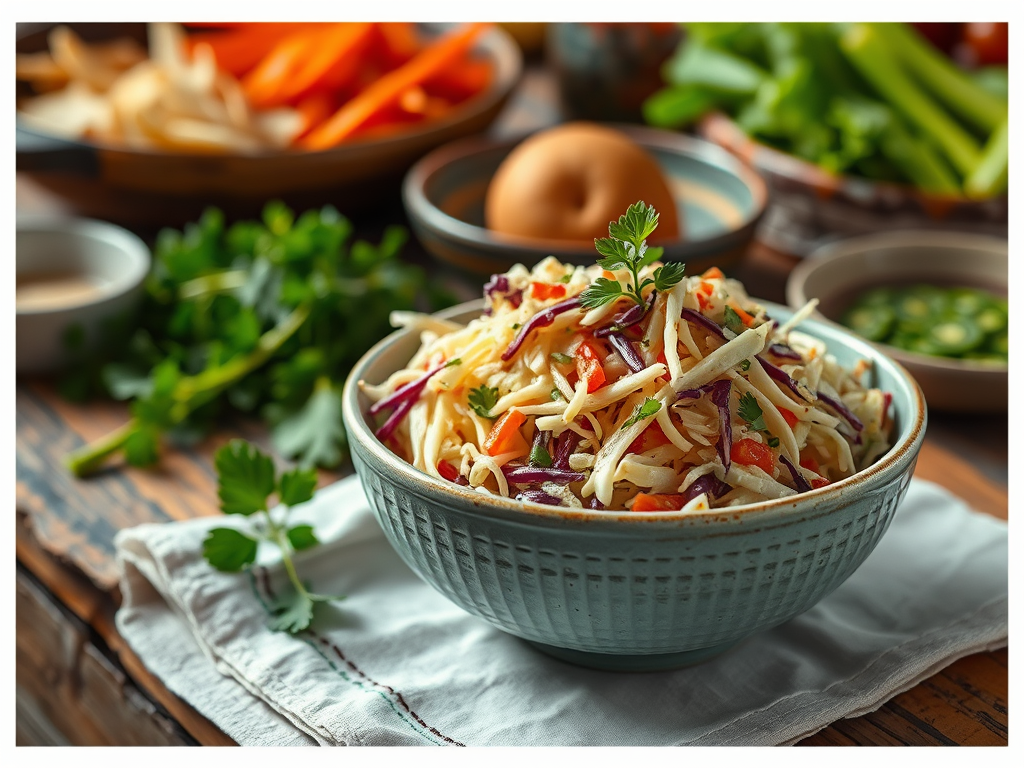
This recipe involves wrapping a tasty filling in lettuce leaves, creating a satisfying vegetable and shrimp wrap. A store-bought rotisserie chicken, shredded, can substitute for the shrimp. For variety, consider experimenting with other vegetables such as snow peas, mushrooms, or canned bamboo shoots. These additions can enhance the dish’s flavor and texture, making it more exotic and satisfying. The preparation is simple, and the result is a healthy, flavorful wrap that can be enjoyed as a snack or light meal. Feel free to customize the ingredients to suit your taste preferences and create new flavor combinations.
Ingredients:
1 tablespoon of sesame oil to coat pan
2 tablespoons low sodium soy sauce
1 tablespoon dry sherry or apple cider vinegar
1 tablespoon hoisin sauce
1 teaspoon rice vinegar
¼ teaspoon red pepper flakes
1 tablespoon minced garlic
1 tablespoon minced peeled ginger
1 (14 oz) bag of coleslaw
1/2 cup sliced scallions
1 small, peeled zucchini, sliced very thin with a vegetable peeler
About 12 Bibb lettuce leaves rinsed, and dried, or Boston lettuce.
1 lb. of deveined and peeled medium shrimp
1/4 cup chopped cashews or peanuts
Process
In a bowl, mix soy sauce, dry sherry, hoisin sauce, red pepper flakes, and rice vinegar. Set aside.
In a small bowl combine minced garlic and minced ginger. Set aside.
In another bowl, combine coleslaw, scallions and zucchini, set aside
Directions:
Heat a large wok or frying pan on medium-high heat, add 1 tablespoon of sesame oil and swirl oil to coat pan or use a pastry brush.
Add garlic and ginger, cook for about 30 seconds, stirring to prevent burning.
Add soy sauce mixture, coleslaw, and vegetables. Cook for 1 minute stirring.
Add shrimp and stir fry until shrimp is pink and cooked through. Coleslaw and veggies should be crisp tender at this point.
Divide mixture among lettuce leaves, sprinkle with cashews and enjoy.
This article was originally published on Facebook several years ago, the author is unknown. I wanted to share it on my website, www.KitchenMoxy.com for my own reference, and because the article is brilliant, and because science explains why there are so many different kinds of chocolate chip cookies, such as soft, chewy, overcooked, undercooked (the best), hard, and crispy. You might assume that everyone who makes chocolate chip cookies follows a similar recipe, but that is not the case. I have a recipe that I have used for 40 years, and my family always requests it when I bake cookies. This recipe results in cookies that are soft, chewy, and delicious. It includes a box of instant vanilla pudding mix and baking soda, but no baking powder. The article explains the science behind how these ingredients influence the cookie’s texture. I encourage you to experiment with different recipes and find your favorite type of cookie.
Here, relying on the experts’ help and based on the classic Nestle Toll House Chocolate Chip Cookie recipe:
Ooey-gooey: Add 2 cups more flour.
A nice tan: Set the oven higher than 350 °F. degrees (maybe 360°F.). Caramelization, which gives cookies their nice brown tops, occurs above 356°F. degrees.
Crispy with a soft center: Use 1/4 teaspoon baking powder and 1/4 teaspoon baking soda.
Chewy: Substitute bread flour for all-purpose flour.
Just like store-bought: Trade the butter for shortening. Note that this ups the texture but reduces some flavor; I suggest using half butter and half shortening.
Thick (and less crispy): Freeze the batter for 30 to 60 minutes before baking. This solidifies the butter, which will spread less while baking.
Cakey: Use more baking soda because it releases carbon dioxide when heated, which makes cookies puff up.
Butterscotch flavored: Use 3/4 cup packed light brown sugar (instead of the same amount of combined granulated sugar and light brown sugar).
Uniformity: If looks count, add one ounce corn syrup and one ounce of granulated sugar.
Note: Chilling the dough for at least 24 hours before baking deepens all the flavors.
Tonight, I prepared spaghetti squash for dinner. Instead of steaming it in the oven, which is my usual method, I roasted the squash, and it turned out excellent. Spaghetti squash can be cooked in various ways, including baking, boiling, steaming, and microwaving. It is versatile and can be served with or without sauce, making it a good substitute for traditional pasta. The seeds of the squash can also be roasted, like pumpkin seeds, providing an additional snack. When raw, the flesh is firm and similar to other raw squash. After cooking, the flesh easily separates into ribbons or strands resembling spaghetti. Nutritionally, spaghetti squash is rich in nutrients such as folic acid, potassium, vitamin A, and beta carotene. It is low in calories, with approximately 42 calories per one-cup (155 grams) serving. Although it does not taste like traditional spaghetti, it absorbs the flavors of the ingredients it is cooked or served with. Besides being healthy, it is also gluten-free, making it suitable for various dietary needs.
Ingredients
1 large spaghetti squash
2 tablespoons of olive oil
1 large Roma tomato finely chopped
2 tablespoons of fresh basil
¼ cup shredded mozzarella or parmesan cheese
1 teaspoon each coarse salt and pepper
1 teaspoon garlic powder
Directions
Preheat oven to 400°F. degrees
Place the squash on a towel to reduce the rocking, if cutting lengthwise, cut the stem end off first. Split the squash in half lengthwise using a very sharp knife.
Use a fork to remove the seeds and center strings.
Drizzle the inside of the two halves with the olive oil, using hands or a brush to be sure all surfaces have been coated.
Sprinkle the coarse salt, pepper and garlic powder all over the inside surface of the squash.
Using an oven safe dish or pan place the cut ends of the squash down on surface.
Bake in a 400° F. degree oven for 40 – 50 minutes or until the squash is soft and the strands pull up easily with a fork.
Remove from the oven and fluff the squash with a fork, pulling the strands away from the sides – leave squash in shell
Turn oven onto broil
Add the tomatoes and fresh basil to the fluffed squash and sprinkle each half with the cheese.
Place under broiler for 3 to 4 minutes or until the cheese is melted and lightly browned.
Soft buttermilk biscuits are a classic baked good renowned for their tender texture and rich flavor. Crafted with simple ingredients such as all-purpose flour, baking powder, salt, and generous amounts of buttermilk, these biscuits are a versatile addition to breakfast, brunch, or any meal. They can also serve as a base for savory toppings like fried chicken, sausage gravy, or cheese. Their delicate crumb and slightly tangy flavor from the buttermilk make them a favorite among bread lovers and a staple in Southern cuisine. In addition to their delicious taste and texture, these biscuits are relatively quick to prepare, making them an excellent choice for both novice bakers and experienced cooks. Their adaptability allows for variations, such as adding herbs, cheese, or spices to customize the flavor profile. Overall, soft buttermilk biscuits are a comforting, versatile, and timeless baked good that continues to be cherished across many households and culinary traditions.
Ingredients
3 cups unbleached all-purpose flour, plus more for dusting the board
4 teaspoons baking powder
1 teaspoon salt
1 tablespoon sugar
1 teaspoon salt
¾ teaspoon cream of tartar
½ cup cold butter sliced into pieces, plus ¼ cup shortening (or ¾ cup cold butter, omit shortening)
1-1/4 cup buttermilk * You can make your own buttermilk: Place a Tablespoon of white vinegar or lemon juice in a liquid measuring cup. Add enough milk to bring the liquid up to the one-cup line. (if possible, use whole milk or heavy cream). Let stand for five minutes. Then, use as much as your recipe calls for.
Process
Preheat your oven to 450°F.
Combine the dry ingredients in a bowl
Add shortening and butter. Cut butter and shortening into the flour until it resembles coarse meal, using a pastry dough cutter or two knives.
Create a well in the middle of the dough, add the buttermilk all at once, and using a fork mix JUST until combined, do not beat.
Turn the dough out onto a floured board.
Fold the dough about 5 times, gently press the dough down to inch thick. Use flour to dust the board or counter if dough is sticking. Gently PAT (do NOT roll with a rolling pin) the dough out until it’s about 1/2″ thick.
Use a round cutter to cut into rounds. You can gently press the scraps together and make a few more. Or pat dough into a square and slice 2-1/2” squares using all the dough.
Place the biscuits on a cookie sheet. If you like soft sides, put them touching each other. If you like “crusty” sides, put them about 1 inch apart- these will not rise as high as the biscuits put close together.
Bake for about 10-12 minutes- the biscuits will be a beautiful light golden brown on top and bottom.
Important Notes:
Do not over-bake.
The key to real biscuits is not in the ingredients, but in the handling of the dough.
The dough must be handled as little as possible, or you will have tough biscuits.
Use a fork to mix the wet ingredients into the dry – do not stir to mix – just “fluff” together
Rolling with a rolling pin is a guaranteed way to overstimulate the gluten, resulting in a tougher biscuit, use your hands to pat the dough out
You can make these biscuits, cut them, put them on cookie sheets and freeze them, place in plastic bags when frozen for up to a month.
When you want fresh biscuits, simply place them frozen on the cookie sheet and bake at 450°F for about 20 minutes.
Lastly; break biscuits apart, do not cut them open with a knife.