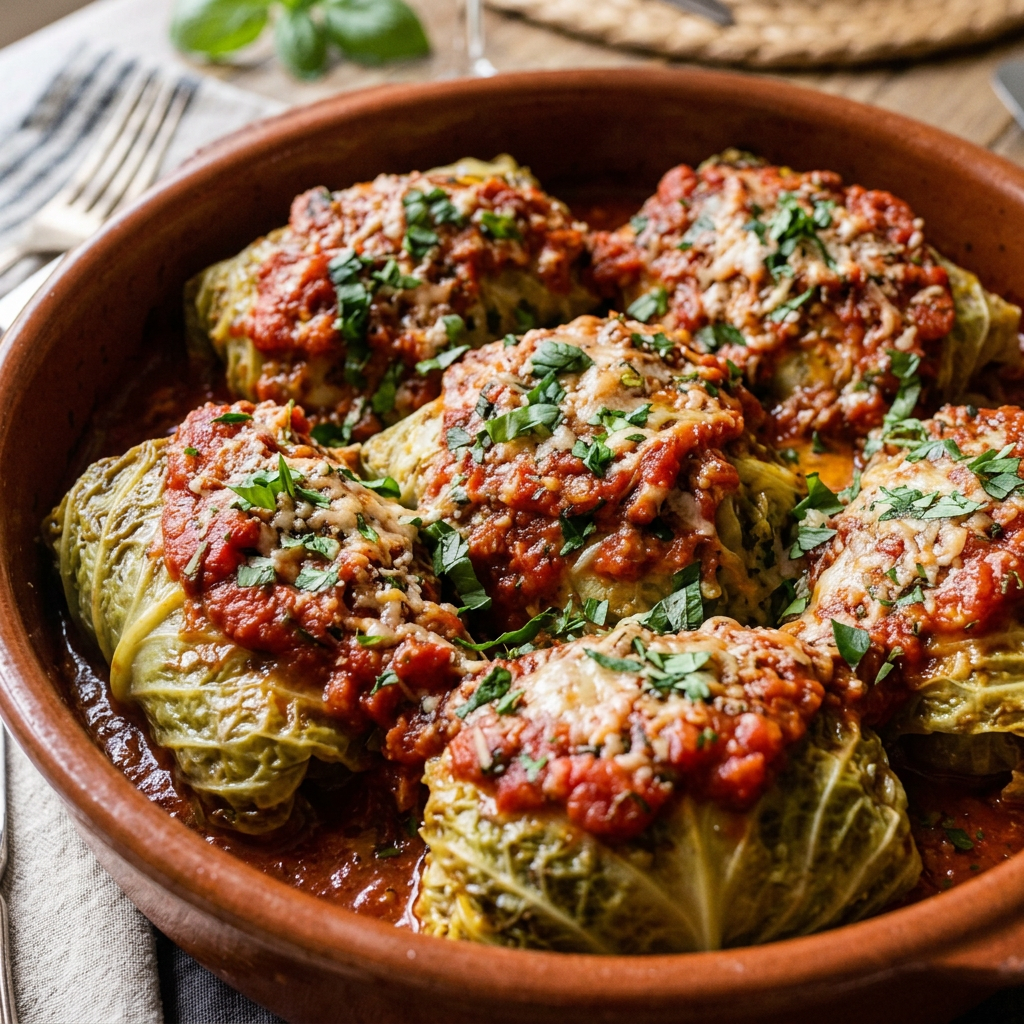
Call them old-fashioned if you like, but stuffed cabbage rolls are comfort food with a playful twist. Once you master the roll, the kitchen becomes your playground: swap beef for turkey, trade rice for barley, or tuck in a surprising filling. The cabbage leaf is your edible envelope, ready for delicious secrets. Polish Golabki, like the ones my mom made, combine seasoned ground beef and pork with rice, then bake in a savory tomato sauce until tender and fragrant. Some versions add barley, a spoonful of sour cream, or extra herbs. Every roll feels like a warm hug from another culture—simple, cozy, and wonderfully adaptable.
Ingredients
1 medium head cabbage (3 pounds)
1/2-pound uncooked ground beef
1/2-pound uncooked ground pork
1 egg, beaten
1 can (15 ounces) tomato sauce, divided
1 small onion, chopped
1/2 cup cooked long grain rice (See Note)
3 tablespoons fresh parsley, minced
1/2 teaspoon salt
1/2 teaspoon of dill weed (or marjoram)
1/8 teaspoon cayenne pepper
1 can (14-1/2 ounces) diced tomatoes, undrained or your favorite marinara sauce
Process
Preheat oven to 350°F.
Boil a whole head of cabbage until the outer leaves loosen and can be easily removed from the core.
Set aside 12 large leaves for rolls. Cut out the thick vein from the bottom of each leaf, making a V-shaped cut.
In a small bowl, combine the beef, pork, 1/2 cup tomato sauce, egg, onion, rice, parsley, salt, dill, and cayenne; mix well.
Place about 1/4 cup of the meat mixture on a cabbage leaf. Fold the leaf sides over the filling, then roll from the cut end until sealed. Repeat with remaining leaves and filling.
Slice the remaining cabbage; place in a Dutch oven. Place the cabbage rolls seam-side down on the sliced cabbage.
Combine the canned tomatoes and remaining tomato sauce; pour over the rolls. Cover and bake until cabbage rolls are tender, about 1-1/2 hours.
Note: Use precooked rice or another cooked grain (for example, barley, farro, or lentils).
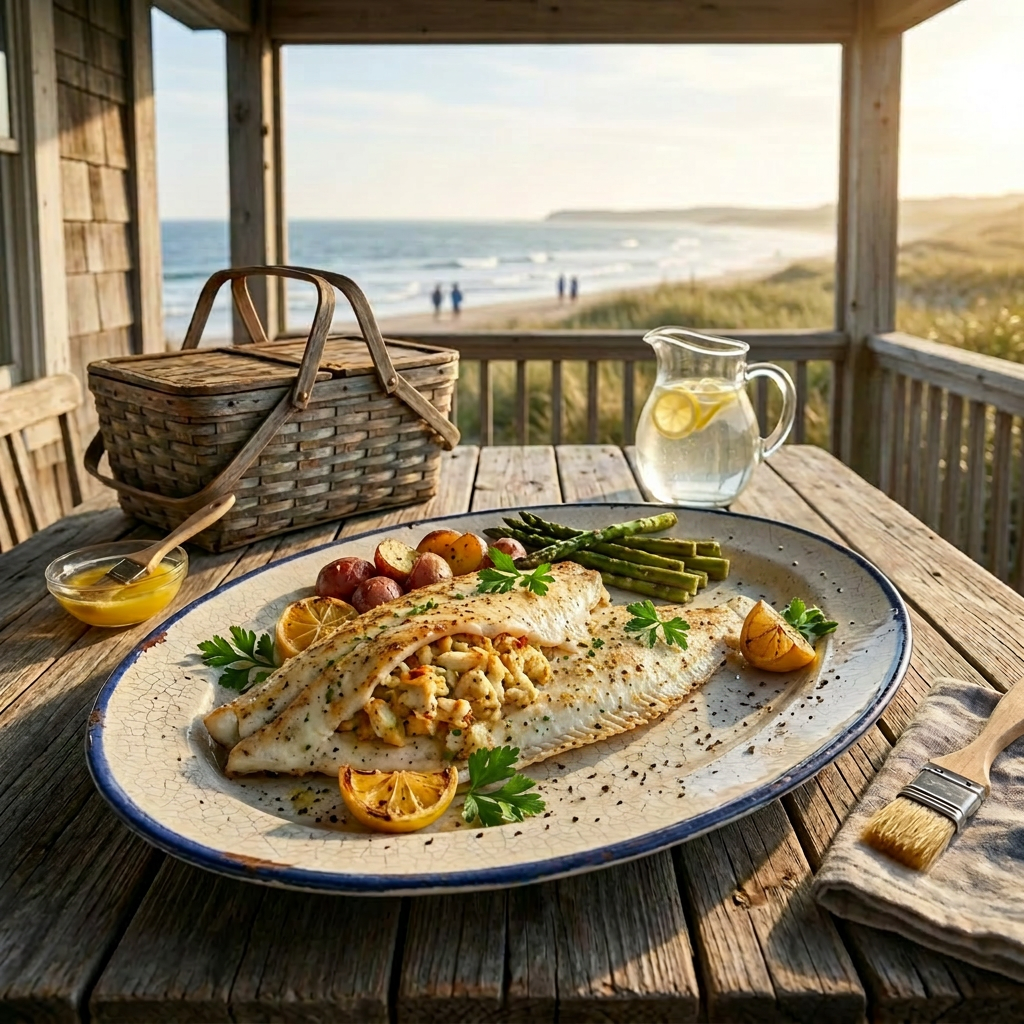
Bring sunshine to the table with a playful, crowd-pleasing dish that’s perfect for summer get-togethers: crab stuffed flounder. Imagine delicate flounder fillets gently wrapped around a savory, herbed crab filling that’s bright with lemon, kissed by garlic, and uplifted with fresh herbs. Each bite offers tender, flaky fish paired with sweet lump crab—light enough for warm evenings, yet hearty enough to satisfy a hungry crowd. Whether you’re feeding a small group or a boisterous crowd, crab-stuffed flounder brings coastal charm, bright flavors, and a touch of summer whimsy to every gathering.
Stuffing Options
Pocket method: Sprinkle flounder with salt and pepper. Using a fillet knife, carefully open the flounder by cutting along the left and right sides of the seam, down the middle of the fish, to create pockets. Lay the cut sides back.
Roll method: Place stuffing into a strip of fillet, roll it up, and secure with toothpicks or skewers.
Layer method: Place stuffing into a cavity or between two fillets, then cook.
Ingredients
2 green onions, thinly sliced (about 1/4 cup)
1 clove garlic, minced
1 red pepper, minced
2 tablespoons fresh parsley, chopped fine
1 egg
1/8 teaspoon cayenne pepper
1/8 teaspoon garlic powder
3 tablespoons heavy cream
1 1/2 tablespoons Dijon mustard
1/2 lemon, juiced
2 tablespoons plain Greek yogurt, or sour cream
10 saltine crackers, crumbled medium to fine
1 pound lump crabmeat, picked clean of shells
Salt and freshly ground black pepper
5 large flounder fillets
Process:
Preheat the oven to 350°F.
In a medium skillet, melt the butter and sauté the onions, garlic, parsley, and peppers until soft; set aside to cool.
In a mixing bowl, combine the egg, cayenne pepper, garlic powder, heavy cream, mustard, lemon juice, and Greek yogurt. Add the cooled onions, garlic, peppers, and parsley; gently mix in the Saltine crackers and crabmeat. Add salt and pepper to taste.
Choose a stuffing method. Fill the flounder with the Crab Mix, then press the sides together to cover the filling. Sprinkle with paprika.
Coat a glass baking dish with cooking spray. Place the fish in the dish and bake for 20 minutes or until internal temperature reaches 145°F.
Without removing the dish from the oven, turn the oven to broil and broil for 5 additional minutes.
*Optional: Melt ½ cup of butter and drizzle over fillets when finished baking.
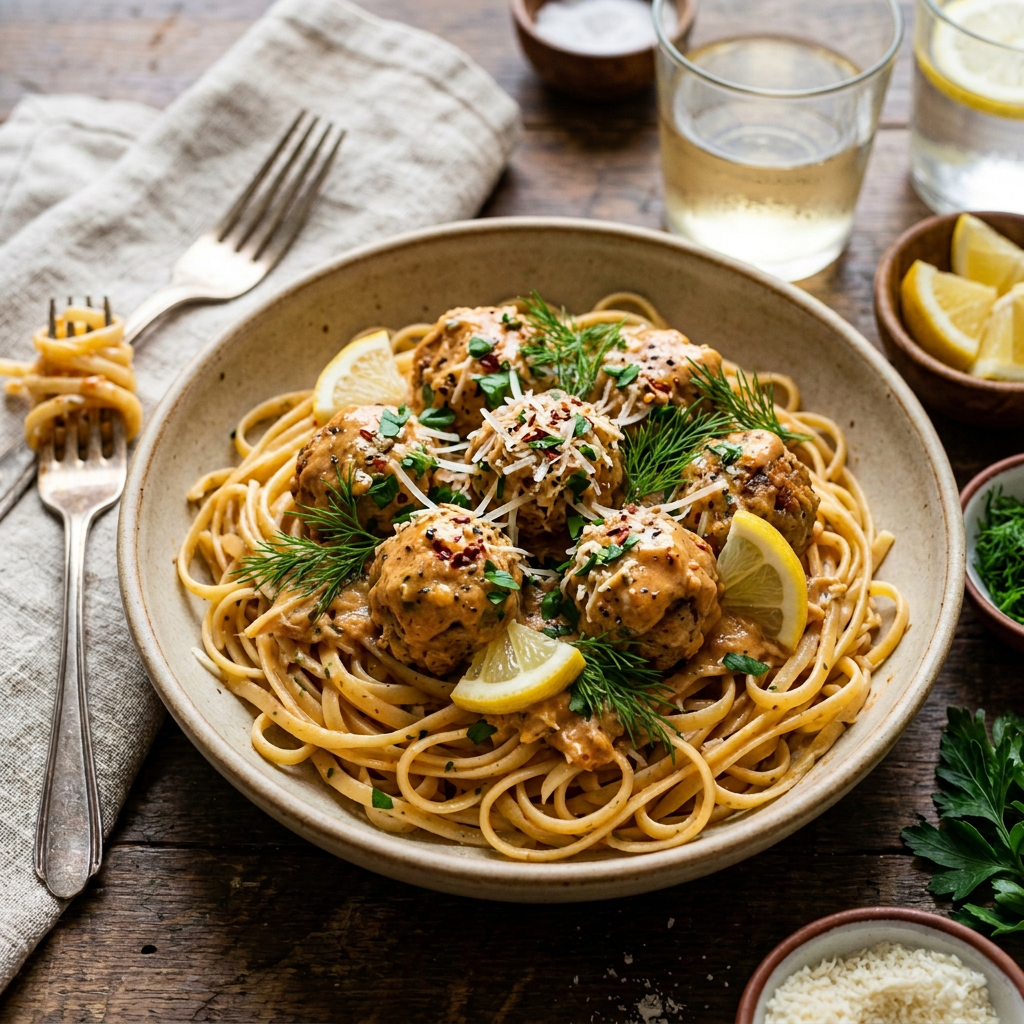
A bowl of creamy spaghetti topped with crab meatballs
Ingredients
1 pound lump crab meat, drained and carefully checked for shell pieces
1 cup of Panko breadcrumbs
½ cup mayonnaise (see Note below for substitutions)
1 large egg, lightly beaten
1 tablespoon olive oil
3 tablespoons of onion, grated
1 clove of garlic, pressed
1 tablespoon of Dijon mustard
1 tablespoon parsley, finely chopped
1 teaspoon of Old Bay seasoning
½ teaspoon of salt
½ teaspoon of Worcestershire sauce
¼ teaspoon of hot sauce
Process
Preheat oven to 400°F.
Line a baking sheet with aluminum foil and spray with cooking spray.
In a large bowl, mix the beaten egg and the panko breadcrumbs. Set aside for 5 minutes until the breadcrumbs have softened.
Mix in the mayonnaise, olive oil, grated onion, garlic, Dijon mustard, parsley, Old Bay seasoning, salt, Worcestershire sauce, and hot sauce into the breadcrumb mixture.
Add the crab meat and gently mix it in.
Using a large cookie scoop, scoop up the mixture into balls and press lightly until they hold together. Place on prepared baking sheet.
Bake in a preheated oven for 15 minutes. Then place the crab balls in simmering sauce or gravy and cook for an additional 10 minutes.
If not adding to pasta sauce or gravy, bake for 20 minutes in a preheated oven, until the internal temperature reaches 165°F, using an instant-read thermometer.
Note: Mayonnaise replacements:
Cashew cream is available at grocery stores, or you can make it by mixing cashews and water. It has a rich, creamy flavor and tastes like mayonnaise.
Plain, full-fat Greek yogurt canreduce calories while keeping dishes creamy. It works well in most recipes that call for mayonnaise, including crab cakes.
Aioli sauce is another fine replacement for mayonnaise. It is readily available in grocery stores.
Mashed avocados have a creamy texture, which makes them a perfect replacement.
Hummus is different from mayonnaise, but you can use it instead of mayonnaise in crab cakes. It is creamy and flavorful.
Low-fat cottage cheese is an acceptable light, creamy, and salty replacement.
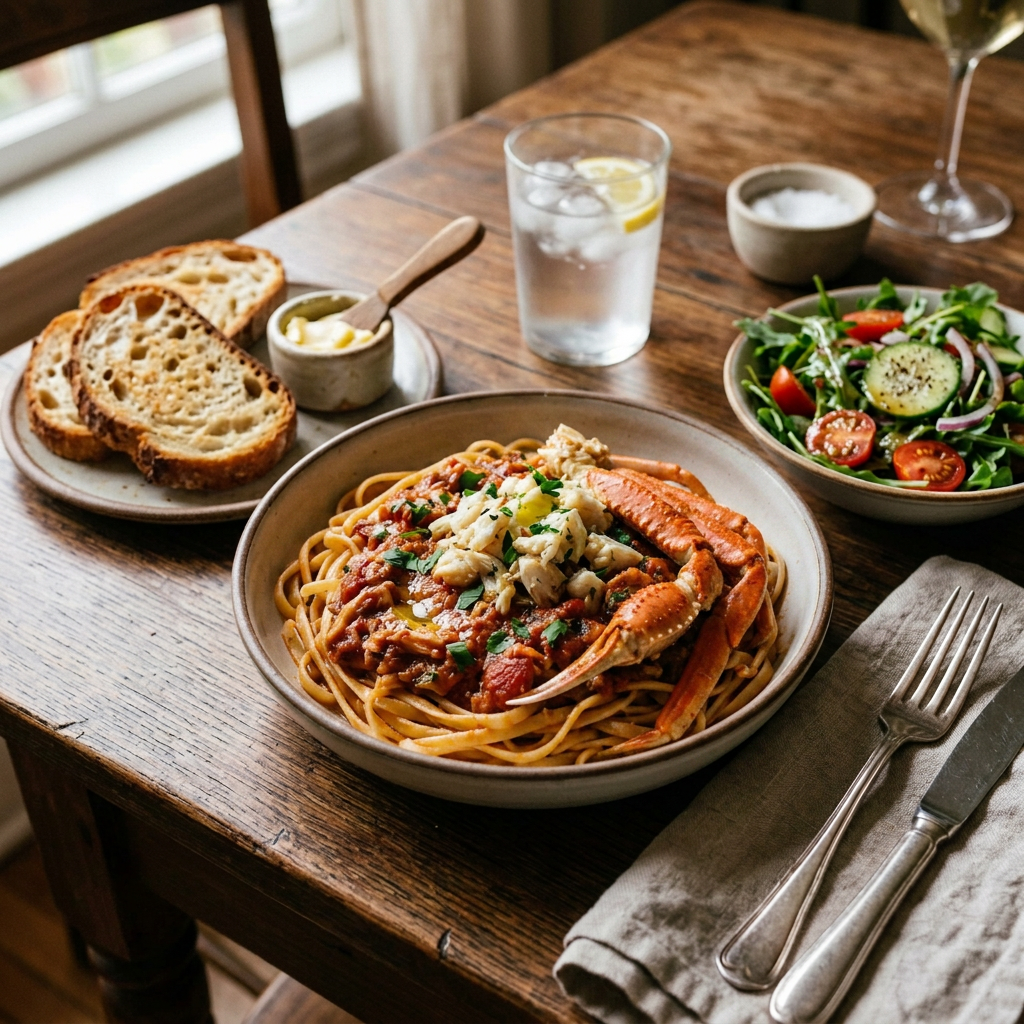
Summer memories come alive with this delicious crab gravy and pasta! Instead of live crabs, my mom simmered tender crab legs right in the gravy, filling the house with an irresistible aroma. Now that summer has arrived and crab legs are plentiful, it’s the perfect time to share this comforting family recipe. Dig in and enjoy!
Ingredients
¼ cup olive oil
1 cup of yellow onion, finely chopped
2 ounces anchovies, + their oil
6 garlic cloves, thinly sliced
¼ teaspoon red pepper flakes
2 cans of whole peeled tomatoes (two 28-ounce cans)
1 6-ounce can of tomato paste
Salt and black pepper to taste
1 small bunch fresh basil, roll leaves together and slice into ribbons
1 pound of spaghetti or linguine
3 pounds Dungeness crab or king crab legs, scrub clean under cold running water
Extra basil and olive oil for serving (optional)
Process
Heat olive oil in a large, heavy-bottomed pot over medium-high heat.
In a large, heavy-bottomed saucepan or Dutch oven, heat the olive oil, onions, garlic, anchovies, and crushed red pepper together over medium-low heat and cook until the onions and garlic are soft and starting to brown. At this point, the anchovies will have fully dissolved into the oil.
Add the tomatoes and crush them by hand as you place them in the pot. Alternatively, break them apart with a wooden spoon. Add a generous pinch of salt, then bring the mixture to a simmer.
Nestle the crab legs into the gravy. Cover the pot and reduce the heat to low.
Simmer for 1½ to 2 hours, stirring occasionally. Keep the crabs covered by the gravy during cooking; the gravy will develop a richer flavor and a pleasant, briny sweetness.
During the final 10 minutes, add the basil leaves. Taste the gravy and adjust the salt if necessary. For a thicker gravy, stir in tomato paste until it dissolves completely.
Meanwhile, boil the pasta in salted water according to package directions. Drain and set aside. Do NOT rinse.
Serve the pasta with crab gravy, arranging the crabs on a platter beside it or on top. Drizzle with a little extra olive oil. Add a few more basil leaves, if desired, before serving.
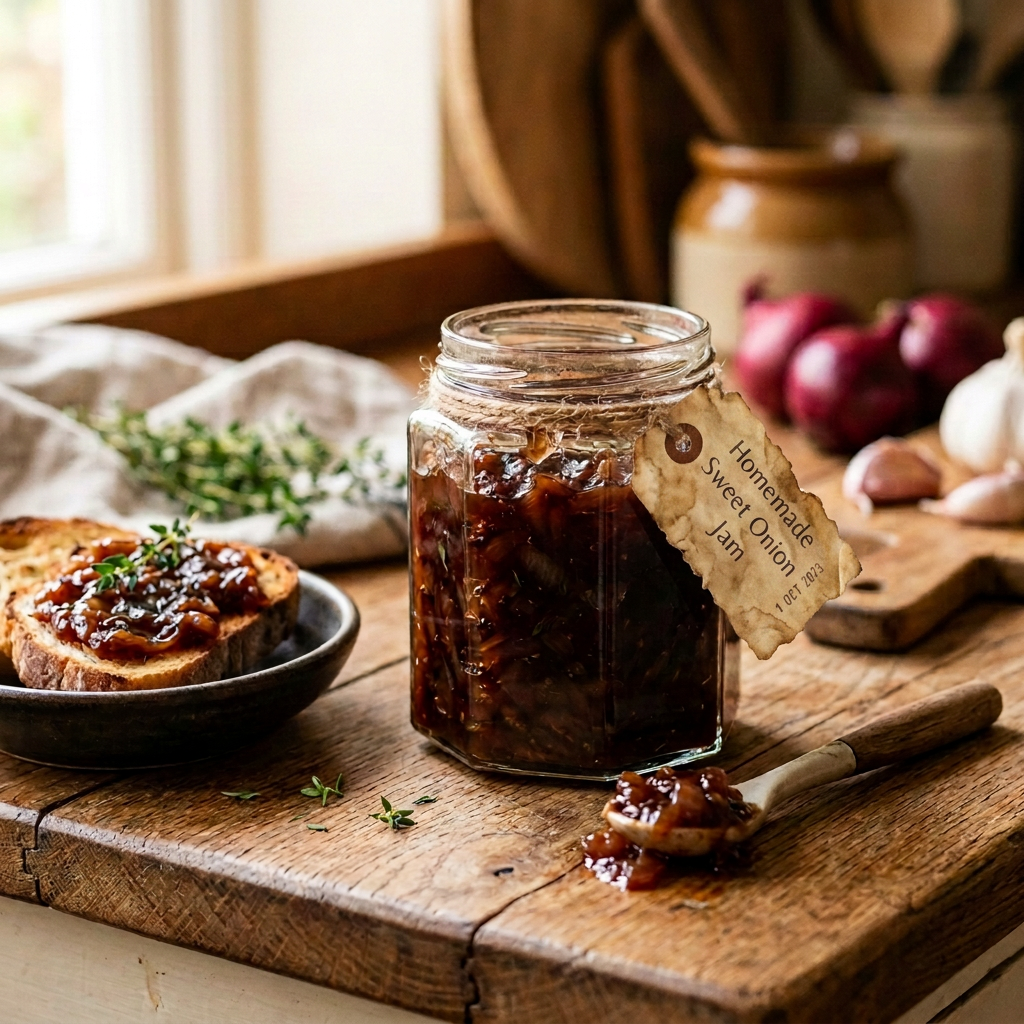
Onion Jam is a slow-cooked preserve that transforms humble onions into a rich, glossy condiment with remarkable depth. As the onions gently soften and caramelize, their natural sweetness intensifies, balanced by savory notes and a subtle touch of acidity. The result is tender, spreadable, and complex, with layers of buttery richness, mellow allium flavor, and a lingering finish on the palate. Spoon it onto a cheeseboard, tuck it into a grilled cheese sandwich, or serve it alongside roasted meats to add warmth and contrast. Sweet without being cloying and savory without becoming heavy, onion jam brings a polished, versatile character to both simple snacks and elaborate dishes.
Ingredients
2 tablespoons olive oil
3 large, sweet onions, cut into 1/4-inch dice
2 parsley sprigs
2 Fresh Thyme sprigs
1 fresh rosemary sprig
1 cup sugar
3/4 cup white balsamic vinegar
½ teaspoon of Kosher salt
Process
Heat the olive oil in a large pot over medium heat until it shimmers. Add the onions and cook over medium heat, stirring occasionally, until golden brown, about 15 minutes.
Tie the parsley, thyme, and rosemary with kitchen twine. Add the herb bundle to the diced onions. Cook over low heat, stirring a few times, until fragrant, about 3 minutes.
Sprinkle the sugar over the onions and cook, without stirring, until the sugar melts, for about 5 minutes.
Turn the heat to high and cook without stirring for about 6 minutes, until the caramel turns amber brown. Then reduce the heat to low.
Stir in the white balsamic vinegar. Simmer over low heat for about 5 minutes, stirring occasionally, until the jam thickens and the vinegar is absorbed. Remove the herb bundle. Season with salt and let the jam cool until warm.
Note: The caramelized onion jam can be refrigerated for up to five days. Serve warm or at room temperature.
4–5 fresh jalapeños, seeded and finely diced (leave seeds in 1–2 for extra heat)
2 cloves garlic, minced
1 teaspoon cumin
1 teaspoon smoked paprika
½ teaspoon kosher salt
¼ teaspoon cayenne pepper
For the Crispy Panko Topping:
1 cup panko breadcrumbs
3 tablespoons unsalted butter, melted
¼ cup freshly grated Parmesan
½ teaspoon garlic powder
¼ teaspoon smoked paprika
Pinch of kosher salt
Process
Preheat the oven to 375°F. Lightly grease a 9×13-inch baking dish or a 2-quart casserole dish with cooking spray.
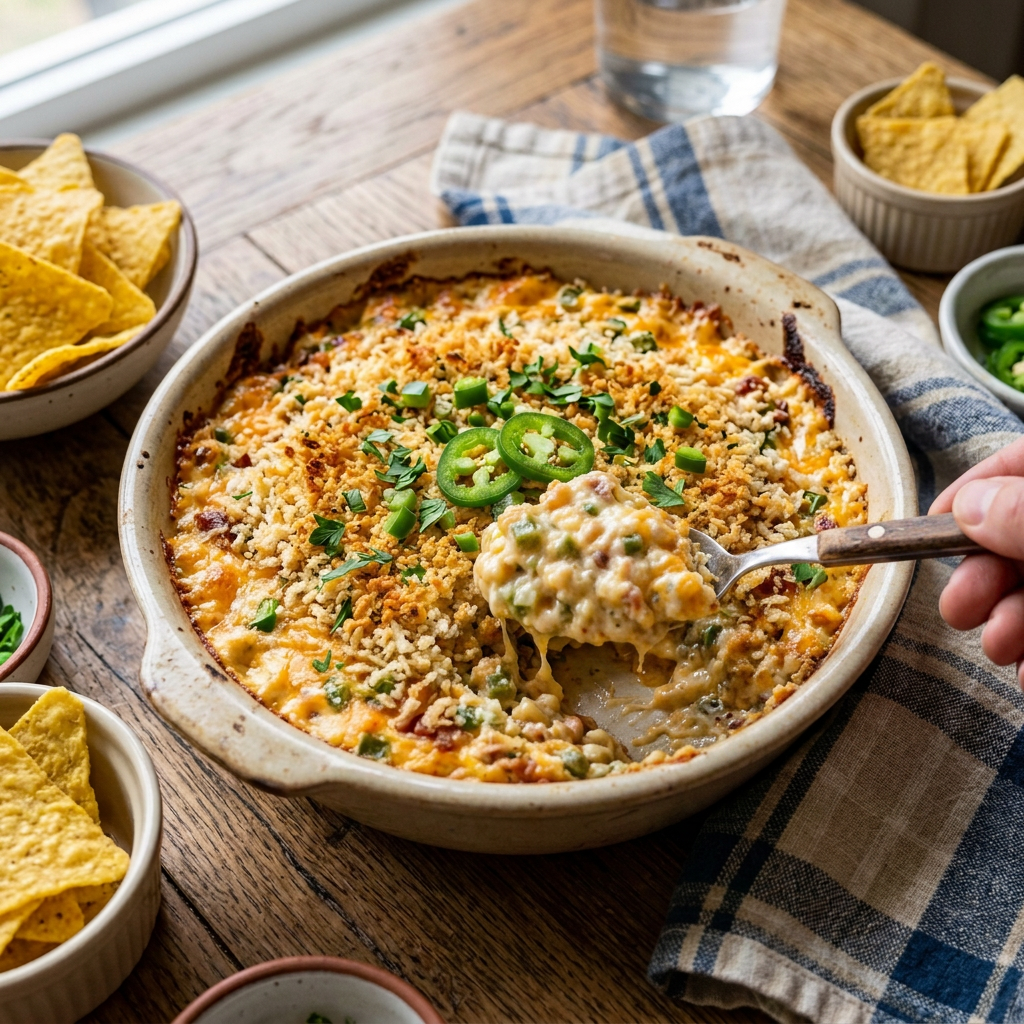
In a large mixing bowl, beat the cream cheese with a hand mixer until smooth. Add the sour cream and mayonnaise and mix until fully combined. Fold in 1½ cups of the cheddar (reserving ½ cup for topping), the Monterey Jack, diced green chiles, fresh jalapeños, garlic, cumin, smoked paprika, salt, and cayenne. Stir until evenly mixed.
Spread the mixture into the prepared baking dish in an even layer. Scatter the reserved ½ cup of cheddar evenly over the top.
In a small bowl, combine the panko, melted butter, Parmesan, garlic powder, smoked paprika, and salt. Toss with a fork until the panko is evenly coated and clumping slightly. Sprinkle the panko mixture evenly over the top of the dip.
Bake for 25–30 minutes, until the dip is hot and bubbling at the edges and the panko topping is deep golden brown and crispy. If the topping browns before the dip is bubbling, tent loosely with foil for the last few minutes.
Remove from the oven and let cool for 5 minutes before serving — it will be extremely hot. Garnish with sliced fresh jalapeño and fresh cilantro or scallions. Set out alongside tortilla chips, crackers, and any other dippers.
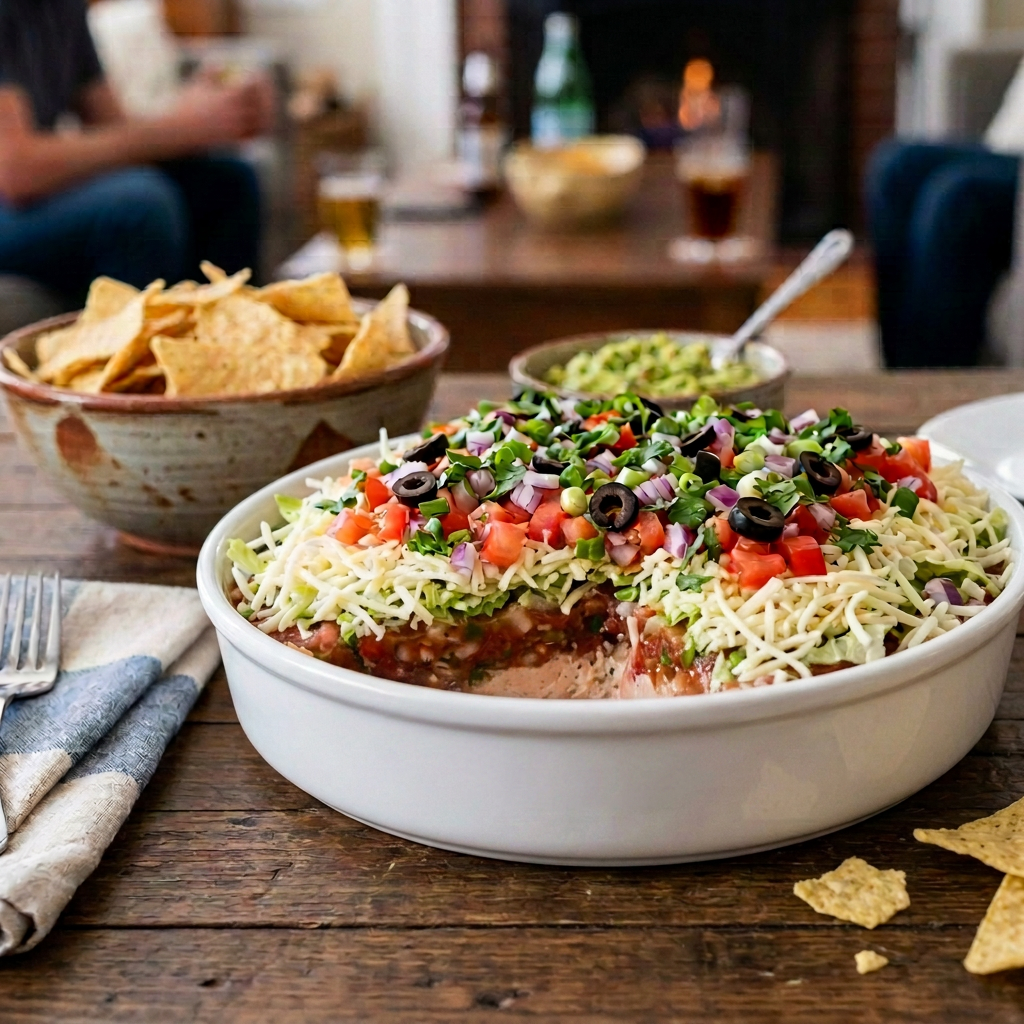
Some recipes are timeless, especially when it comes to party snacks. One popular choice is the Easy Layered Salsa Dip, a guaranteed crowd-pleaser. This dip was very popular in the 1980s and combines cream cheese, Picante Chunky Sauce, and toppings like cheese, lettuce, onions, tomatoes, chili peppers, and black olives. It has been a staple at family gatherings since the ’80s and is the kind of dip that makes people hover around the kitchen island until it’s gone. Get ready to watch it disappear!
Ingredients
1 jar of Picante Chunky Sauce
1 (8-oz) cream cheese
1 (4-oz) can chopped mild chunky Chile peppers (no seeds)
1 8-oz bag shredded Iceberg lettuce
1-1/2 cups chopped fresh tomatoes or sliced cherry tomatoes
1 can of sliced black olives
2 cups of fancy shredded cheddar or mozzarella cheese
Process
Mix Picante sauce, cream cheese, and the can of mild Chile peppers until pink. Don’t overmix; it’s okay to have some white streaks of cream cheese.
Spread in a shallow pie dish or quiche dish.
Spread the cream cheese mixture, then add a layer of shredded lettuce, chopped tomatoes, black olives, and finish with shredded cheddar or mozzarella.
The serving options are many. Tortilla chips are traditional, but I also like to offer bell pepper chunks and cucumber slices for a lighter snack. No matter how you prepare it, after over 40 years in my family, it is always the first to go at family gatherings
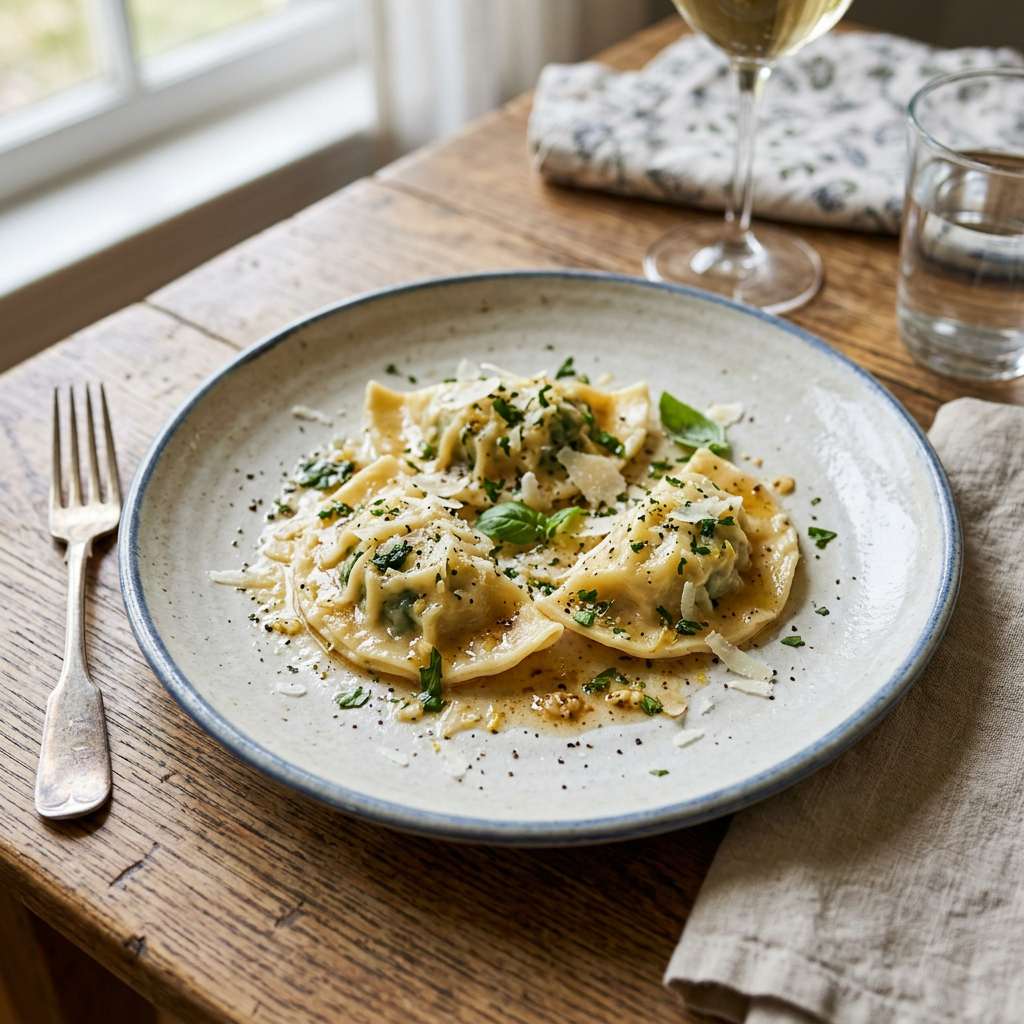
A plate of homemade spinach ravioli garnished with herbs and cheese
Serve these raviolis gently tossed in browned butter with fresh sage for a simple, aromatic finish, or dress them in a light tomato-basil sauce for a brighter, heartier option. They also pair well with a delicate cream sauce infused with white wine and lemon zest for an elegant touch. Finished with a dusting of grated Parmesan and a drizzle of high-quality olive oil, Three Cheese Spinach Wonton Raviolis make an inviting appetizer, a comforting main course, or an impressive dish for entertaining.
Ingredients
½ cup squeezed, chopped, cooked fresh or frozen spinach
½ cup coarsely grated mozzarella
½ cup ricotta (whole milk or low fat)
½ cup freshly grated Parmigiano-Reggiano plus extra for sprinkling
¼ teaspoon freshly grated nutmeg
Kosher salt and freshly ground black pepper to taste
32 square wonton wrappers
Shredded basil for garnish
Browned Butter and Sage Sauce
Directions
In a large bowl, combine the spinach, mozzarella, ricotta, ½ cup Parmesan, nutmeg, and salt and pepper to taste.
Moisten the edges of one wonton at a time with water (or egg wash), keeping the remaining wontons covered.
Put a level teaspoon of the filling in the center of each wrapper, then place another wonton on top.
After folding, use your fingers or a fork to crimp the edges tightly. This not only seals the wonton but also gives it a professional look. See Note below for crimping methods.
As they are filled, transfer the ravioli to a flour-dusted sheet pan. Repeat with the remaining wonton wrappers and filling.
Cook the ravioli in boiling water over medium-low heat for 3–5 minutes, until just tender. While it cooks, warm the sauce. To serve, place ravioli in four shallow bowls, spoon sauce over each portion, and sprinkle with cheese. Top with shredded basil.
BROWNED BUTTER AND FRESH SAGE SAUCE
Ingredients
½ cup of butter
10 to 15 Fresh Sage Leaves, chopped
2 cloves of Garlic, minced
Salt and Pepper to taste
Process
In a medium saucepan, melt the butter over medium-low heat. Stir occasionally to ensure even melting.
Add the minced garlic once the butter is melted. Cook for about 1 minute until fragrant, being careful not to let it burn.
Add the fresh sage leaves to the melted butter. Continue to cook, stirring occasionally, for about 2-4 minutes until the butter turns a light brown color and has a nutty aroma. The sage leaves should become crispy.
Add salt and pepper to taste.
Note: Choose a folding method Triangle-fold: Place filling in the center, fold diagonally to form a triangle, press out air pockets, then bring the two bottom corners together and overlap slightly.
Nurse’s cap fold: Fold in half to form a rectangle, then bring two corners together and overlap them.
Half-gold ingot fold: Fold one corner to the middle, then bring two corners together and overlap.
These folds naturally crimp the edges together with a fork, reducing the chance of leakage.
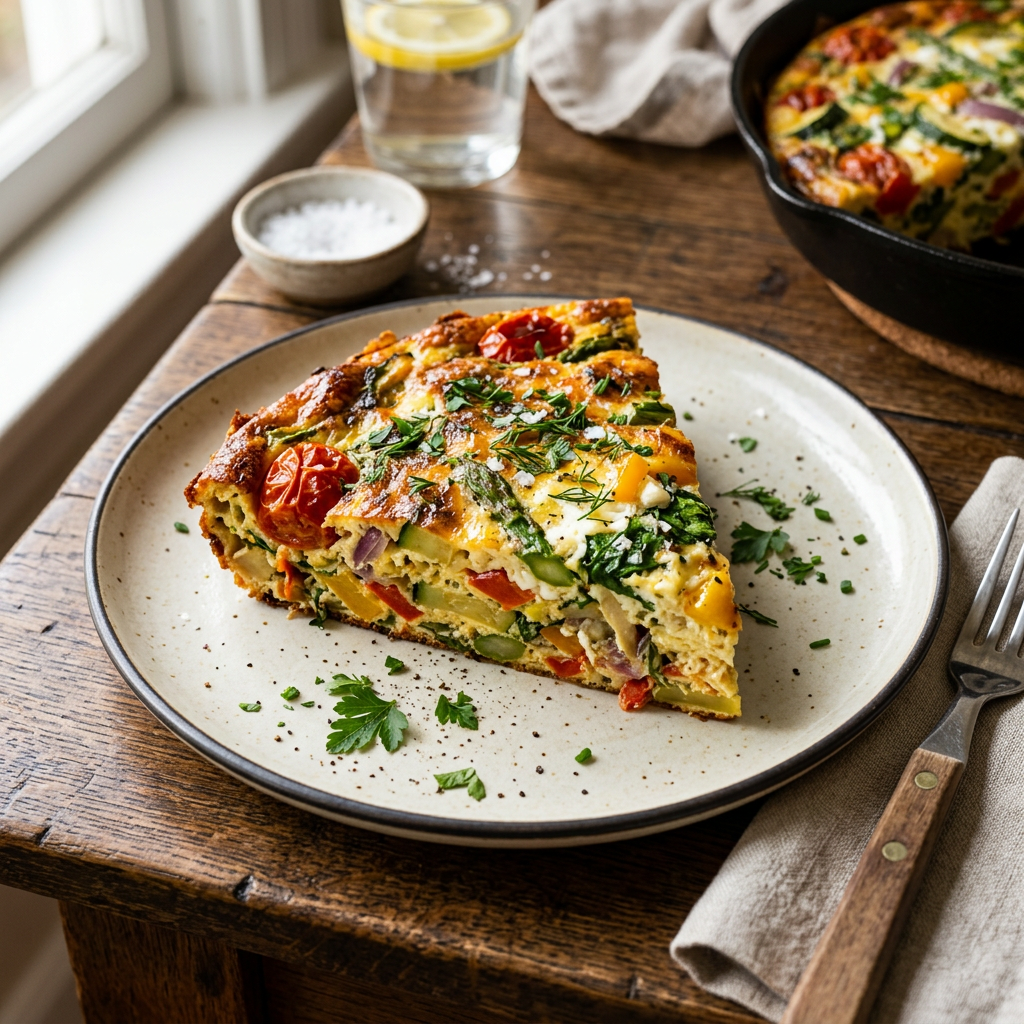
Eggs are a delightful culinary canvas any time of day—breakfast, lunch or dinner—and every part is edible, even the shell when ground for calcium. While shell color doesn’t change flavor, I’m lucky to know farmers whose hens lay blue, green, pink, brown and white eggs—Easter surprises all year. Those backyard eggs are incredibly fresh and, to me, taste like sunshine on a plate. Versatile and nutritious, eggs adapt to countless meals. Try a playful baked frittata: toss in your favorite vegetables, bits of cheese and a pinch of herbs to make a signature version. Serve a colorful tossed salad alongside a warm slice of frittata for a satisfying, balanced dinner.
Ingredients
7 Large Eggs
¼ cup of Whole Milk
1/3 cup of cheese (see NOTE below for choices)
Dash of salt
Dash of pepper
¼ cup of parsley, finely chopped
1 teaspoon of fresh thyme
Up to 1-½ cup of vegetables, (see NOTE below)
Process
Preheat oven to 350F.
Spray a deep pie plate, or a 11”x5” 7” oven proof dish
Beat all ingredients together
Mix egg mixture with your choice of vegetables and cheese
Bake in a preheated oven for 30 minutes or until a knife inserted in the middle comes out clean.
NOTE:Add-in Ingredients in ½ cup increments, up to 1-1/2 cups
Recommended Vegetables for Frittatas
Asparagus: Tender asparagus tips provide delicate, almost sweet notes while the slightly firmer stalks contribute a gentle snap. Roasting or sautéing the asparagus briefly before adding it to the pan concentrates its natural sugars and softens any fibrousness, producing a tender result without losing its color.
Spinach: A classic choice, spinach wilts down significantly and adds a rich green element. It is well paired with various cheeses and herbs.
Mushrooms: They add a savory depth of flavor and a nice texture. Sauté them before adding them to the egg mixture to enhance their taste.
Bell Peppers: Available in various colors, bell peppers add sweetness and crunch. They should be sautéed until tender before mixing with the eggs.
Zucchini: This vegetable adds moisture and a mild flavor. Sauté it to reduce excess water before adding it to the frittata.
Onions: They provide a strong flavor base. Caramelizing onions before adding them can enhance their sweetness and depth.
Broccoli: This hearty vegetable holds its shape well and adds a nice crunch. It should be steamed or sautéed until tender before use.
Tomatoes: Fresh or sun-dried tomatoes can add a burst of flavor. If using fresh tomatoes, pat them dry to avoid excess moisture in the frittata.
Popular Cheese Choices
Cheddar: A good choice is cheddar because it adds creamy, tangy flavor and melts well, making the frittata richer. Choose mild, medium, or sharp to suit your taste. Use block cheese instead of pre-shredded for better melting and texture. Mozzarella: Mozzarella has a mild taste and melts well, giving a creamy, stretchy texture. Fresh mozzarella contains more moisture and makes a frittata softer. Low-moisture mozzarella is drier and gives a firmer result. Feta: This crumbly, tangy cheese adds a Mediterranean flavor. It pairs well with spinach, tomatoes, and olives. Feta does not melt fully but adds a salty, textured contrast. Parmesan: A firm, nutty cheese that adds savory flavor. It does not melt smoothly like soft cheeses, but you can grate it into the eggs or sprinkle it on top for a tasty finish. Gruyère and Pecorino Romano: Gruyère has a mild, nutty, slightly sweet taste and melts smoothly, so it works well in vegetable or meat frittatas. Pecorino Romano is saltier and sharper, so use only a small amount in strong, meat-based frittatas.
Tips for Using Cheese in Frittatas
Grate or crumble your own cheese to ensure smooth melting and avoid additives found in pre-shredded cheese.
Combine cheeses for complex flavors, such as mozzarella with Parmesan or cheddar with Gruyère.
Moderate the amount to prevent a greasy or overly heavy frittata.
Pair with ingredients:
Vegetable frittata: mozzarella, Gruyère, Parmesan, or goat cheese
Meat frittata: cheddar, Pecorino Romano, or Gruyère
Mediterranean frittata: use feta, goat cheese, or mozzarella. Choose cheese based on the flavor and texture you want. Try different combinations to find a balanced taste.
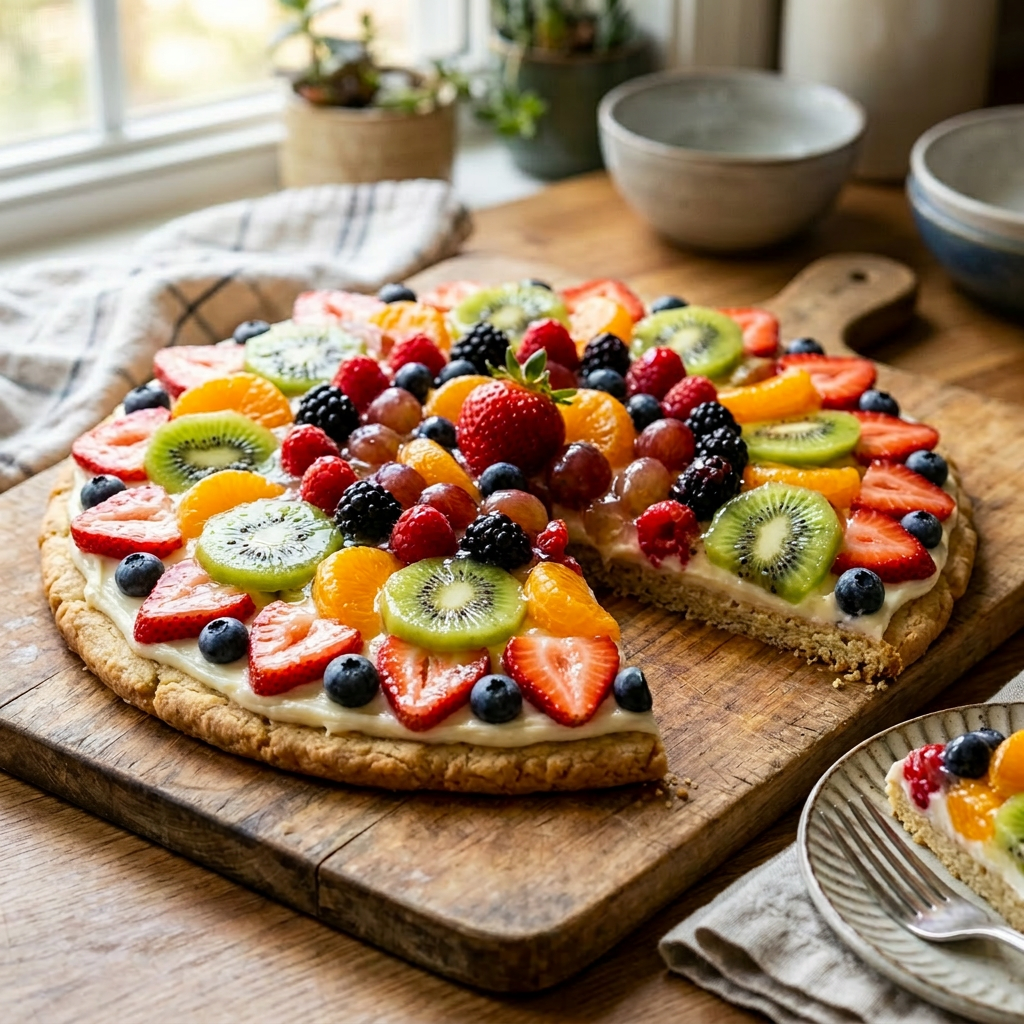
A vibrant fruit pizza topped with assorted fresh berries and kiwi on a wooden board
Perfect for summer get-togethers, this dazzling fruit pizza steals the show and won’t stress you out in the kitchen. Pick fruits that slice and bite easily—think juicy but not soggy—and choose varieties that stay bright instead of browning. Mix colors and shapes for a playful, eye-catching layout: berries, sliced peaches, kiwi, strawberries, bananas, mandarin segments and a dollop of passion fruit all work wonders. Gently press each piece into the cream cheese layer so it stays put while you admire your masterpiece. The mix of textures and flavors keeps every bite exciting, from the creamy base to the burst of fresh fruit. For the best crunch and visual pop, assemble the fruit pizza the same day you serve it. Invite friends, let everyone grab a slice, and watch the compliments roll in—this is one dessert that looks as fun as it tastes!
Ingredients
1 package (18oz) refrigerated sugar cookie dough
½ cup granulated sugar
1 egg
1 8-oz package of cream cheese
¼ cup of sour cream
1-1/2 teaspoons of pure vanilla extract
For Glaze
1 cup of clear fruit juice such as apple or white grape juice
¾ cup granulated sugar
2 ½ teaspoons cornstarch
1 teaspoon lemon juice
Process
Preheat oven to 350°F
Unroll the refrigerated sugar cookie dough.
Begin flattening out the dough onto a 12” pizza pan, or 9″ x 13″ baking pan with raised edges.
Work the dough until it is spread out to the outer edges of the pan.
Bake until lightly brown, about 12 – 15 minutes.
Remove from oven, allow it to cool completely
Filling
With an electric mixer, in a medium bowl combine sugar and egg, beat until sugar is dissolved.
Add cream cheese, sour cream and vanilla, beat until creamy. Add more sour cream if filling is too stiff to spread.
Spread filling on cookie crust.
Start in the center of the pizza and arrange the fruit outward in a circle or create any pattern you like.
Glaze
In a small saucepan over medium heat, add fruit juice, sugar, cornstarch, and lemon juice. Bring to a boil, then cook, stirring constantly, until glaze is thick (should stick to back of a spoon), about 5 to 7 minutes.
Remove saucepan from heat and allow glaze to cool while assembling fruit pizza.
Pour fruit juice glaze on top of fruit pizza, making sure to cover all of fruit
Refrigerate glazed fruit pizza for at least 1 hour before slicing.